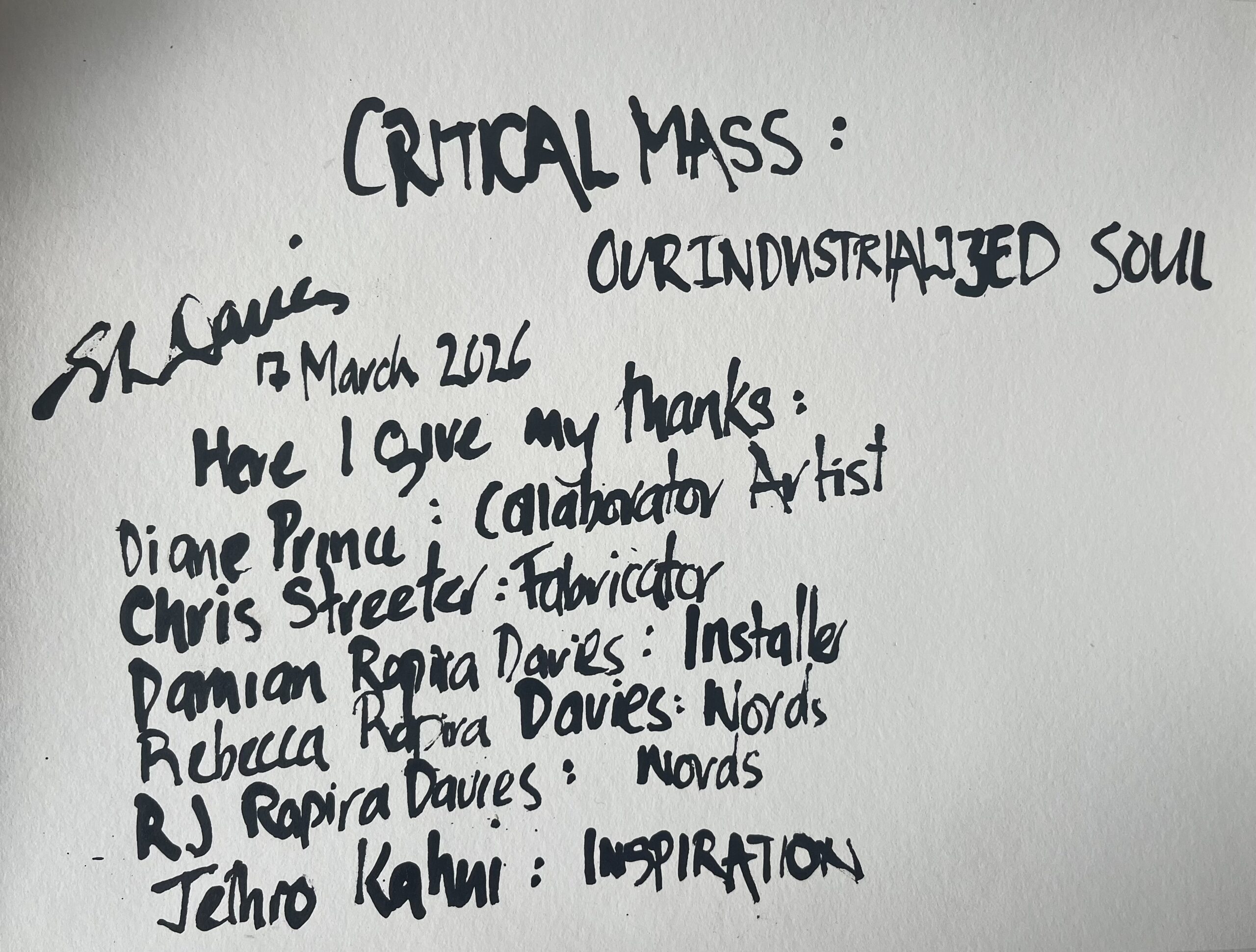
Shona Rapira Davies & Diane Prince | Native Bird Productions
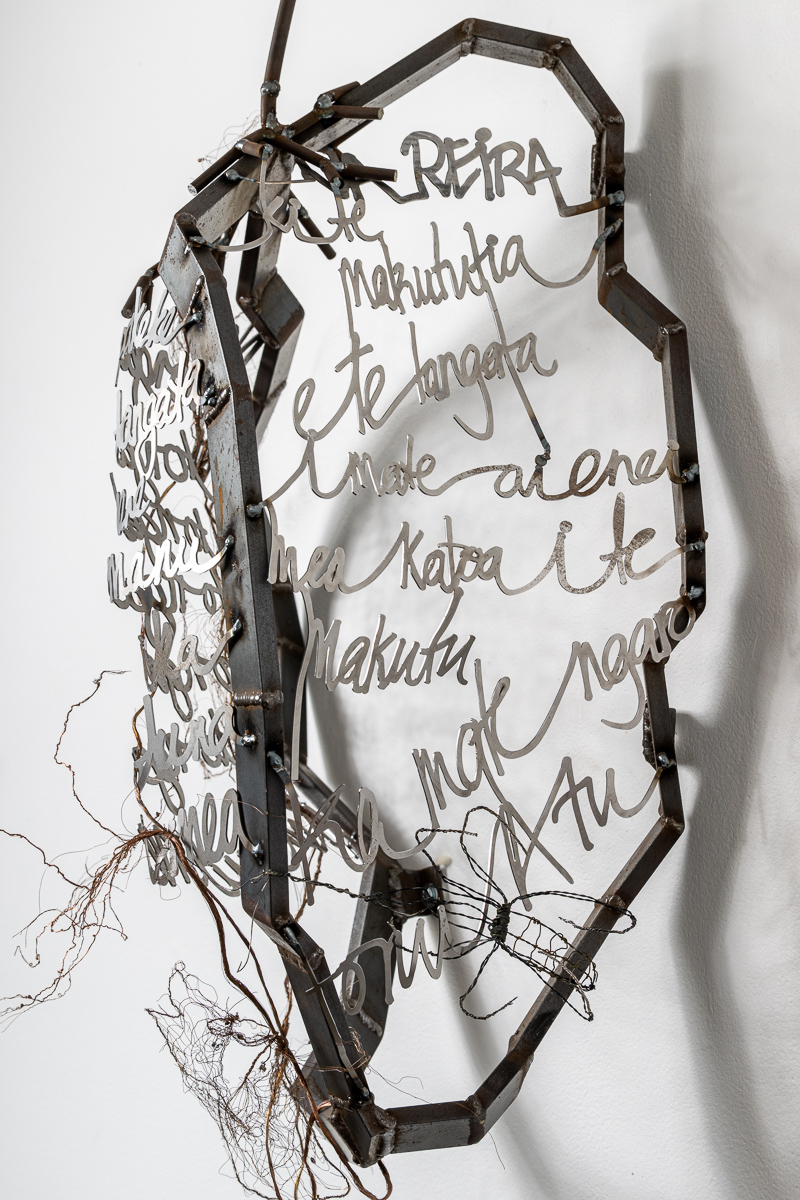
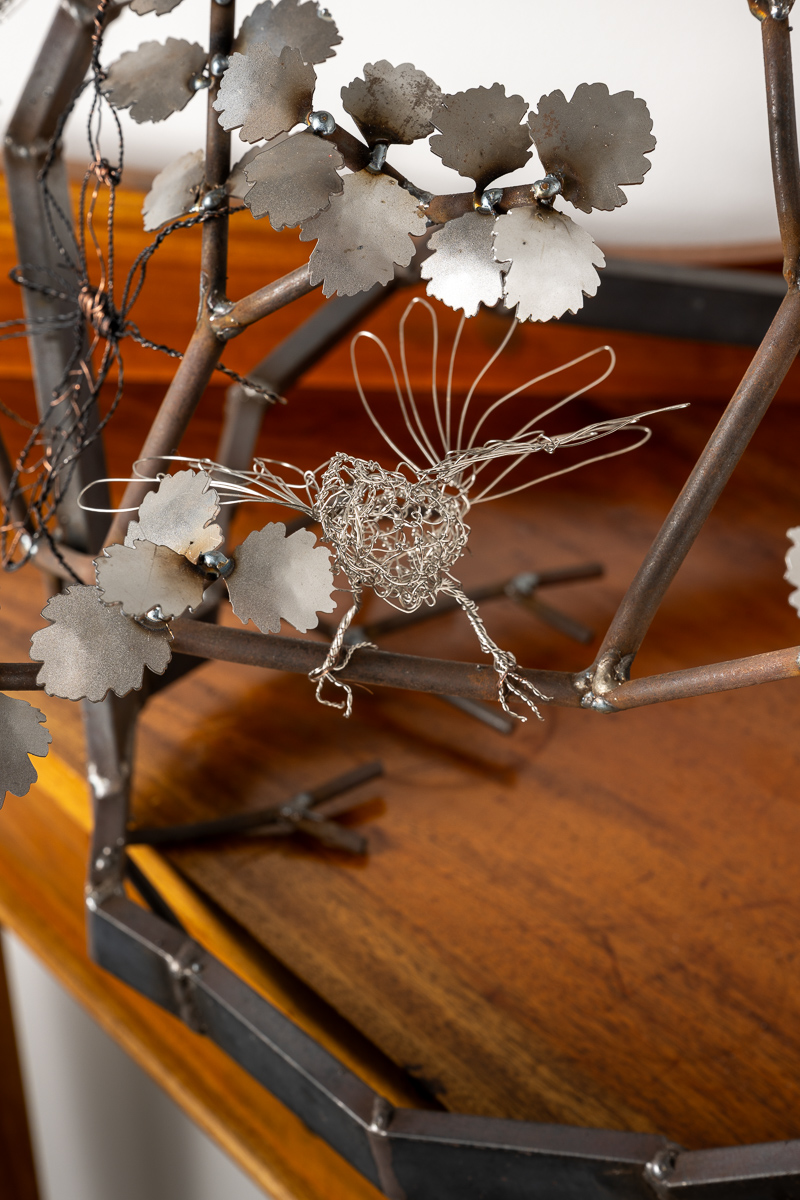
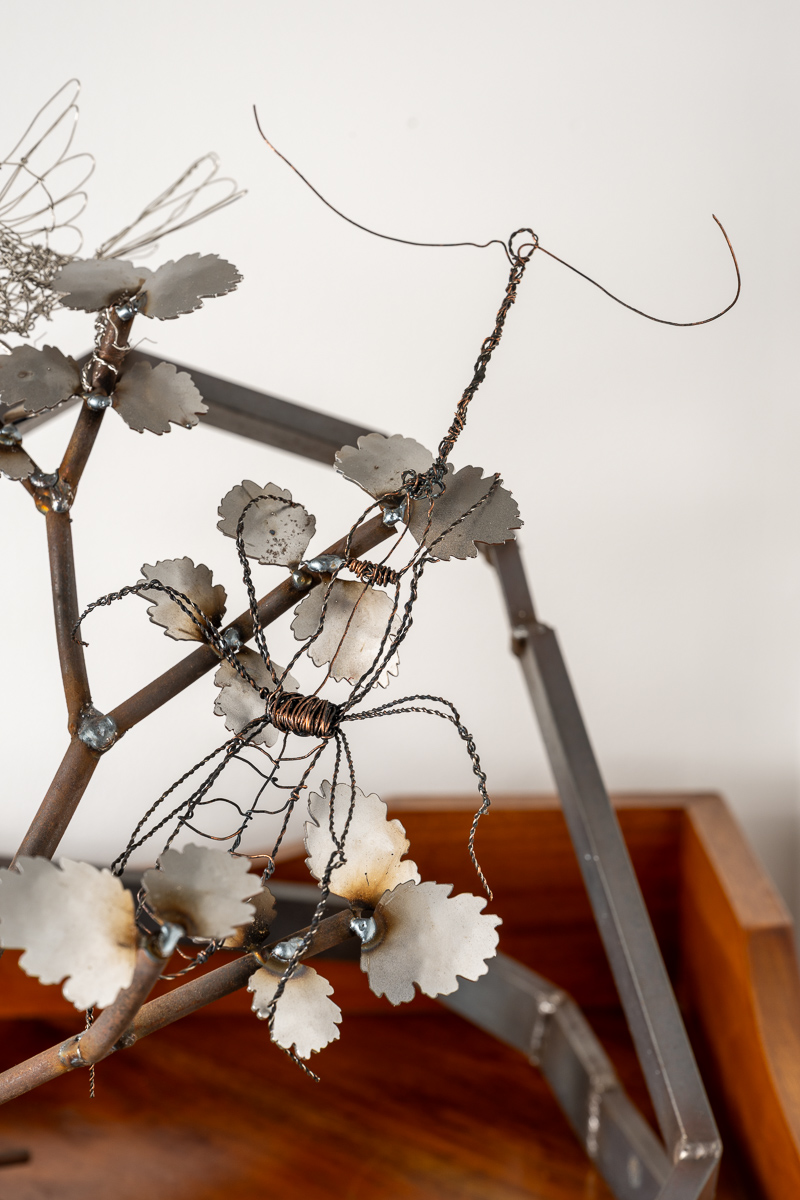
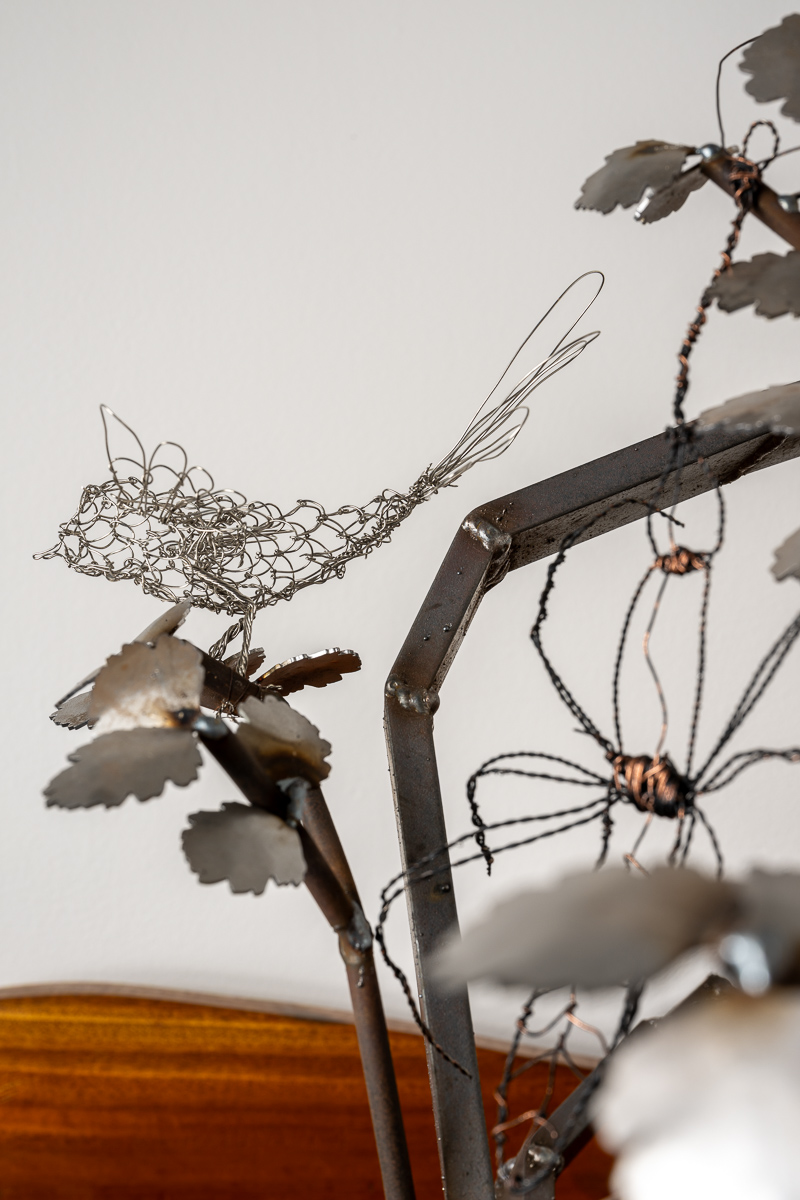
Critical Mass: Our Industrialised Soul
17 March – 11 April 2026
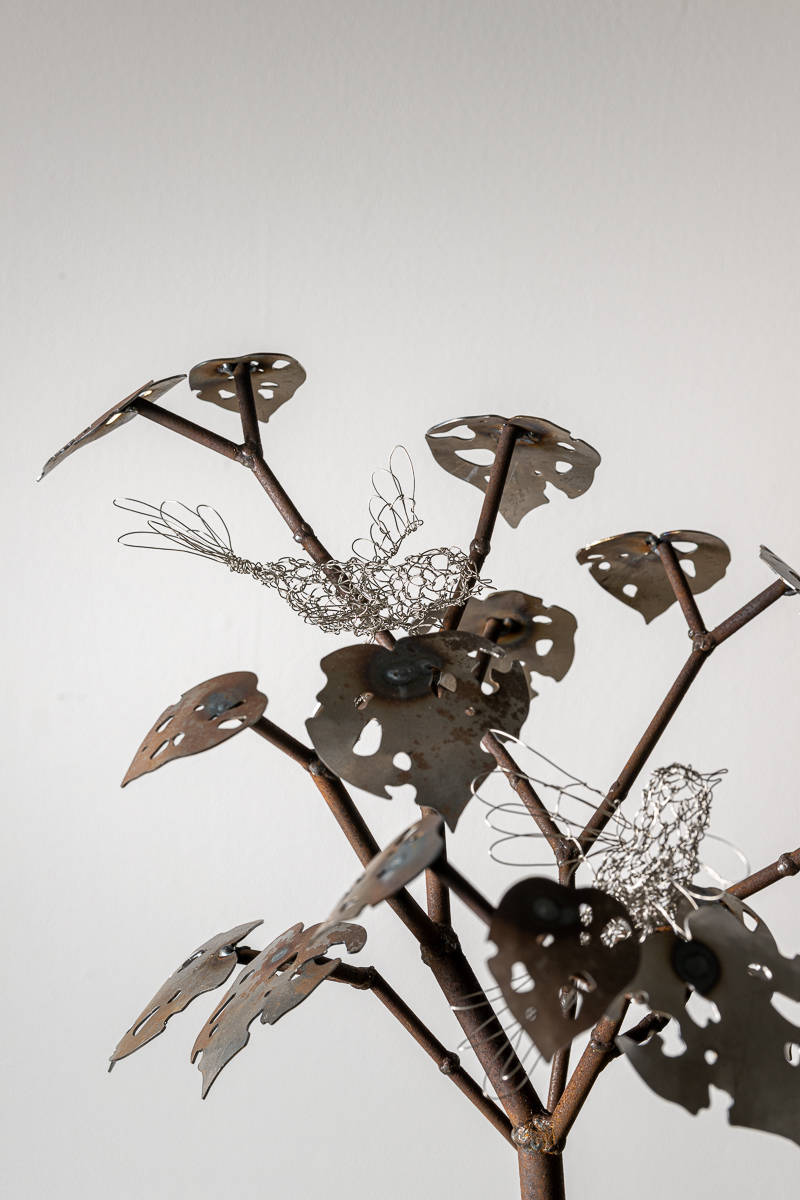
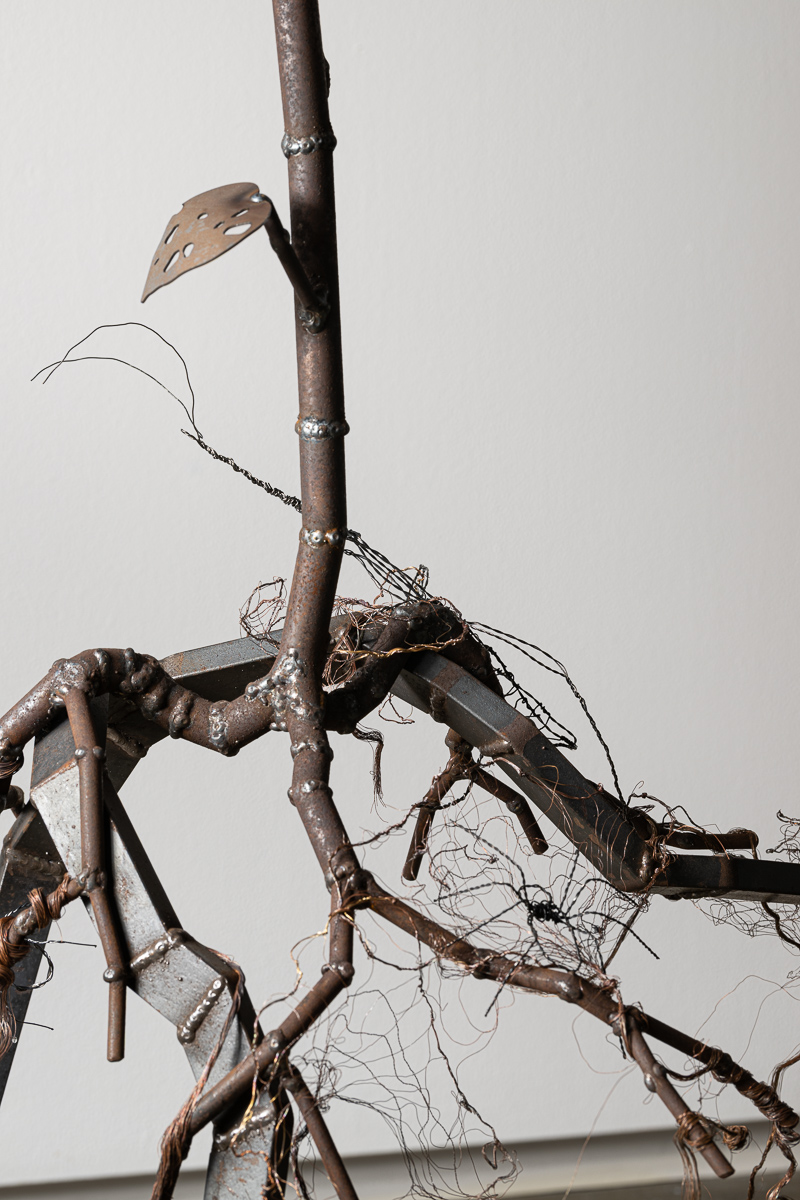
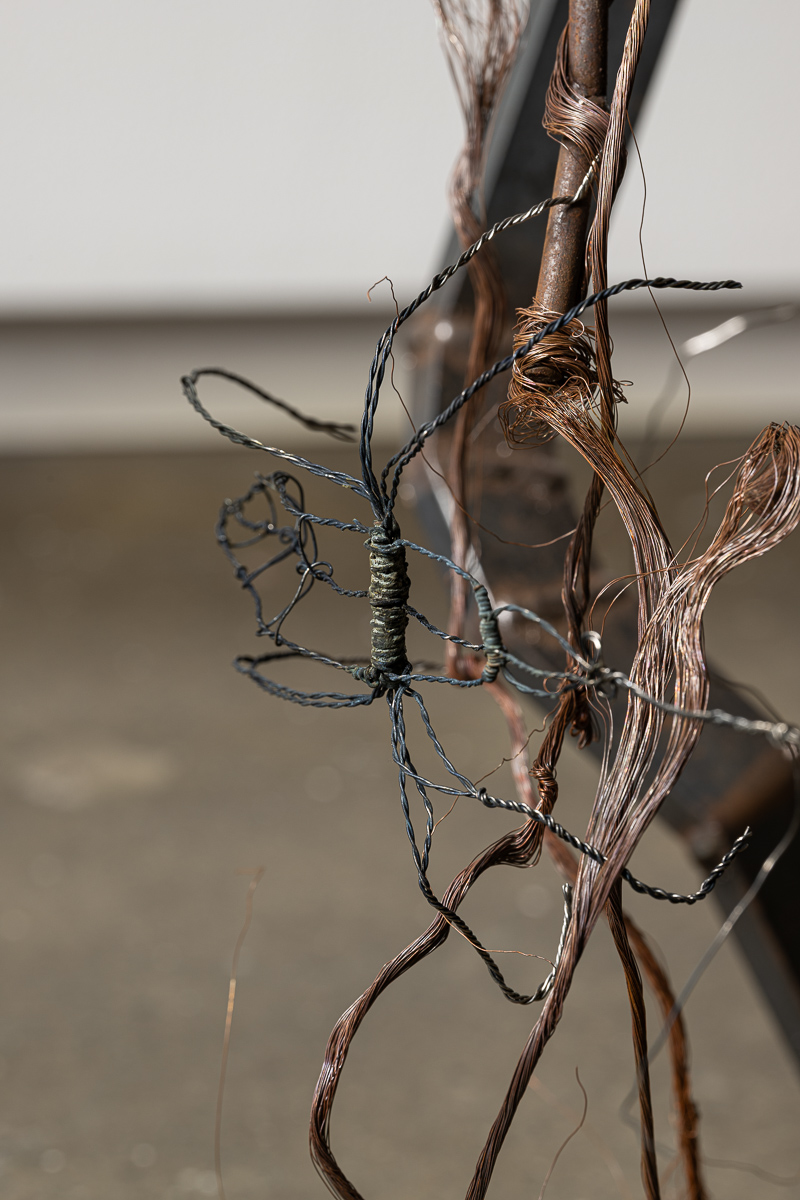
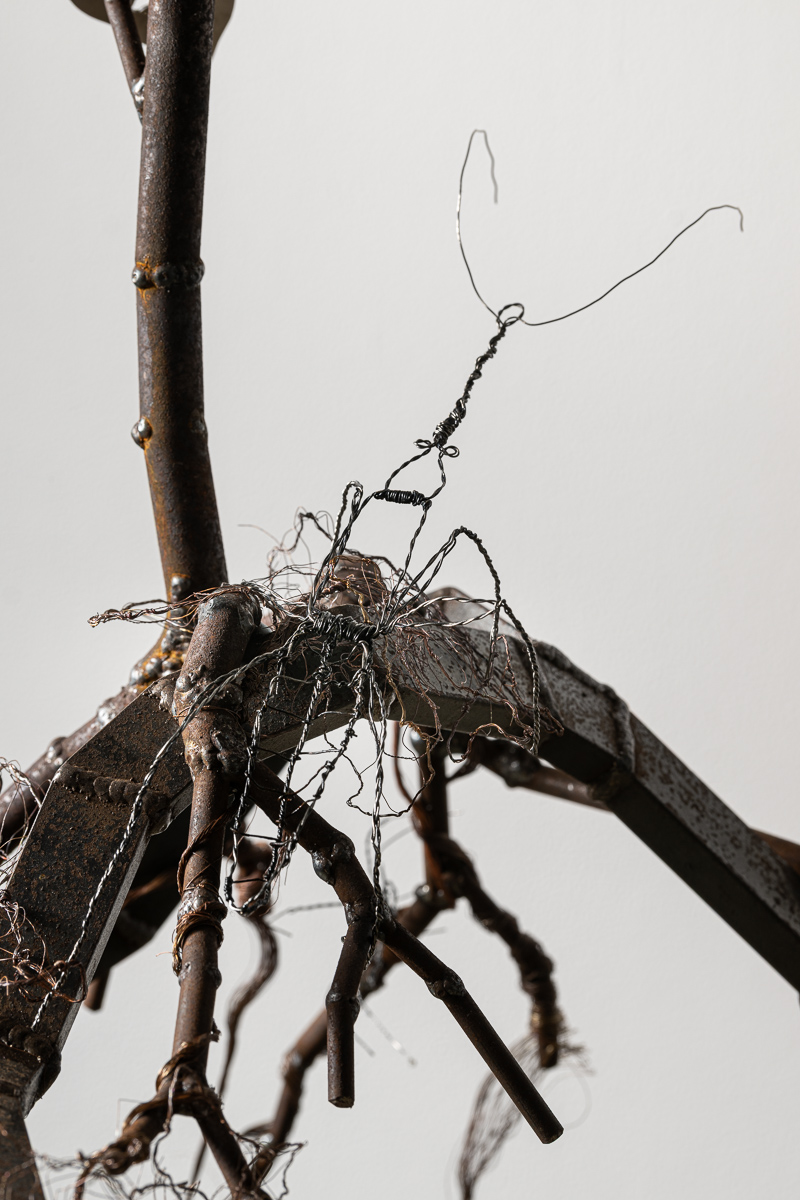
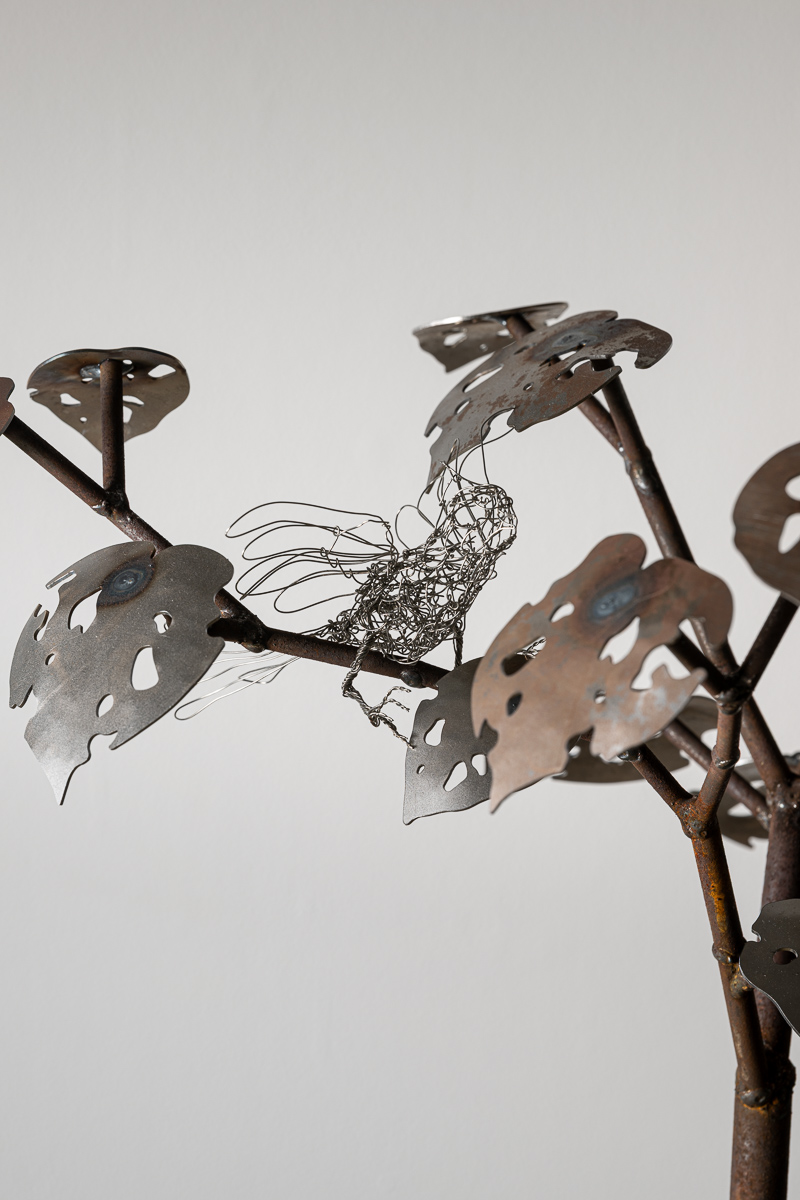
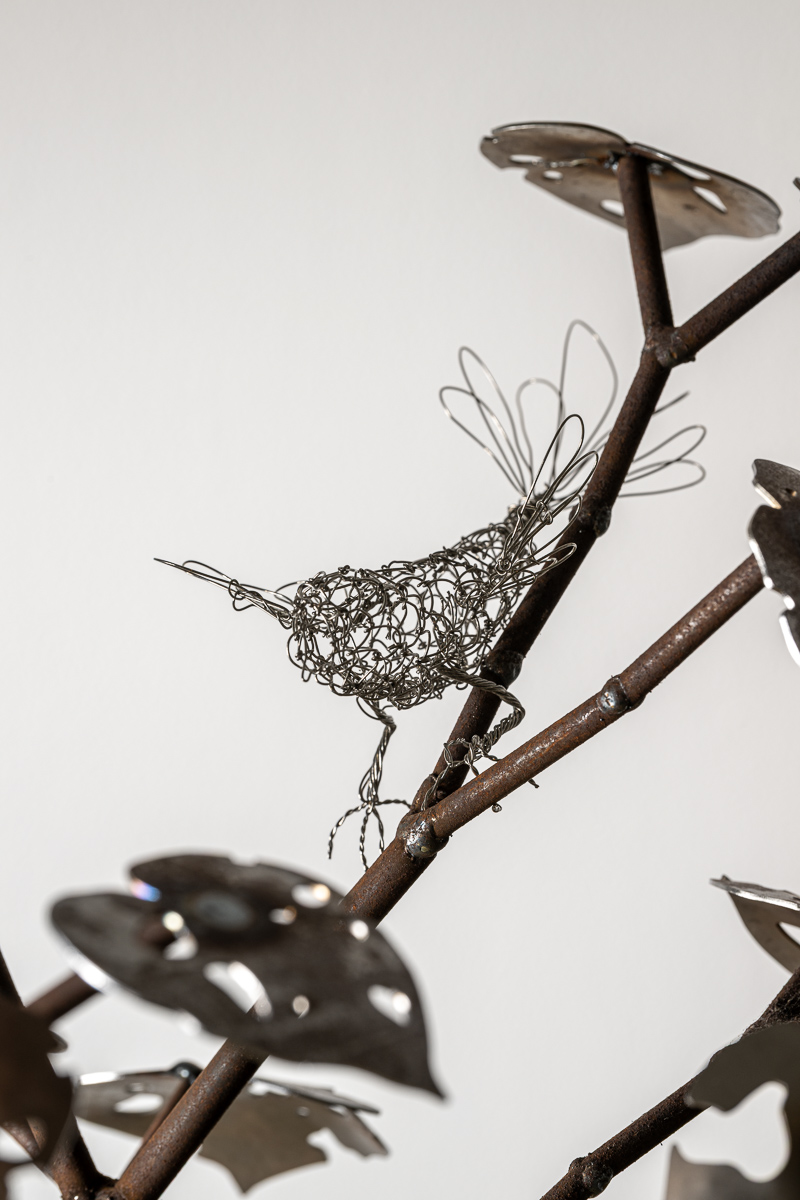
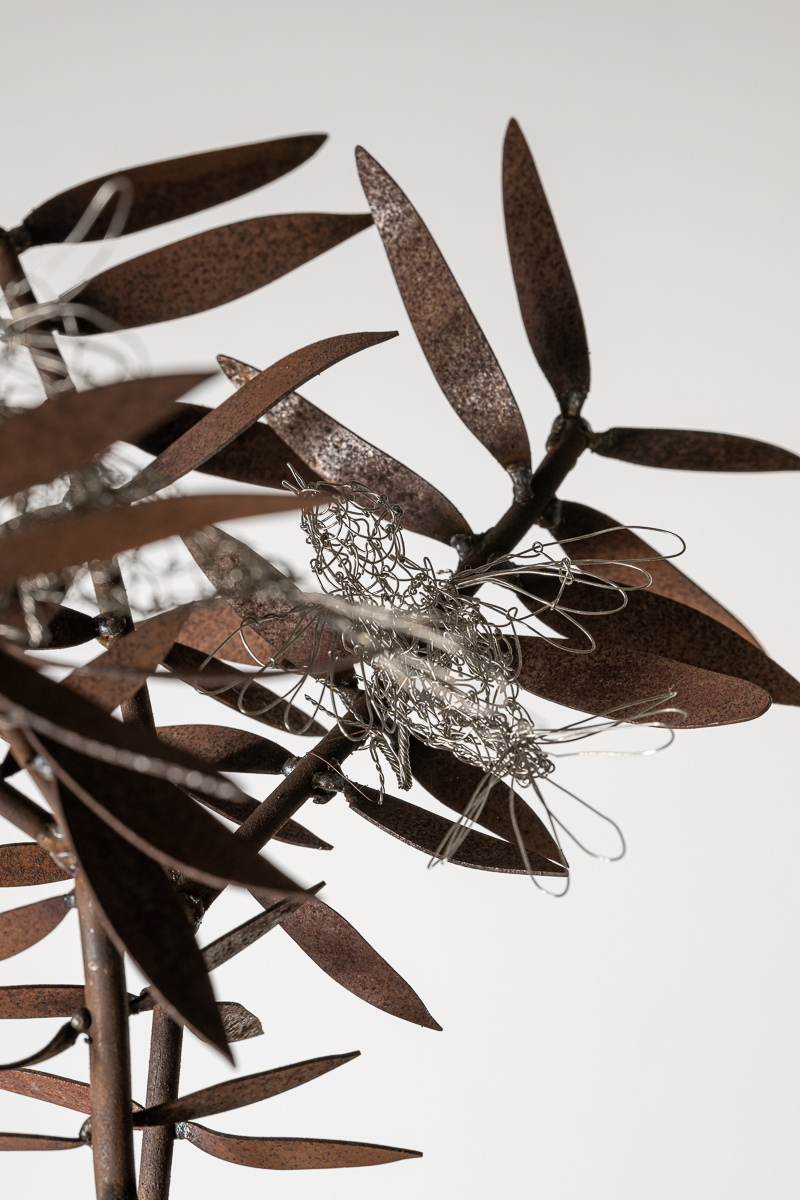
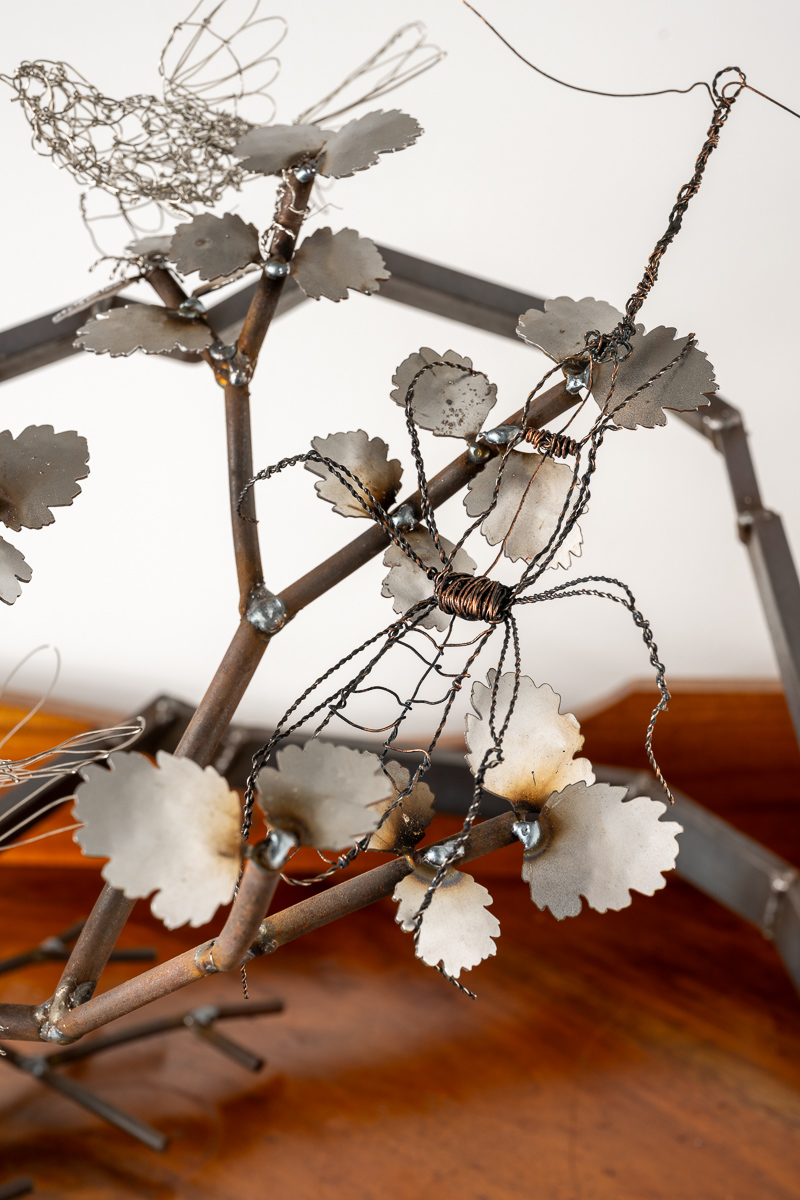
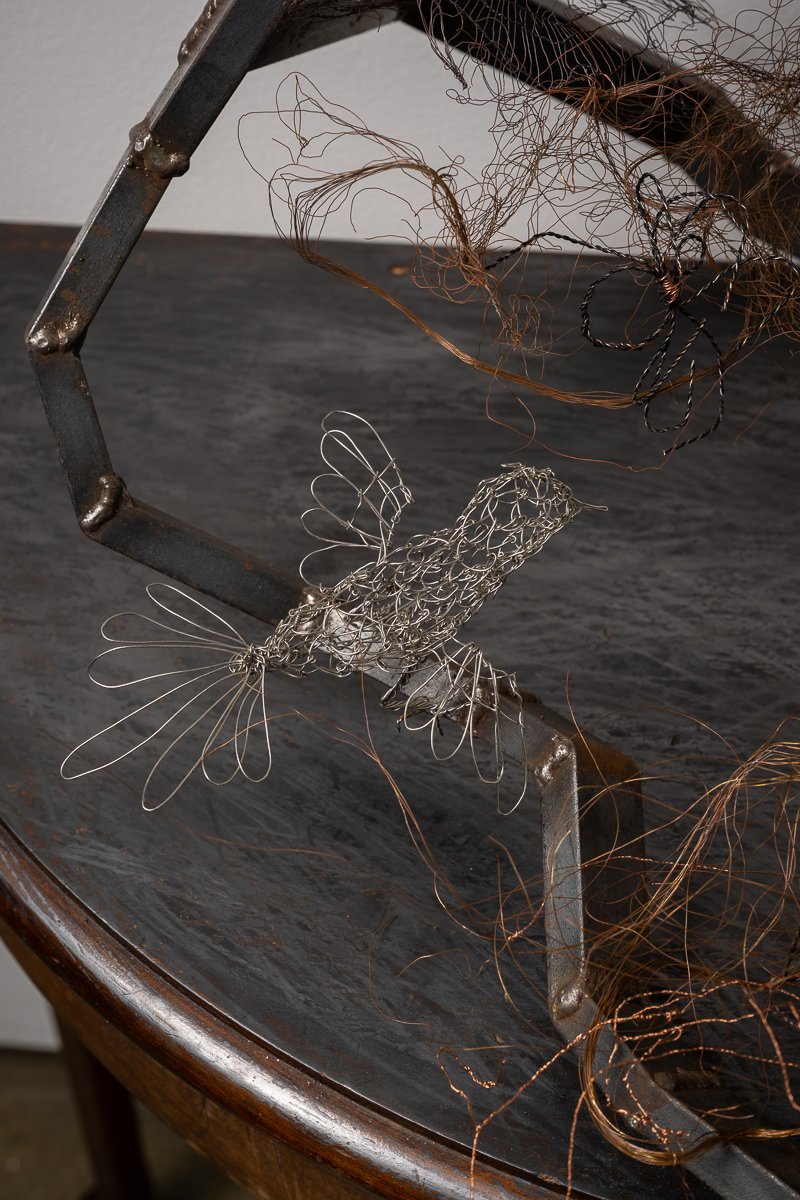
Time is a cycle to be honoured; it is not a resource to be “spent”
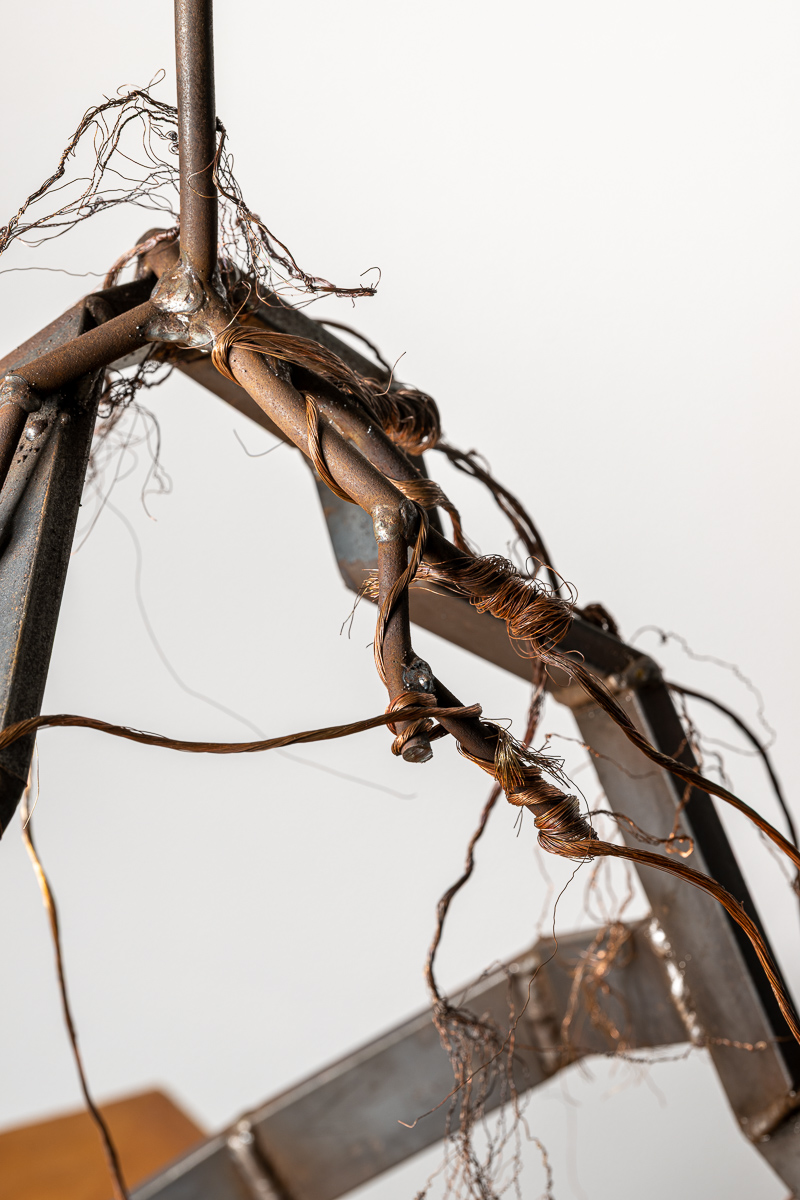
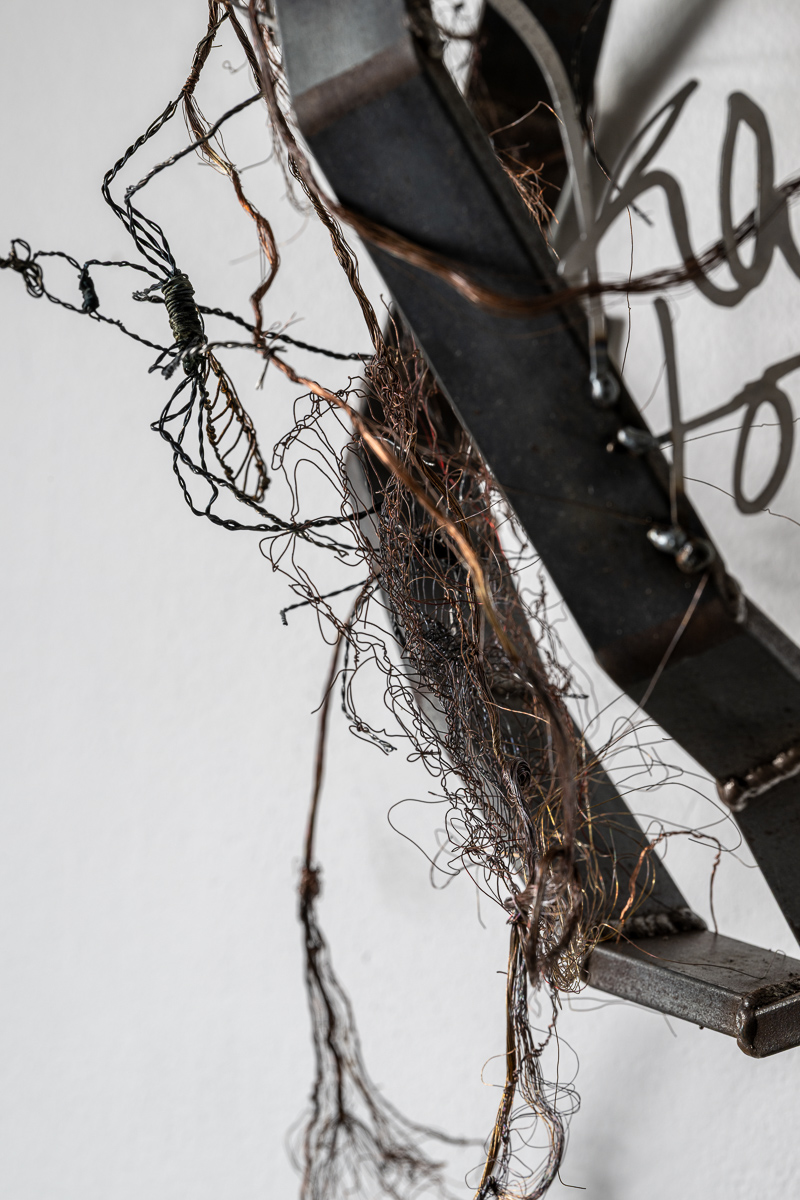
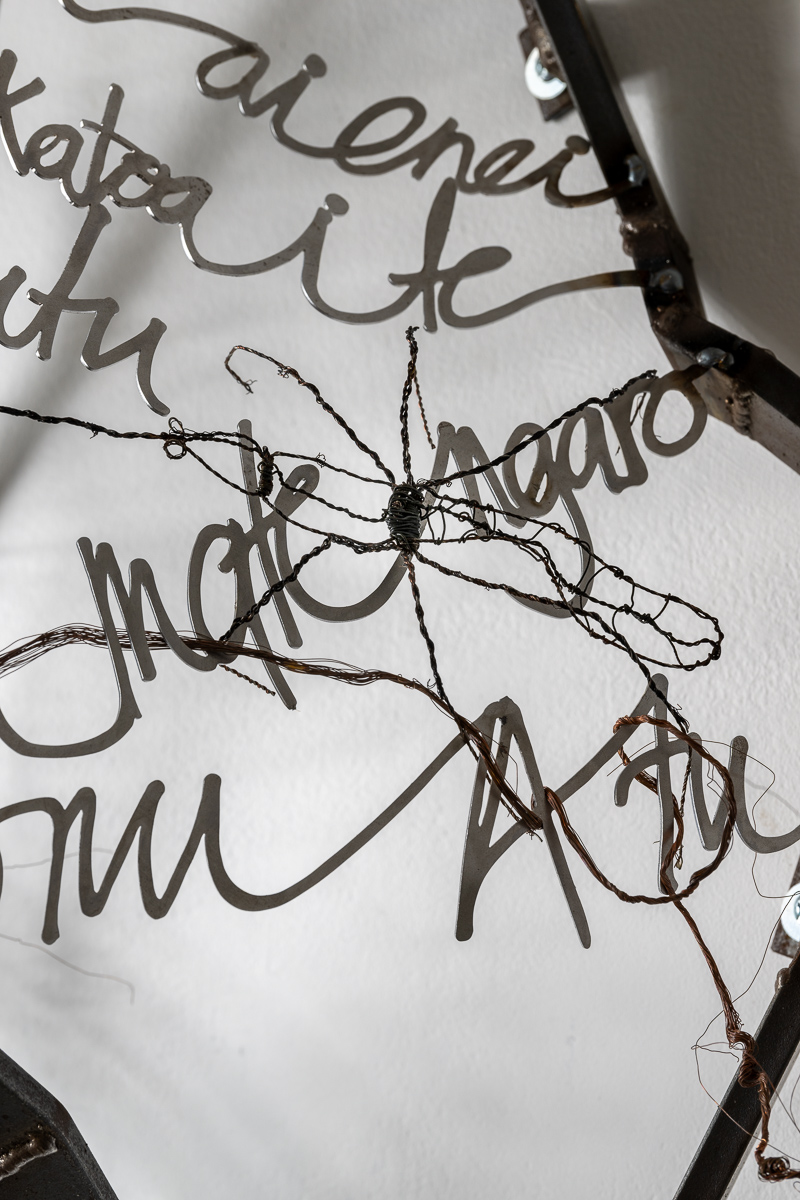
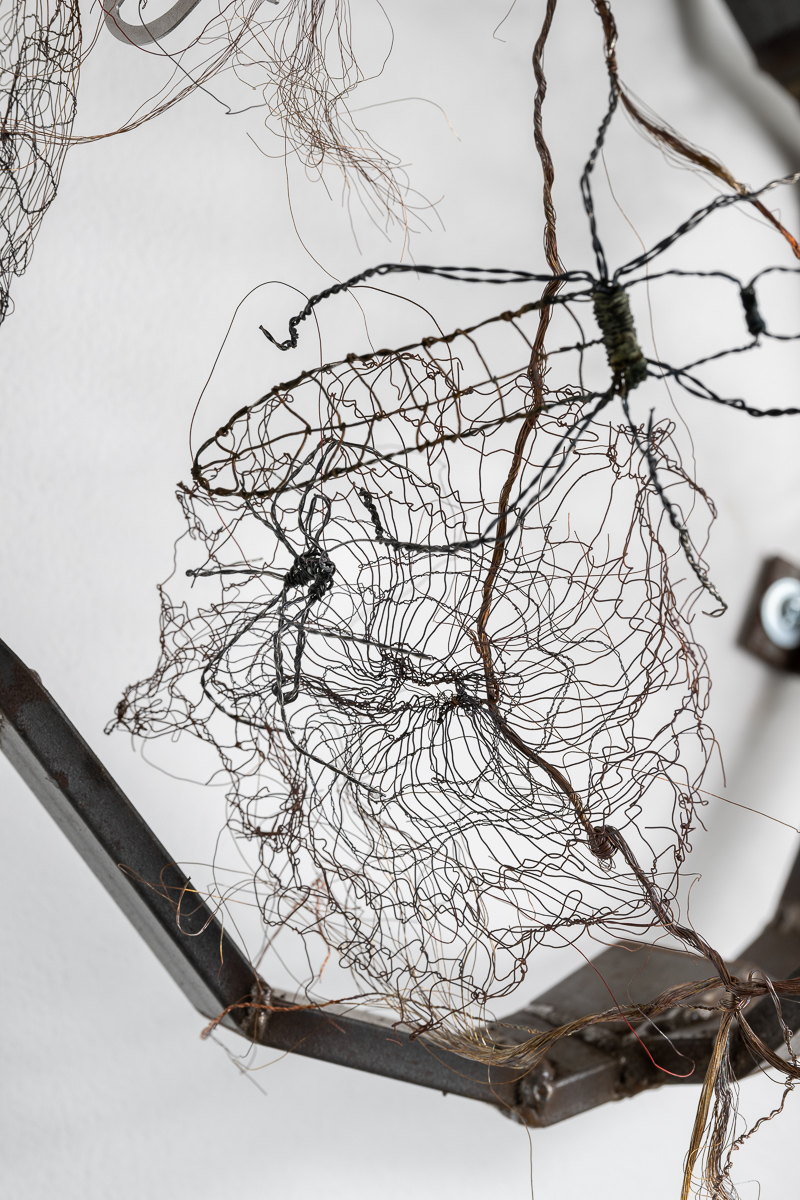
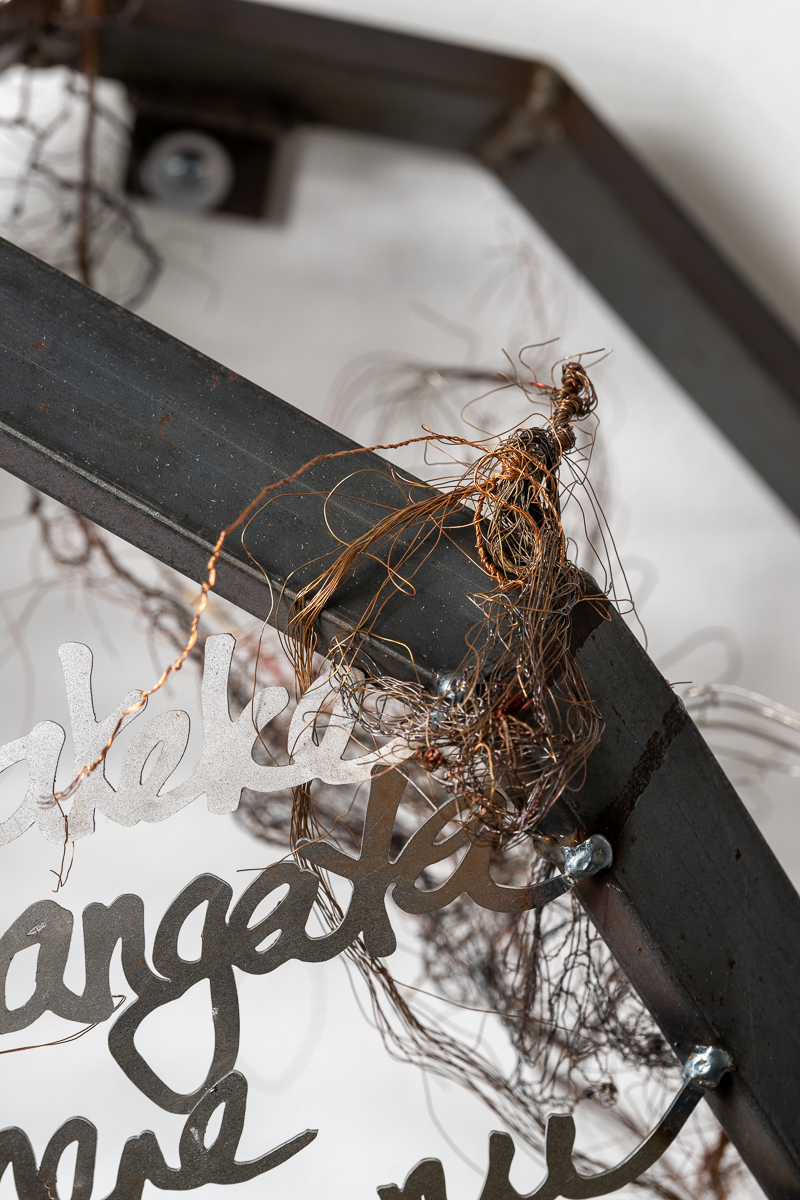
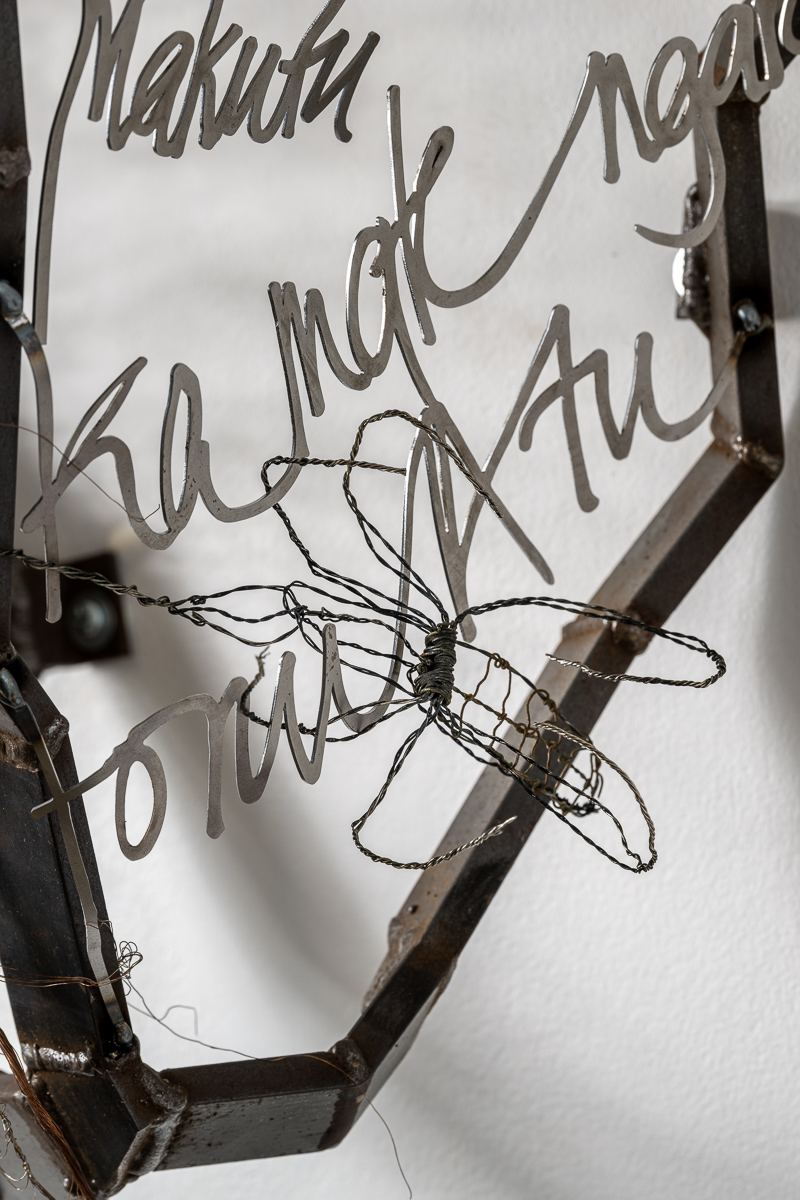
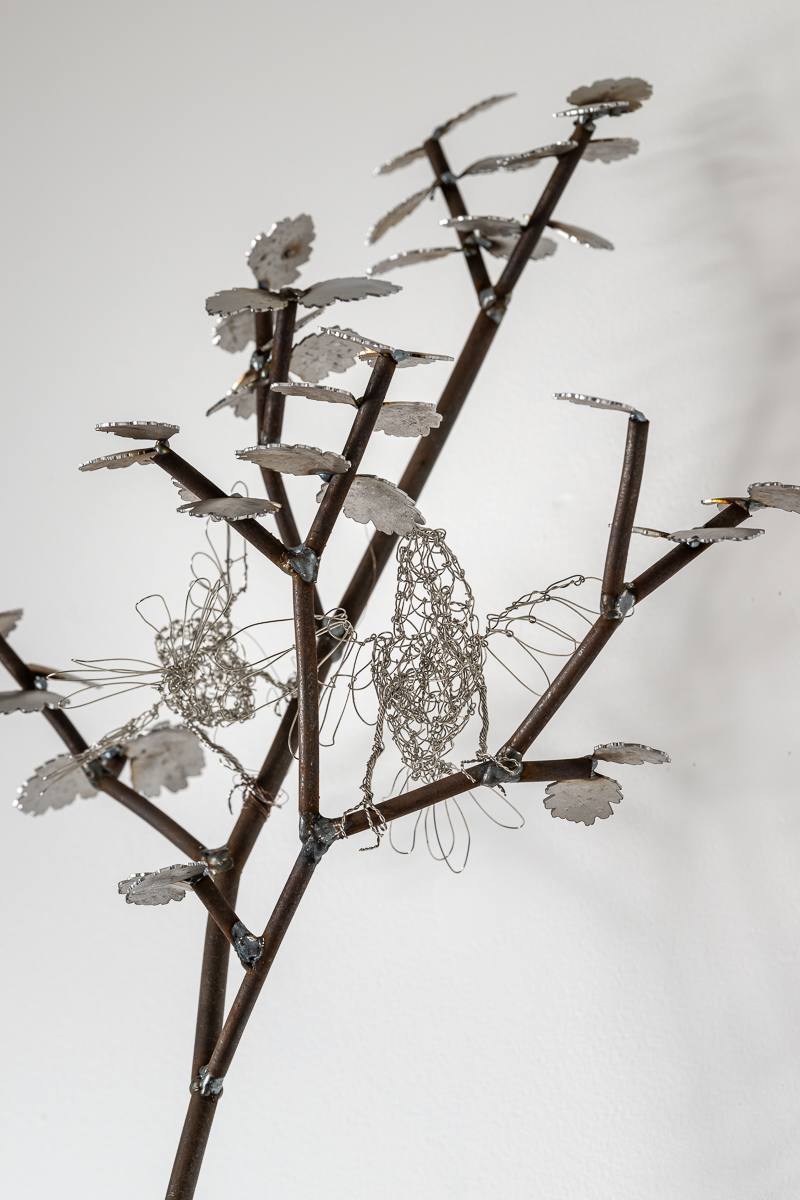
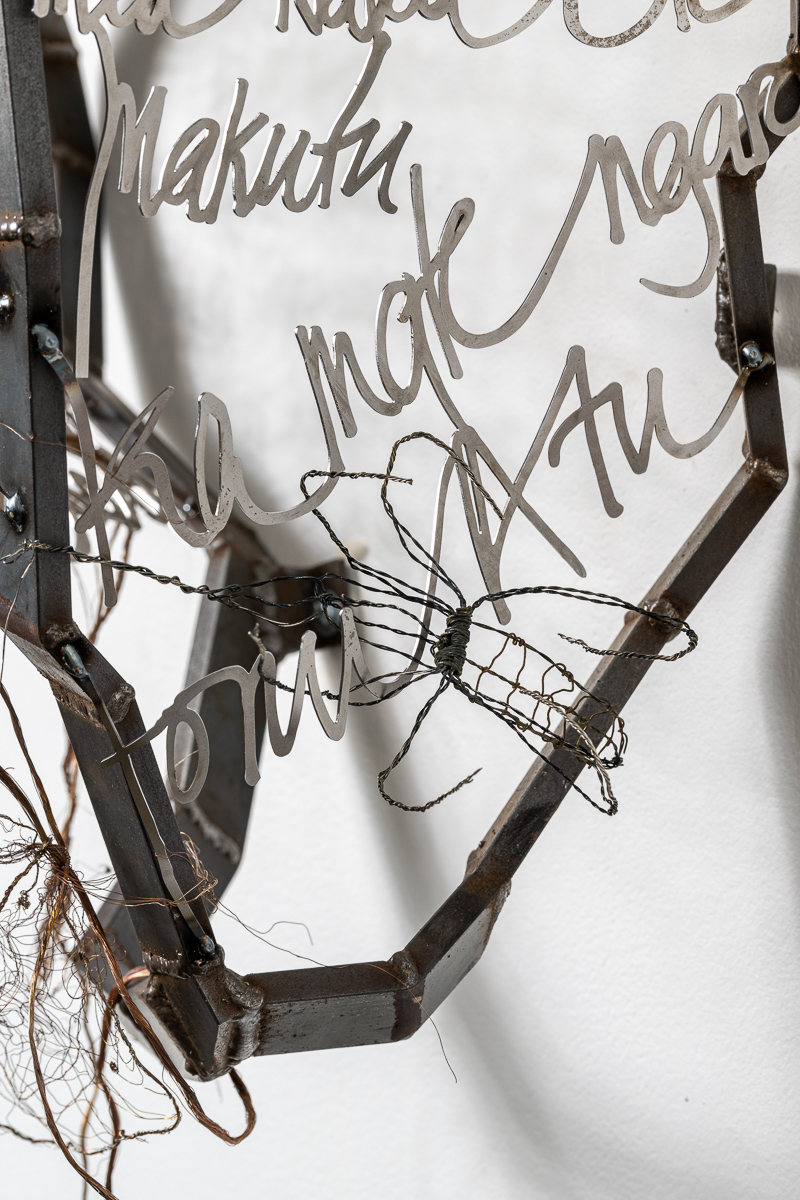
My mother is nearly 75 years old. An artist of over 45 years observing the number of insects and bird life that visit her at home, inside, outside, dead or alive. She is counting each insect as family members and knows that they are becoming fewer, smaller, quieter, dying, and witnessing their passing.
These observations are a series of signs, tohu, that her generation is tracking in real-time. The subtext in all of my mothers work is the impact of colonisation on our landscapes. The shift to industrial and manufacturing led ways of life is no longer simply about getting the sun to travel slower.
Mum’s being strategic, as always, because she knows that documenting this “Critical Mass” is the only way to show how modern life has disrupted the cycle of life that once sustained itself. The tohu of insects and birds that no longer thrive. The hardiest of insects like the cockroach and the fly are no longer populous. Mosquitoes breed in stagnant water, larger insects are fodder to larger mammals or cooked in their carapace. The pūriri moth and huhu are dying back.
Mum is just watching from the window of her home. Observations from a lifetime, rendering what is seen, and unseen in three dimensions of space as a marking of time and place. – RJ Rapira-Davies (Ngāti Wai, Te Rarawa)
_________________________________________________________________________
A creation story about how Tama-nui-te-rā was tamed, converted into money causing harm in Te Ao Mārama.
In the beginning the world was dark, so dark it could be touched. Then came the time of Te Ao Mārama, the world of life.
The sky father, Ranginui and the earth mother, Papatūānuku had a grandson, Tama-nui-te-rā. Tama-nui-te-rā was born to the family of celestial bodies – Te Whanau Mārama. Tama-nui-te-rā was placed in the korowai of Ranginui for all to see and follow. Te Whanau Mārama has many tales, from many people. Just saying.
This story is about Tama-nui-te-rā, the personification of men. This is not the tale of Tama-nui-te-rā submission to Māui and his brothers who taught him to travel slowly. This is not a tale of his wives, of winter or, of summer toward whom he travelled to see each season.
This is a story about time and energy.
Following the submission of Tama-nui-te-rā to travel slower, he became known as a navigator of time, energy source, life giving and a repository of ancestral wisdom.
At that time there were three waves of time. The first wave was the celebration of a birth, the farewelling of the death, a time of celebration and decision making. The second wave was the day, the season, the year, the cycle of time. The third wave of time was unknown, a time for preparation, a time that was guided by the oldest and wisest of the people, and sought advice from Te Whanau Mārama.
Time was about living histories and relationships between all things seen and unseen, whakapapa. To live in the present, in Te Ao Mārama, in the world of light, was to be at peace with the landscape, and healthy.
Tama-nui-te-rā travelled unimpeded, the third wave of time morphed, unravelled into the future, where the words of the eldest and wisest were no longer listened to, history was ignored, and the people found greed. There are more stories that speak to the time of colonisation, but we will not follow those stories today.
Each day became a measure of what each man could trade with others, and each activity was designed to increase productivity. Their methods of growing, harvesting and letting Papatūānuku rest became modernised. Men no longer gifting goods and services, but trading for another man’s labour. The energy and gift of life from Tama-nui-te-rā was converted into how much an individual could benefit from the labour of others.
The modernisation process came at a cost as the methods of converting the energy and the gift of light into goods and services changed. The modern methods created man-made materials, man-made destruction, man-made disasters, and man-made greed for another man’s labour and their resources. These actions harmed Papatūānuku and Ranginui. That hurt, that mamae, accumulating and poisoning their children, and their children and their children, and their children until modernisation touched the essence of life, the mauri held in all things. The blessings of Tama-nui-te-rā, time and energy, the currency of life, became a token called money. – RJ Rapira-Davies (Ngāti Wai, Te Rarawa)
_________________________________________________________________________
“Through the open doors of our childhood, huhu beetles, stick insects and spiders were frequent guests in the house, and the garden was a frantic tapestry of life—butterflies flickering from one plant to the next, bumblebees circling the lavender and birds singing in the trees. To walk through the grass was to stir a thousand tiny lives into motion.
Today, the garden is much quieter and these visitors are few and far between. There is a thinning of our biomass. Simply put, biomass is the total biological mass of living organisms in a given environment. It is the physical measurement of life’s presence. When we lose biomass, we lose the physical substance of our world. This decline is being driven by our modification of the land, the use of chemicals in our gardens and farms, the cascading effects of pollution, and a changing climate that is moving too fast for species to adapt.
In our world, nothing exists in isolation. We are bound by whakapapa, a lineage that does not begin or end with humans, but connects everything from the smallest creatures beneath the leaf litter to the birds in the canopy. One sustains another, and new life is fueled by the old. When the insects vanish, the mauri begins to flicker. The energy that holds the ecosystem together weakens and we are left with a world that is lighter, and poorer than the one we inherited. “ – Rebecca Rapira-Davies
Photography credit: Stephen A’Court
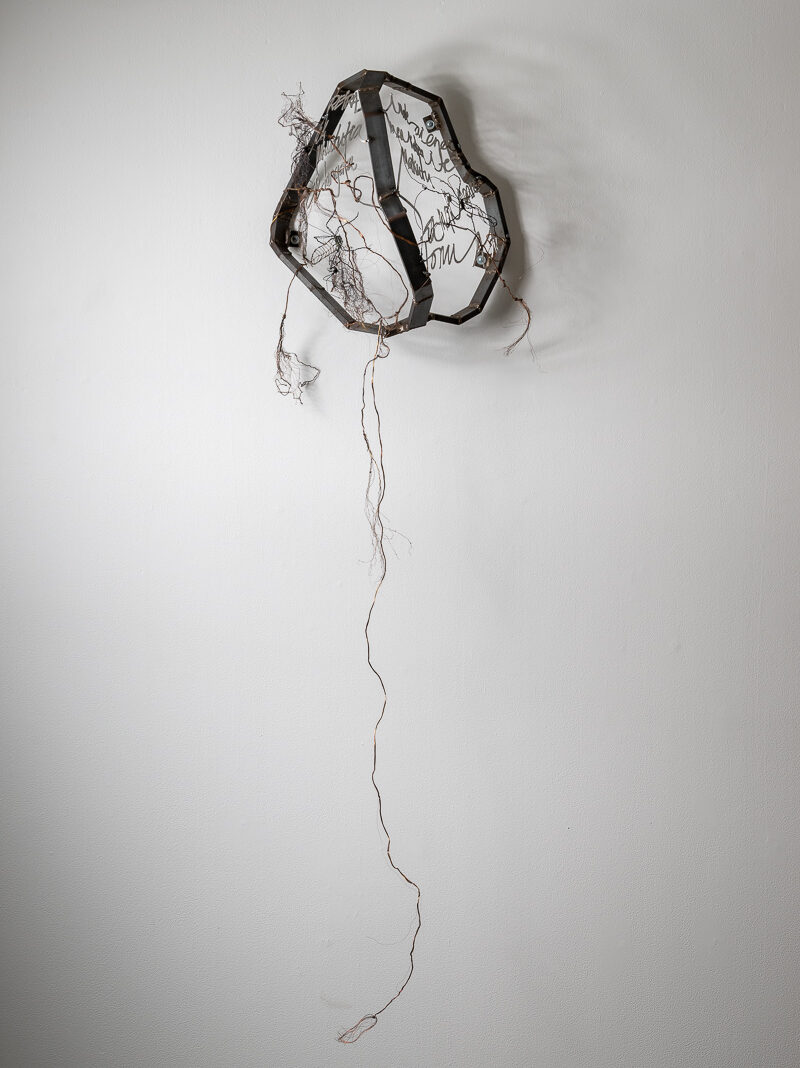
Critical Mass IV #1 20026 RHS black steel, stainless steel, stainless steel wire, found copper wire 1500 x 340 x 250 mm $10 000
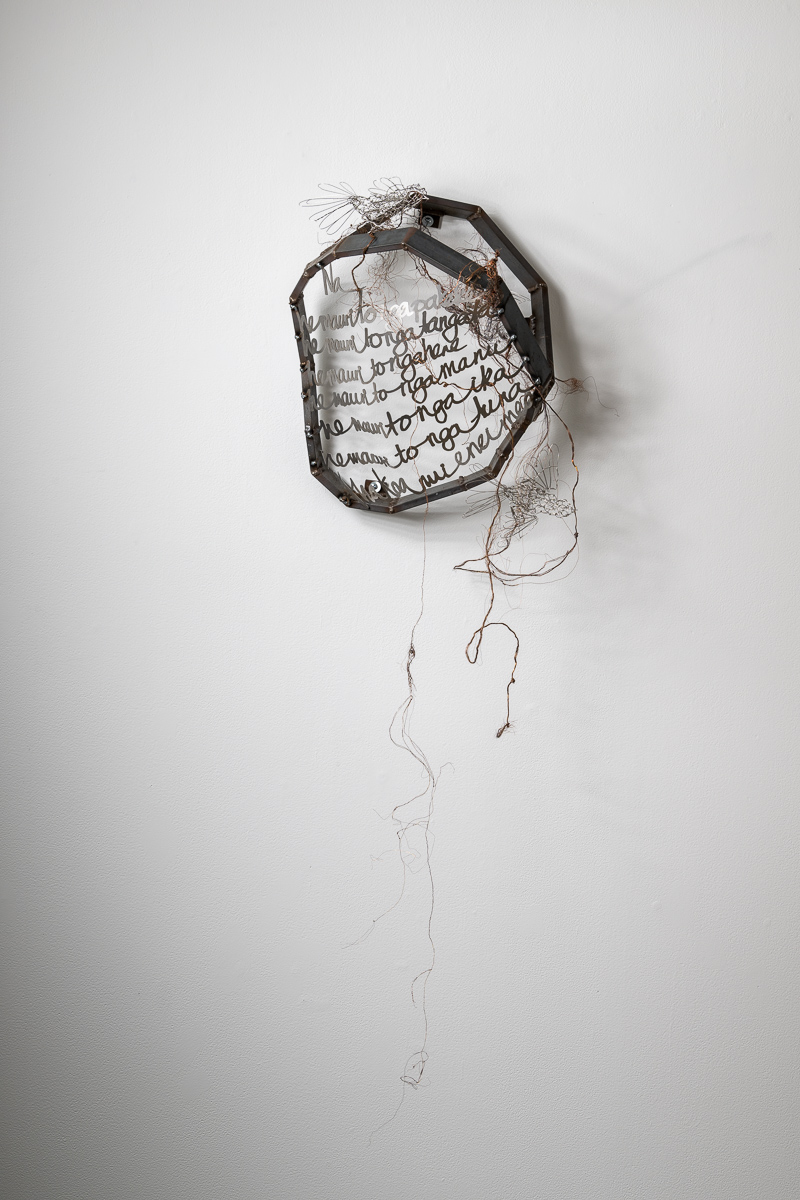
Critical Mass IV #2 20026 RHS black steel, stainless steel, stainless steel wire, found copper wire 1260 x 340 x 230 mm $10 000
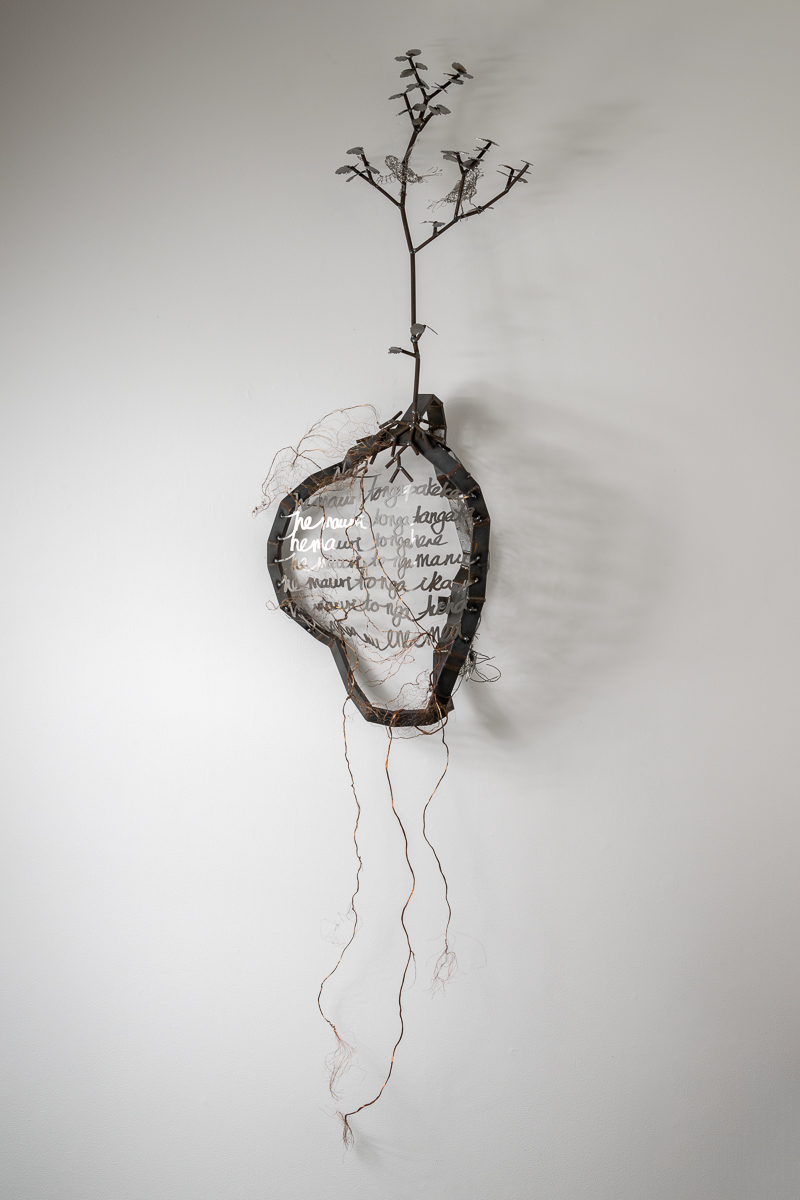
Critical Mass IV #3 20026 RHS black steel, stainless steel, stainless steel wire, found copper wire 1950 x 400 x 370 mm $24,000
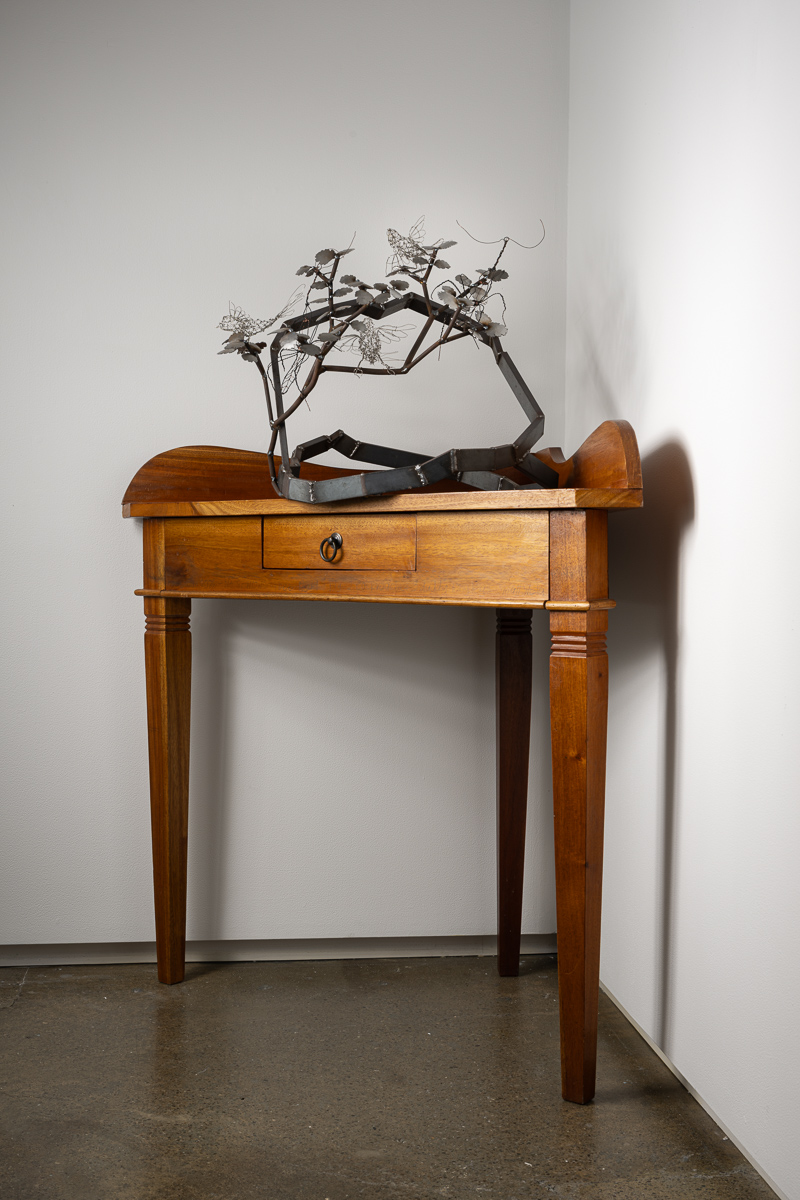
Critical Mass IV #4 20026 RHS black steel, stainless steel, stainless steel wire, found copper wire on found table, engraved with ink 1200 x 960 x 700 mm $10 000
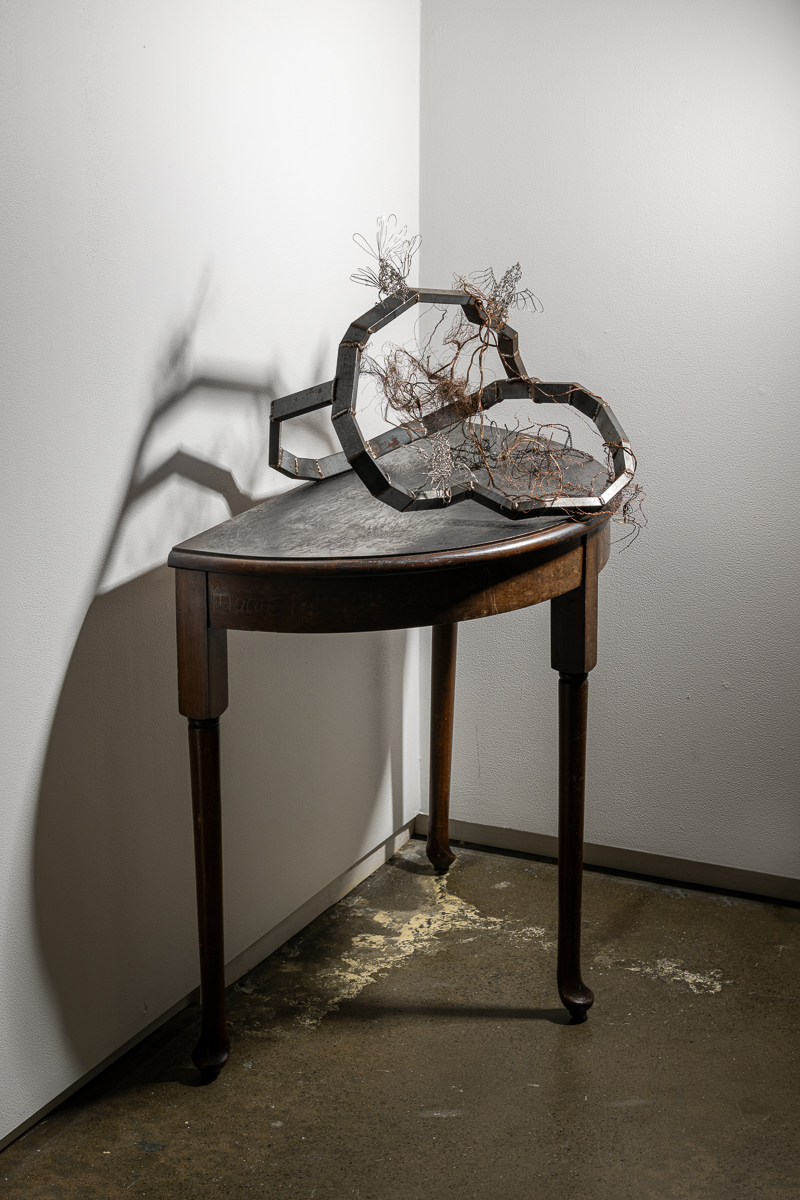
Critical Mass IV #5 20026 RHS black steel, stainless steel, stainless steel wire, found copper wire on found table with charcoal, engraved with ink 1050 x 760 x 420 mm $10 000
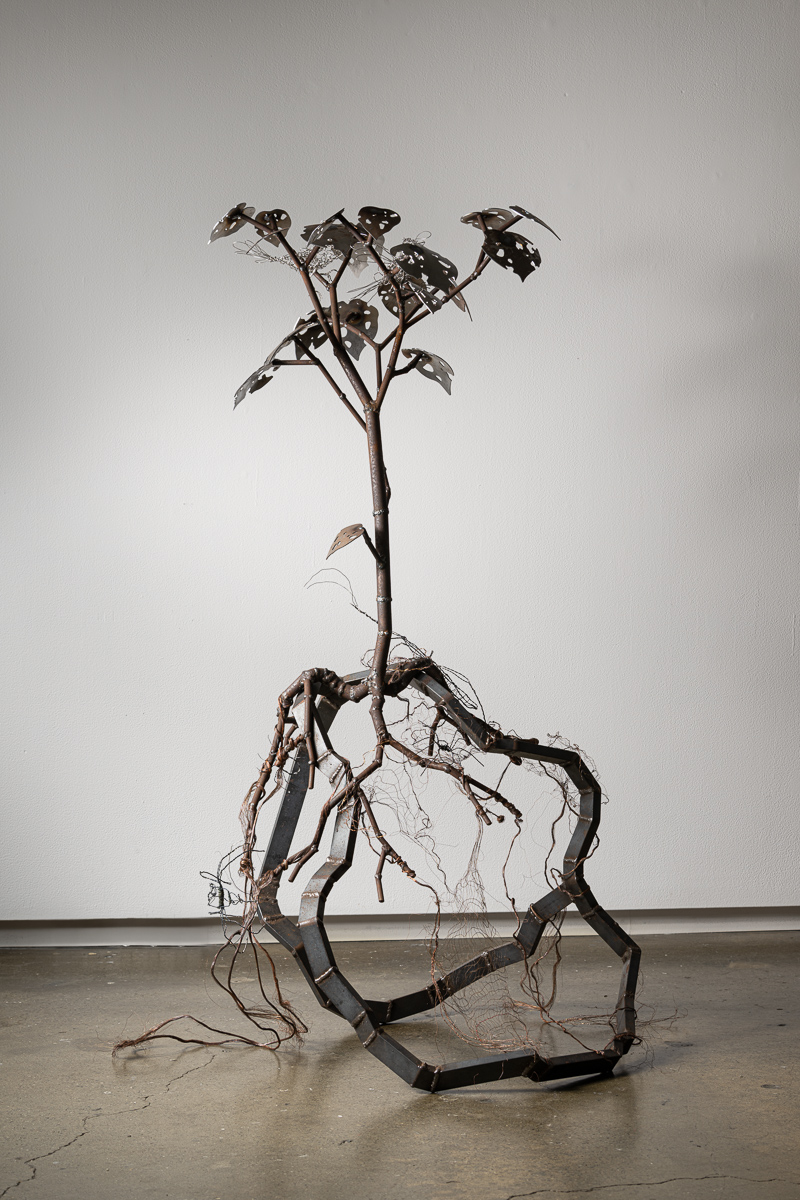
Critical Mass IV #6 20026 RHS black steel, stainless steel, stainless steel wire, found copper 940 x 470 x 400 mm $24 000
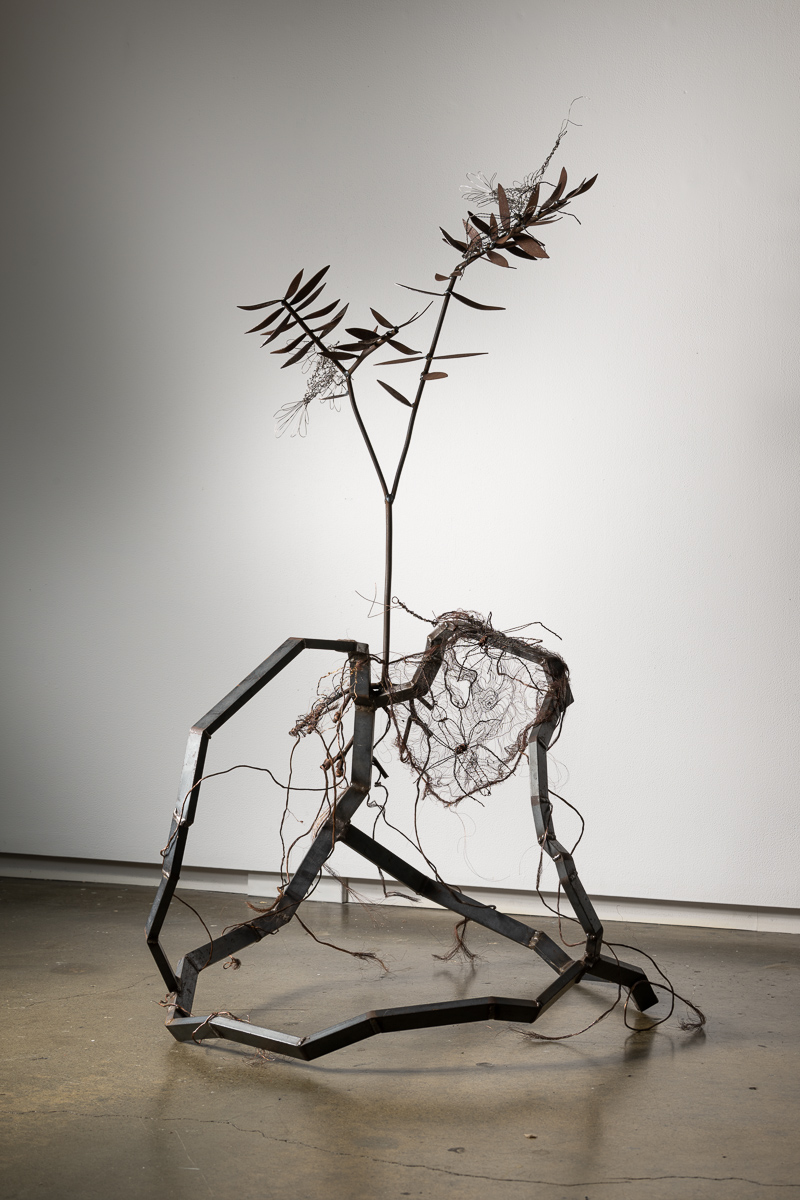
Critical Mass IV #7 20026 RHS black steel, stainless steel, stainless steel wire, found copper 1090 x 650 x 520 mm $24 000
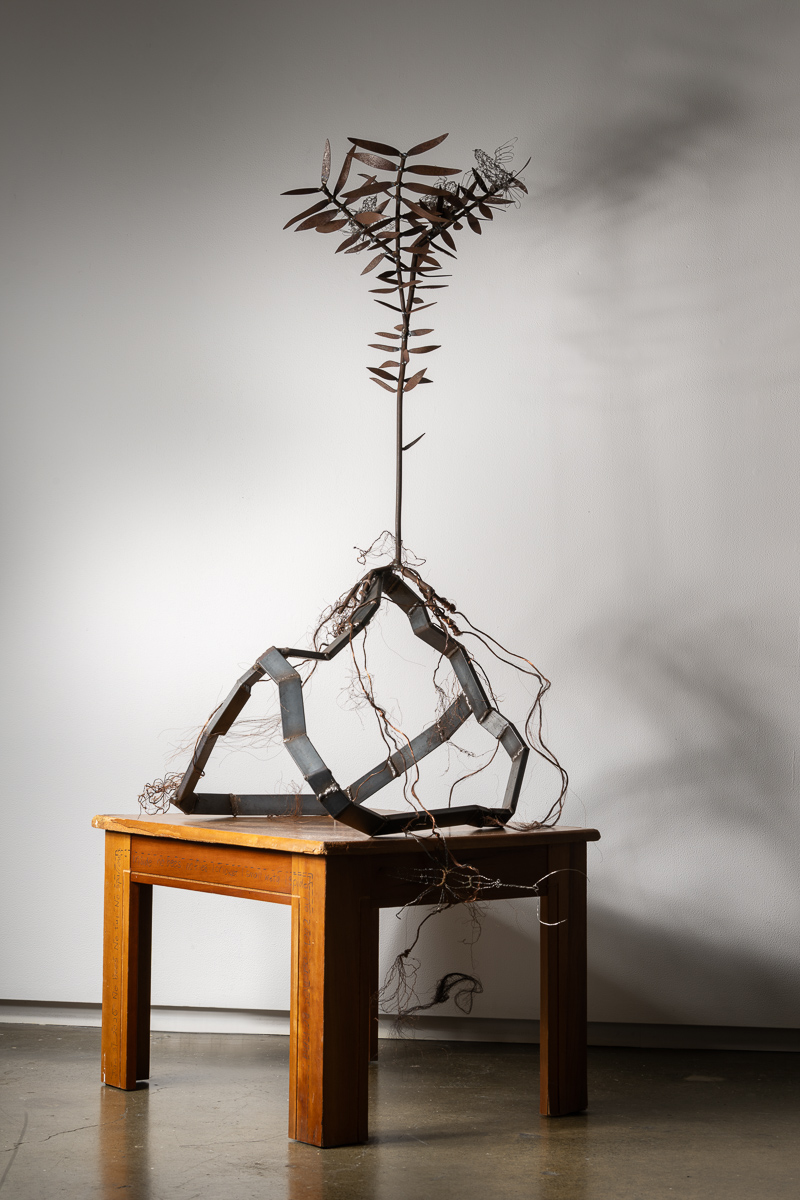
Critical Mass IV #8 20026 RHS black steel, stainless steel, stainless steel wire, found copper on found table, engraved with ink 940 x 470 x 400 mm $24 000