
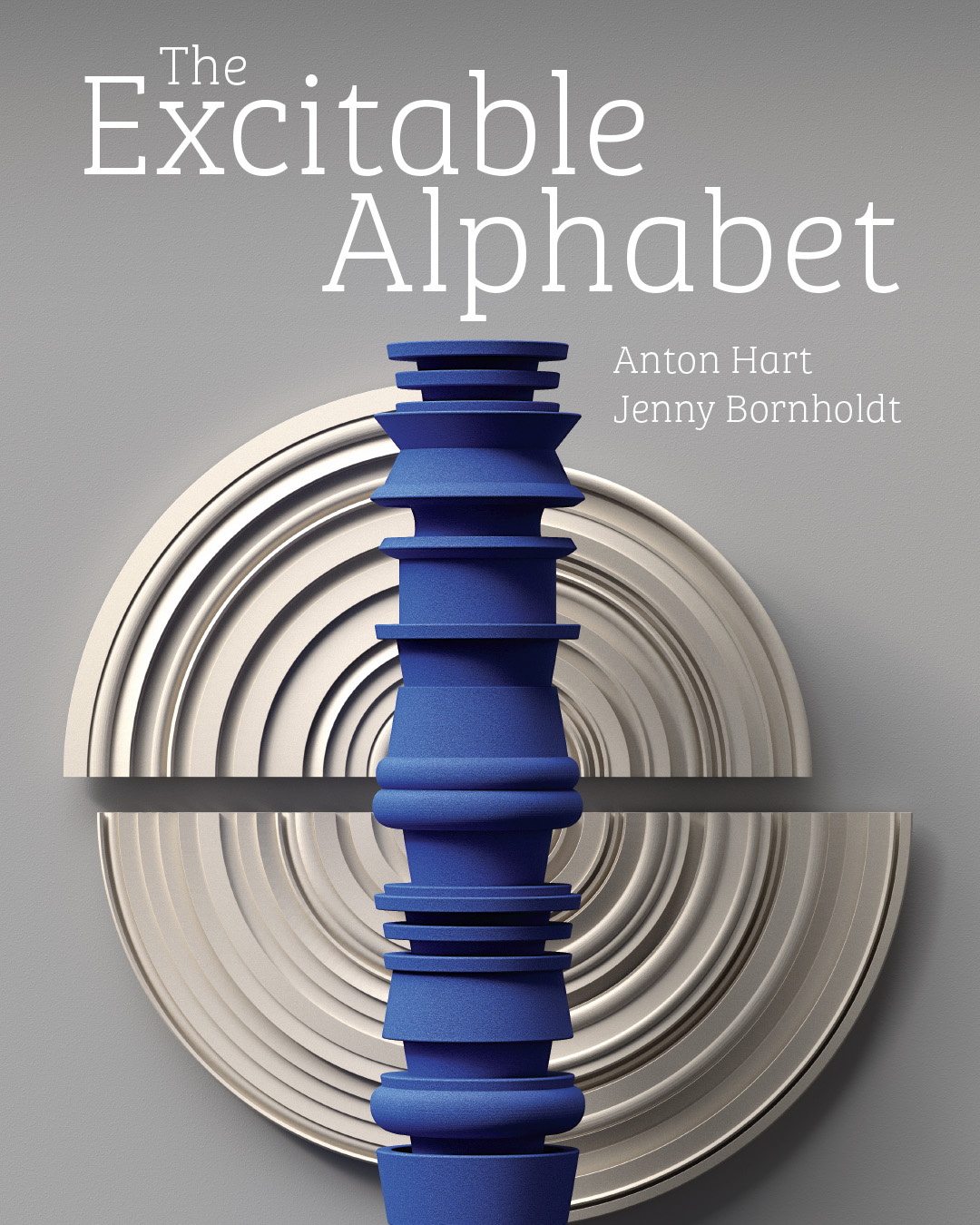
The excitable alphabet / Everything we have written
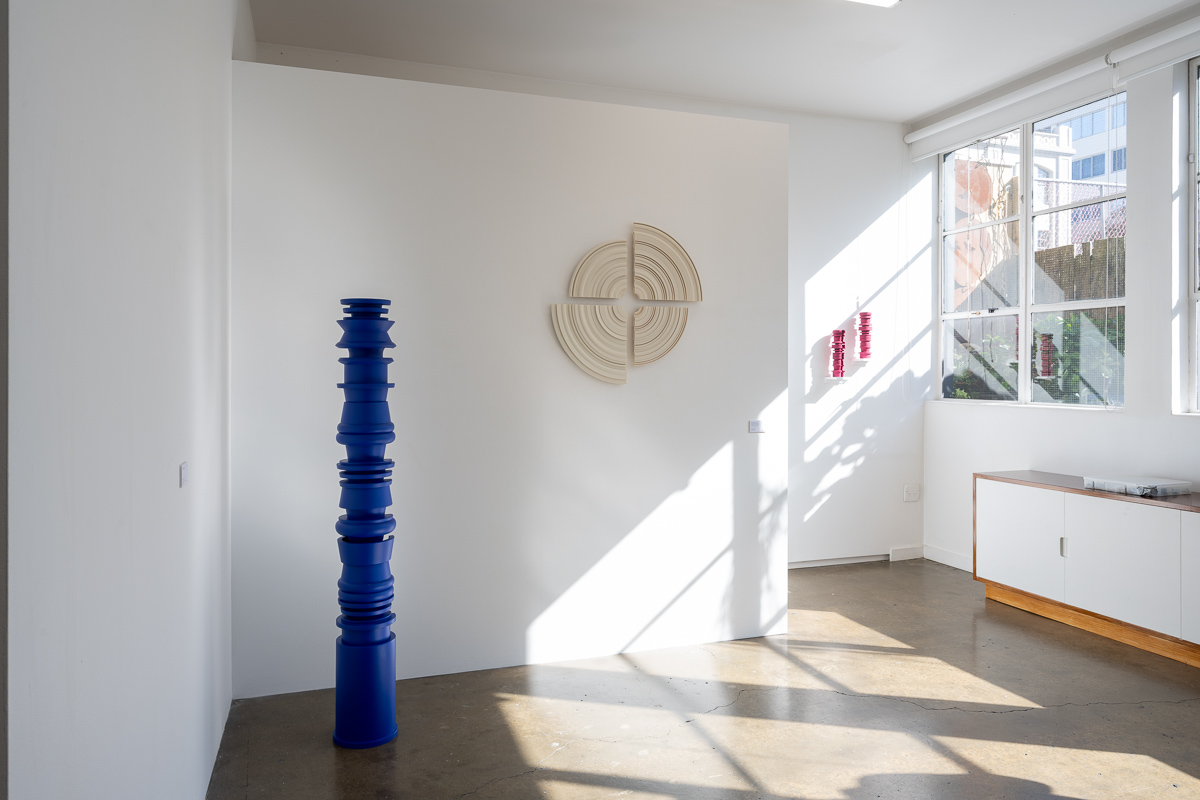
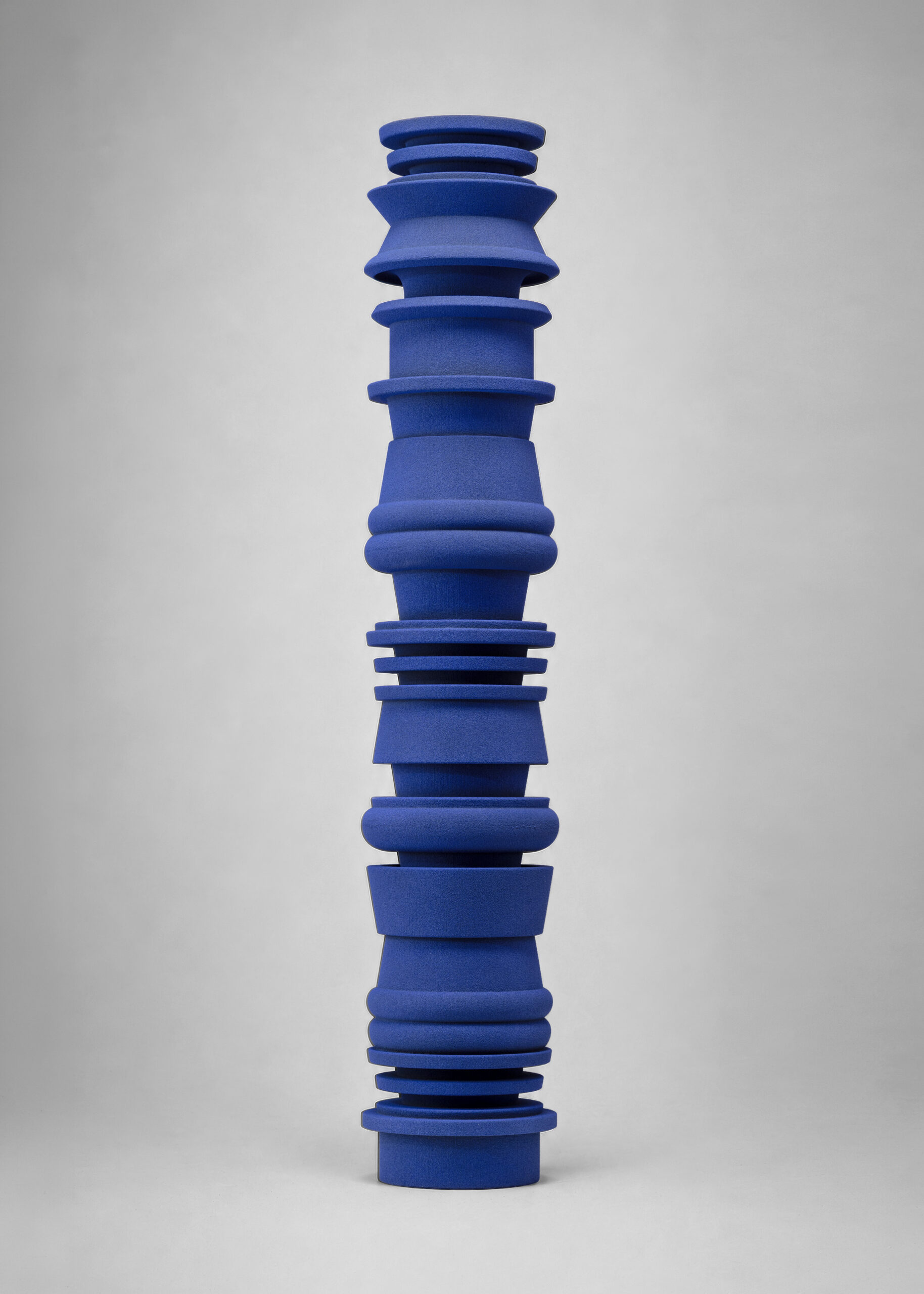
‘Look at the sea’s edge!’ exclaims a character at the conclusion of Jack B. Yeats’s play ‘In Sand’. ‘The tide is coming in now fast, look, look, the waters are covering up and washing away everything that we have written…’ Standing firm against such a sweeping away of language and meaning, Anton Hart’s vertical constructions are consciously made of sand—a material long associated with transience, tidal movement and mutability—although reconstituted here and made permanent (by way of a resin compound) into pillar-forms.
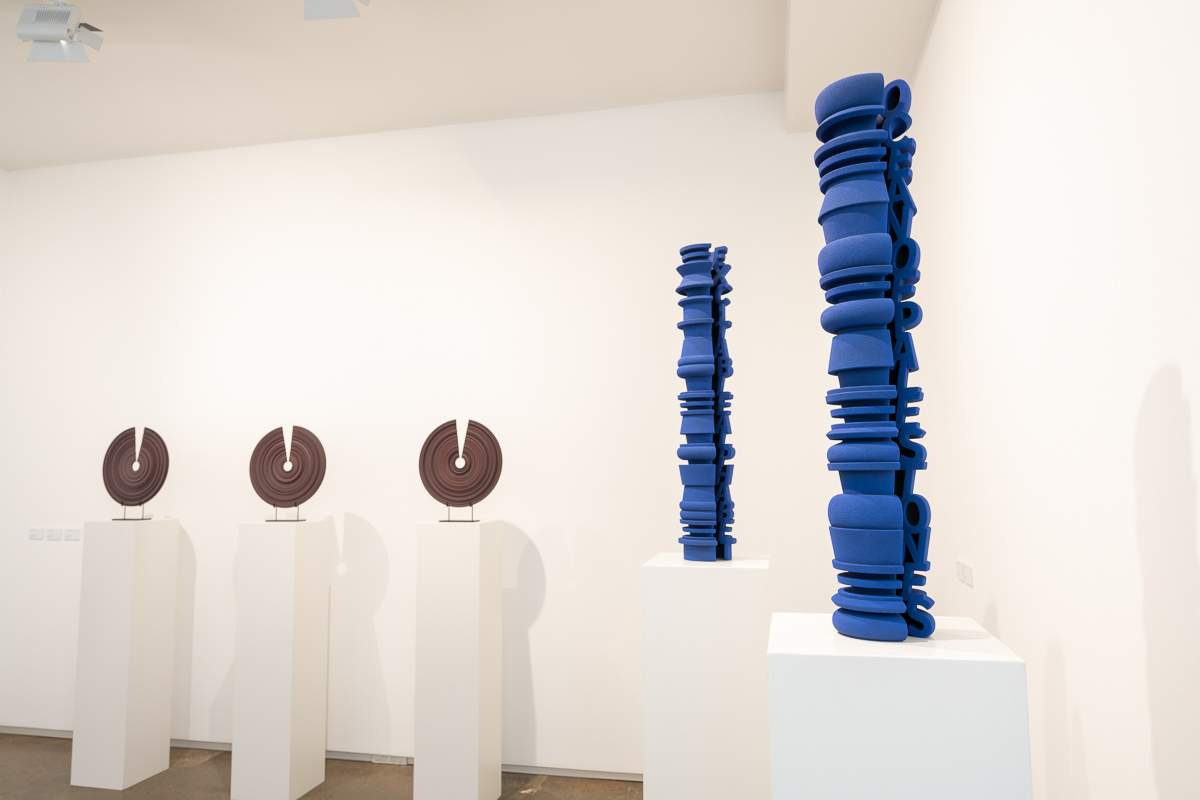
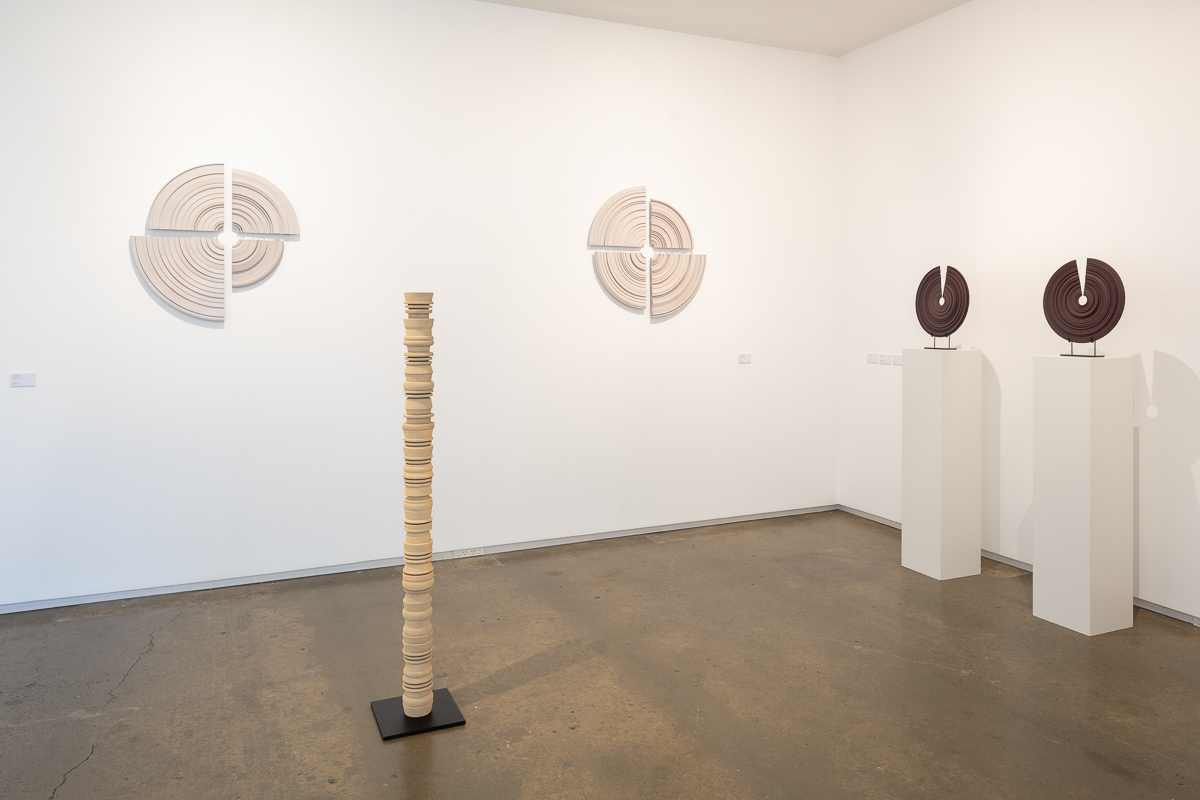
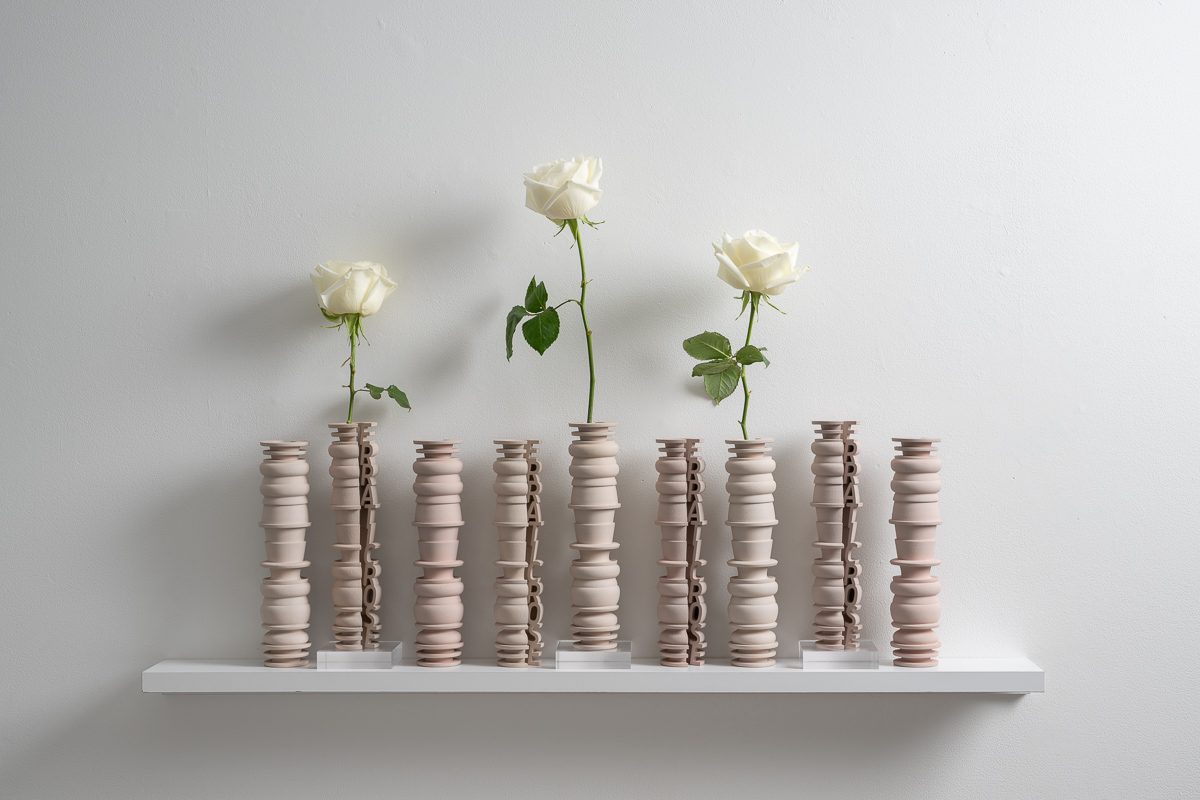
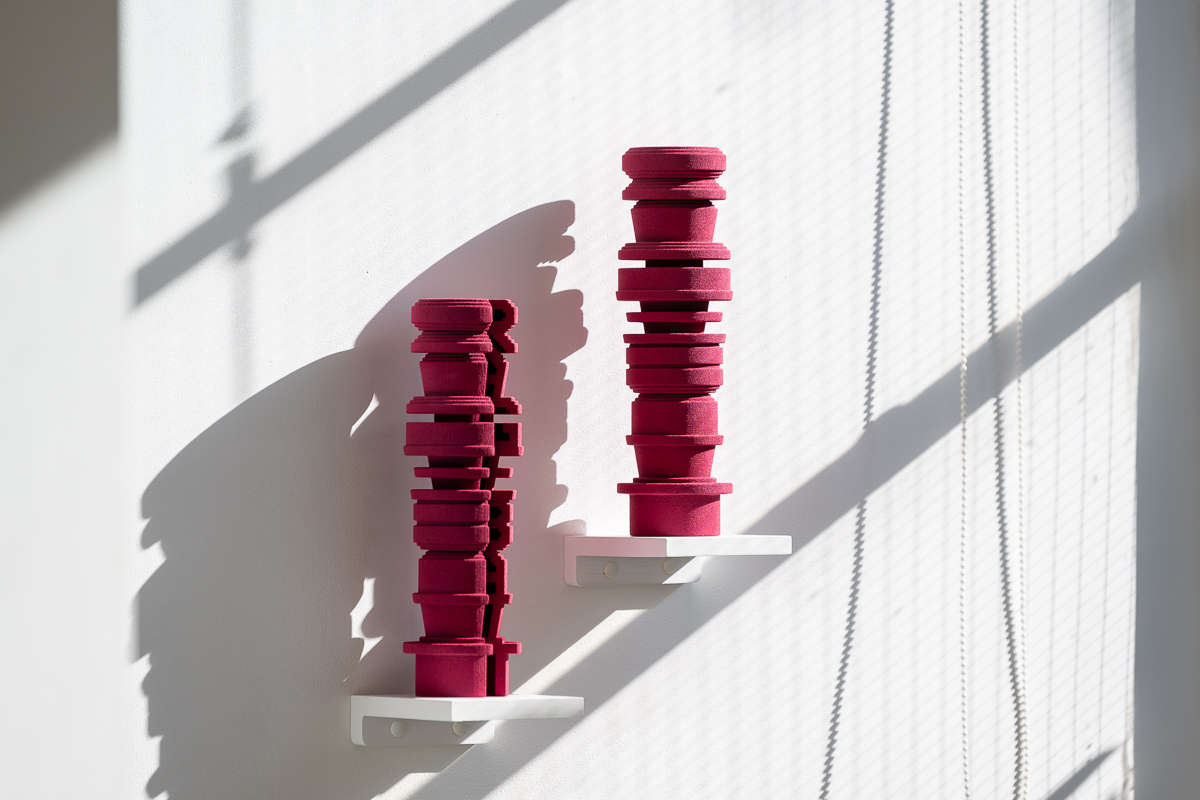
Into this schema, Jenny Bornholdt’s poetry enters as a vital ingredient or catalyst. It is the letters of the words of her poems—with their curves and straight edges—which determine the height and shape of each standing form. Anton’s artistic project is particularly responsive to this verbal agitation, the sculptures becoming a lively form of word-play, a concrete poetry (in both literal and figurative senses).
In fading or broken light, each vertical work takes on a life of its own. In a certain light, it becomes one of Giacometti’s lean, frayed pedestrians. You might also think of a chess piece or stalagmite. Or a lighthouse—possibly Virginia Woolf’s or the one at Cape Campbell where Len Lye spent part of his childhood. Or the Martello Tower in which James Joyce set the opening scene of Ulysses—a well-worded structure looking out at the world rather than simply being looked at.
I also think of these works as musical instruments –as clarinet, oboe or some other wind instrument (and, in open air, the wind would certainly find a note or a musical phrase in these freestanding forms). The mechanistic as well as the classical aspect of the work is offset by the inherent lyricism and incessant musicality of Jenny’s ‘excitable alphabet’, the warmth of her phraseology and the tremors of emotion.
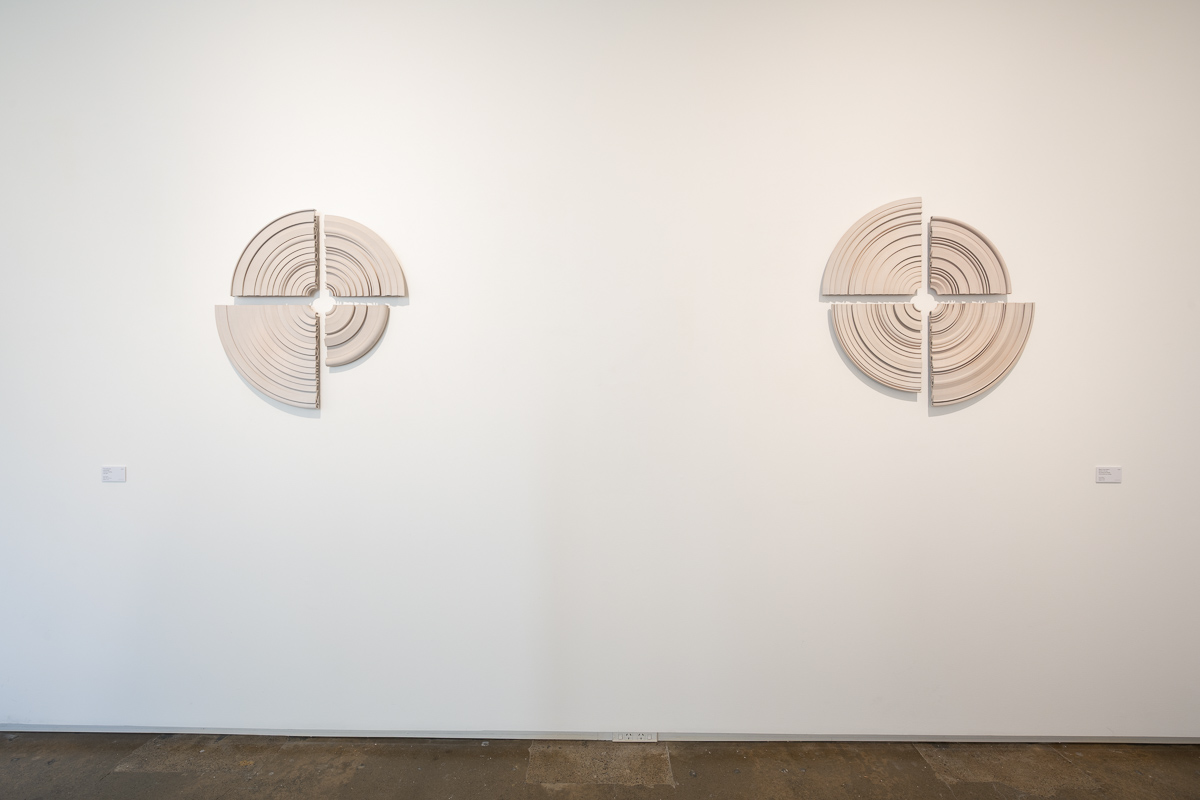
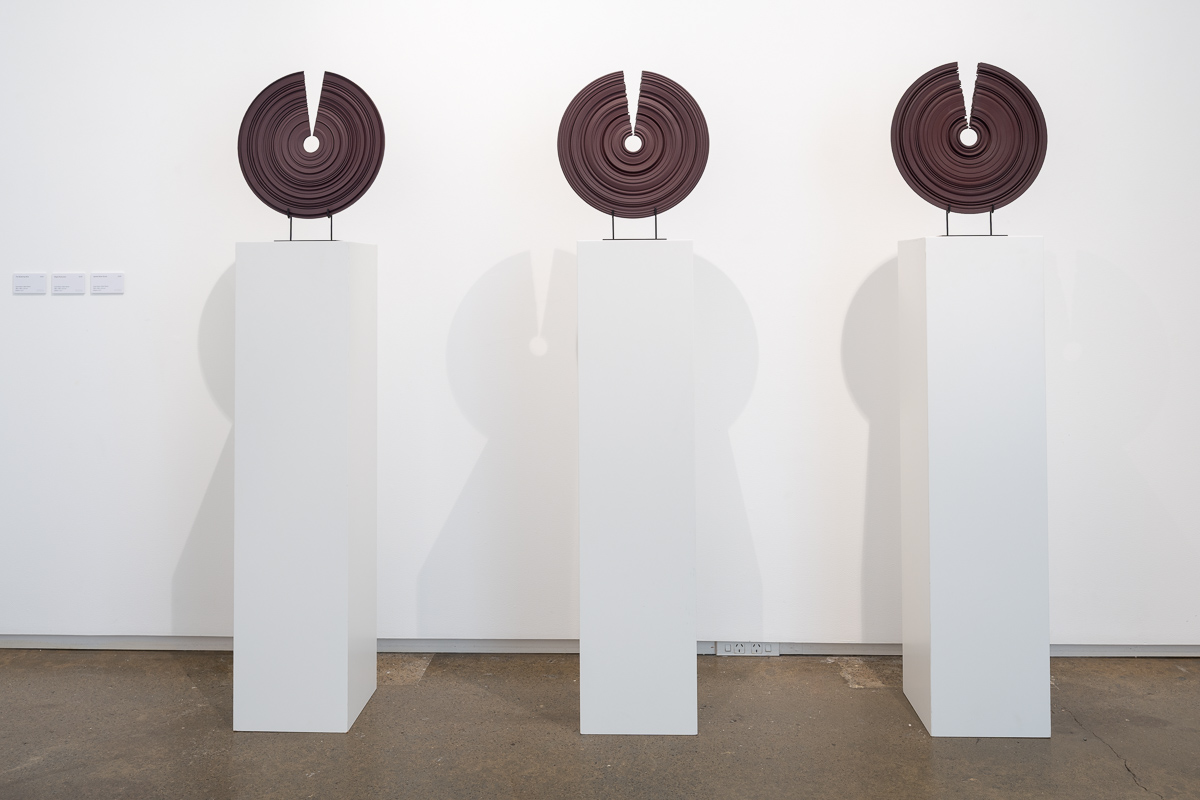
Jenny’s words become part of yet another kind of rhythm and dynamism in the Anton’s recent circular constructions which are displayed flat on the wall, like seashells laid out along Jack Yeats’s beach—fossilized language-forms in which the words come tunnelling through. Hinting at infinite as well as cyclical movement, the circular works are wheel-like and bring to mind Jenny’s concluding lines (from ‘Waking the Birds’): ‘The wings and wheels of the / modern world are / moving.’
Through the ages, beach walkers have inscribed words in sand with sticks or bare feet. In ‘The excitable alphabet’, the sculpture becomes at once the standing figure on the beach—the First Person, the ‘I’—and the words in the sand. Moving from that originating point—‘we were a long time ago’—Anton’s sculptural project has come to encompasses materials such as bronze, vinyl and wood, without losing any of its sensitivity to both the fleeting moment of lyrical poetry—‘but now we are now’— and to the permanence and formal values of its materials.
Gregory O’Brien
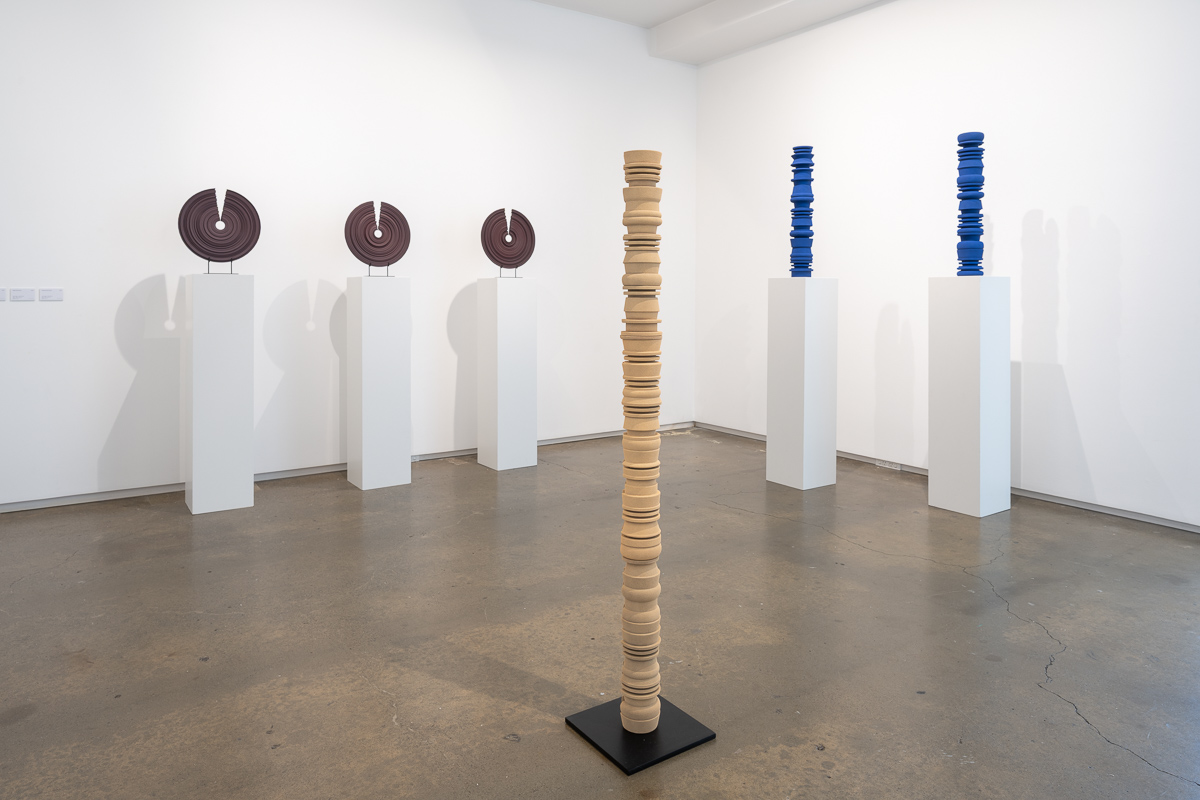
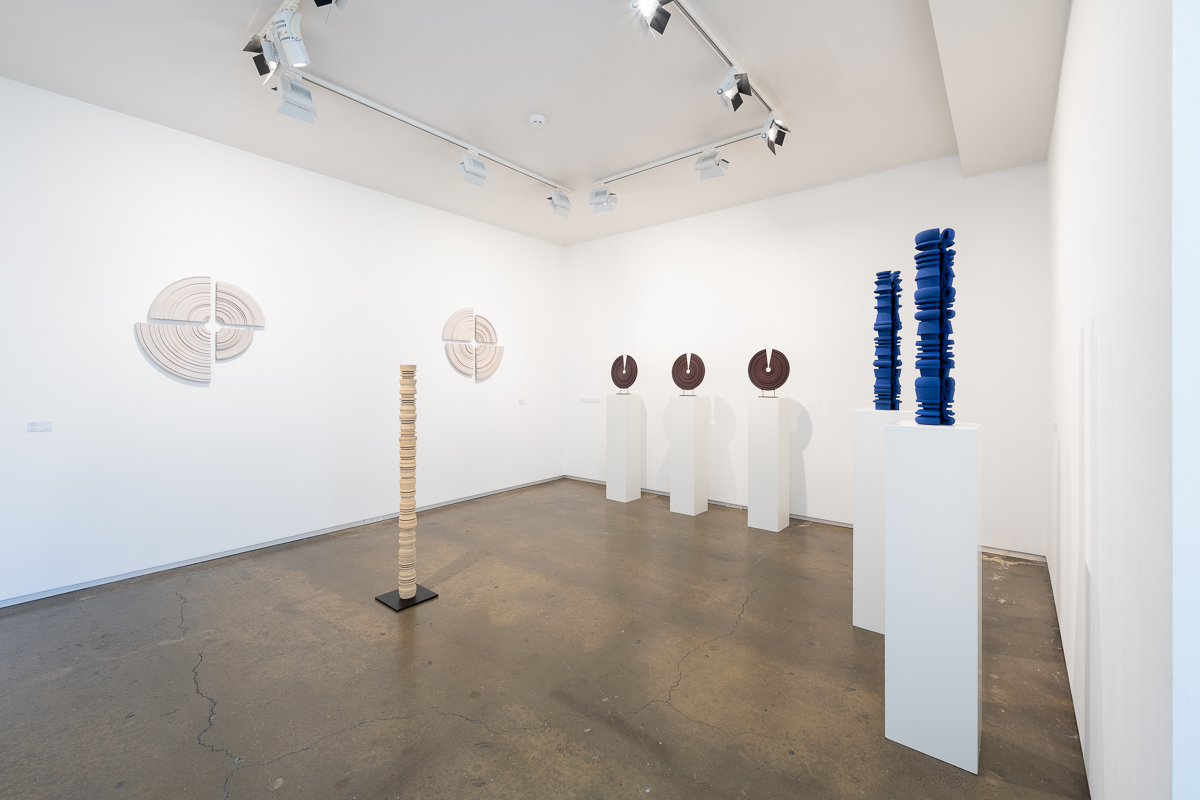
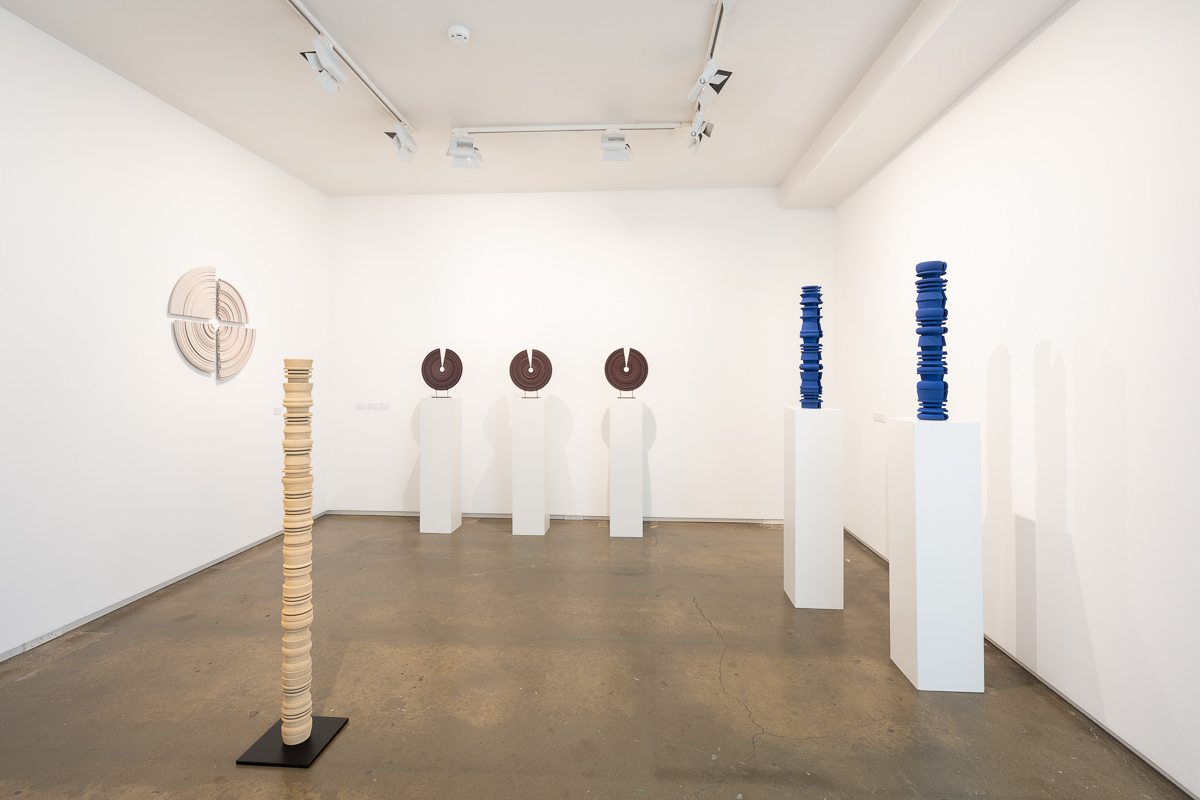
Excitable Alphabet 2026, coated quartz sand, edition of 3, 700 x 130 x 130 mm [front view] $7000
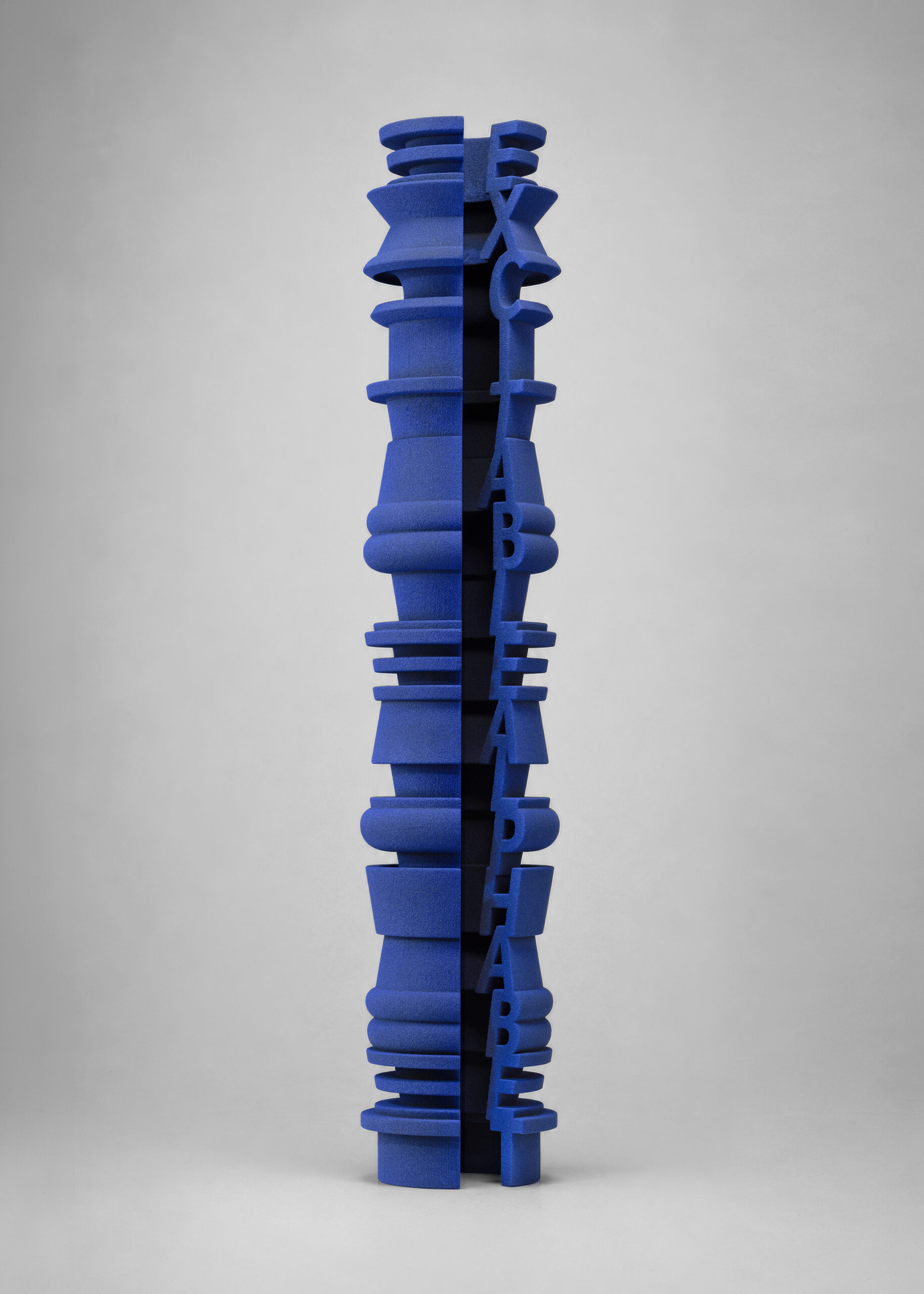
Excitable Alphabet [word view]
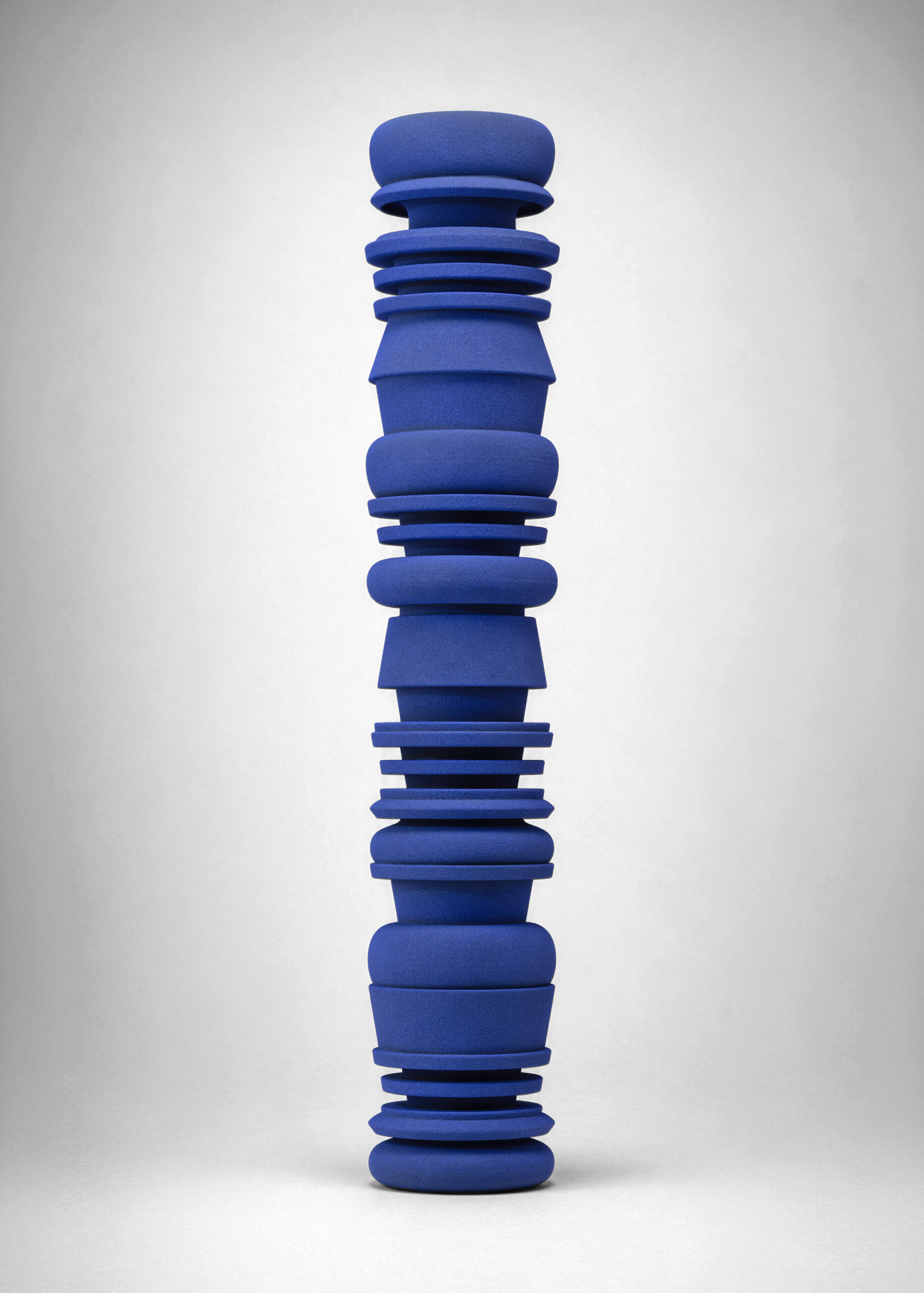
Oceans of Pale Stones 2026, coated quartz sand, edition of 3, 682 x 125 x 125 mm [front view] $7000
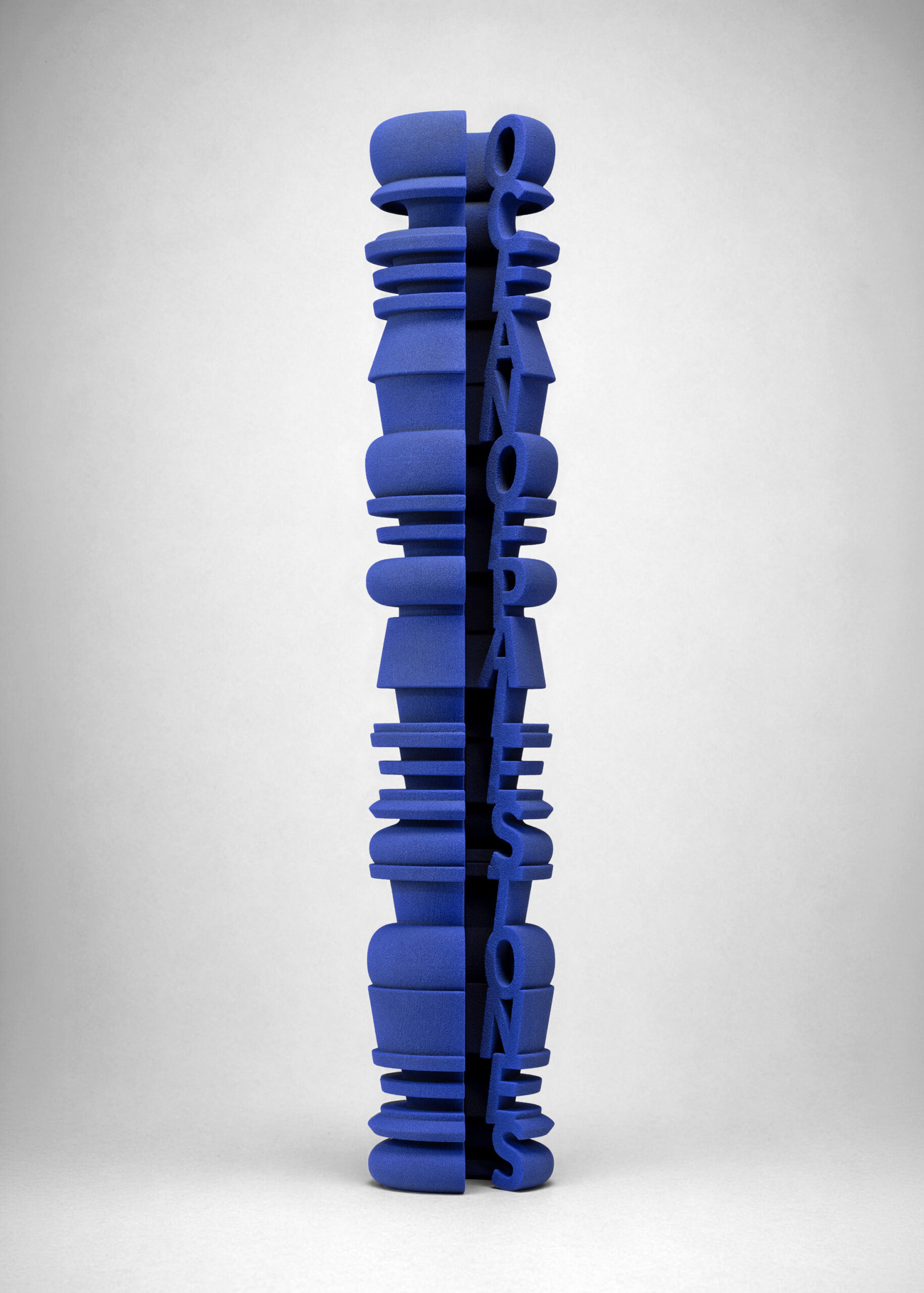
Oceans of Pale Stones [world view]
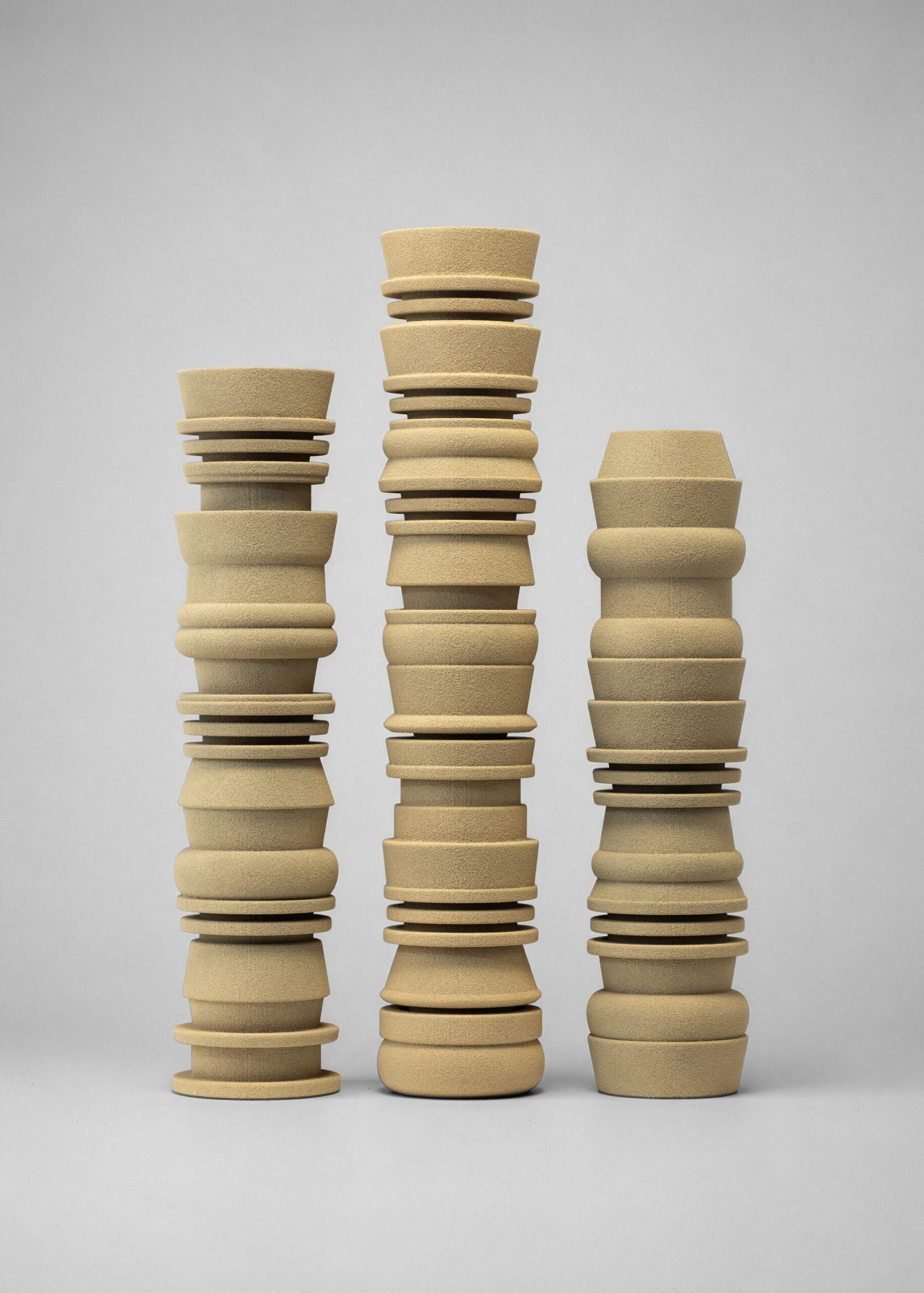
Tumble and Fall 2026, coated quartz sand, edition of 3, 422 x 99 x 99 mm; 503 x 98 x 98 mm; 387 x 95 x 95 mm [front view] $9000
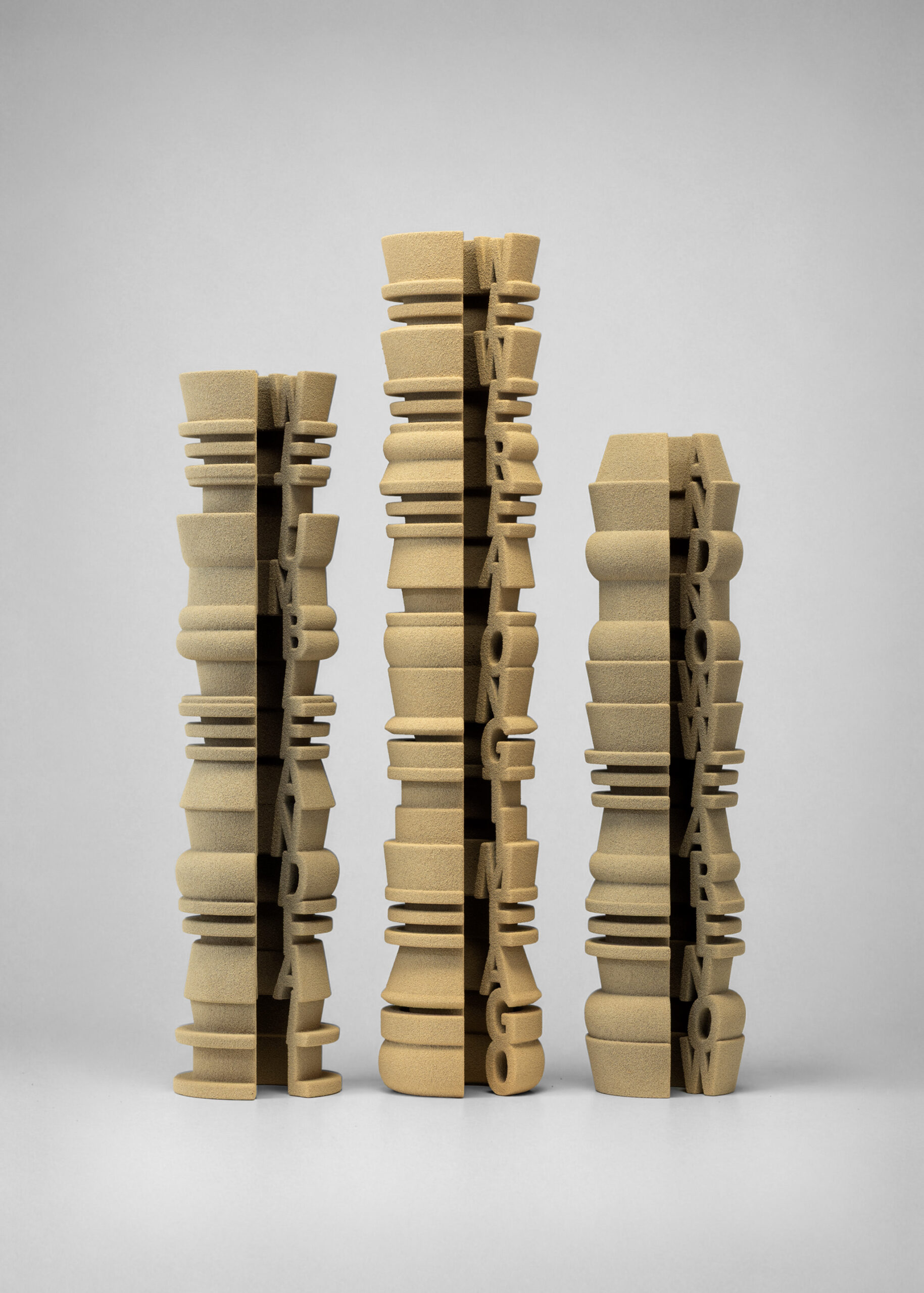
Tumble and Fall [word view]
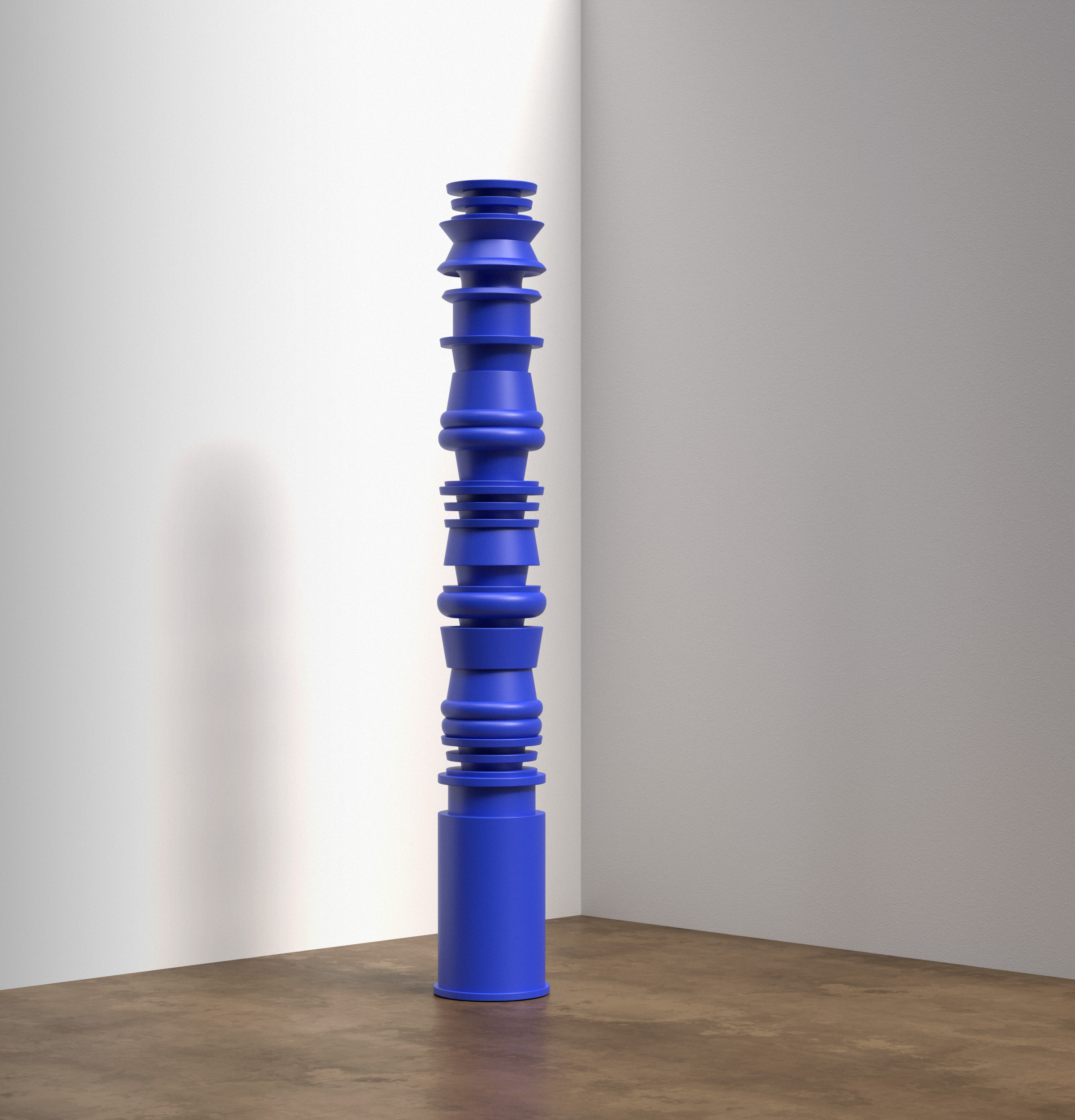
Excitable Alphabet 2026, coated composite ABS, edition of 3, 1500 x 200 x 200 mm [front view] $11 500
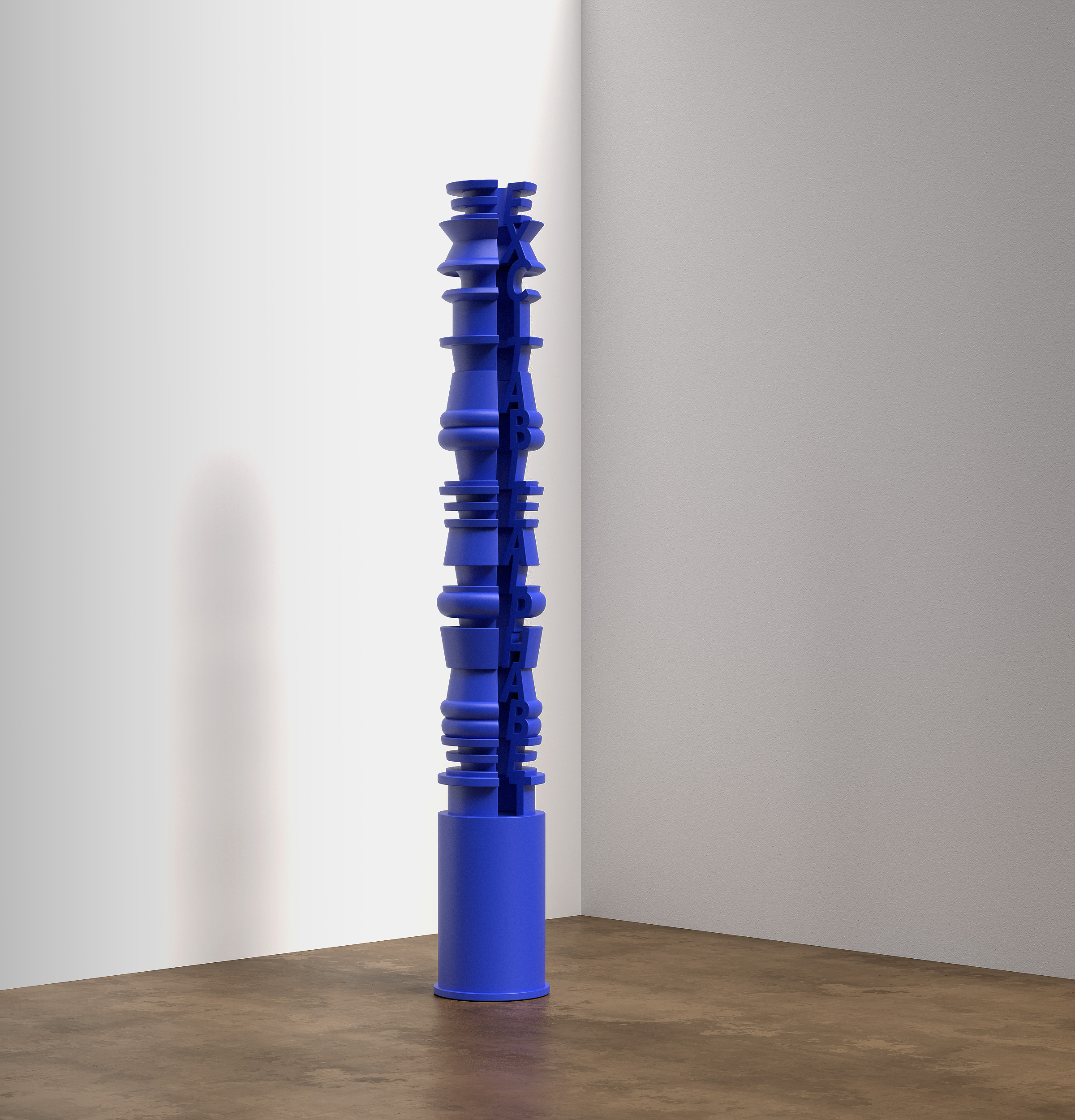
Excitable Alphabet 2026, coated composite ABS, edition of 3, 1500 x 200 x 200 mm [word view] $11 500
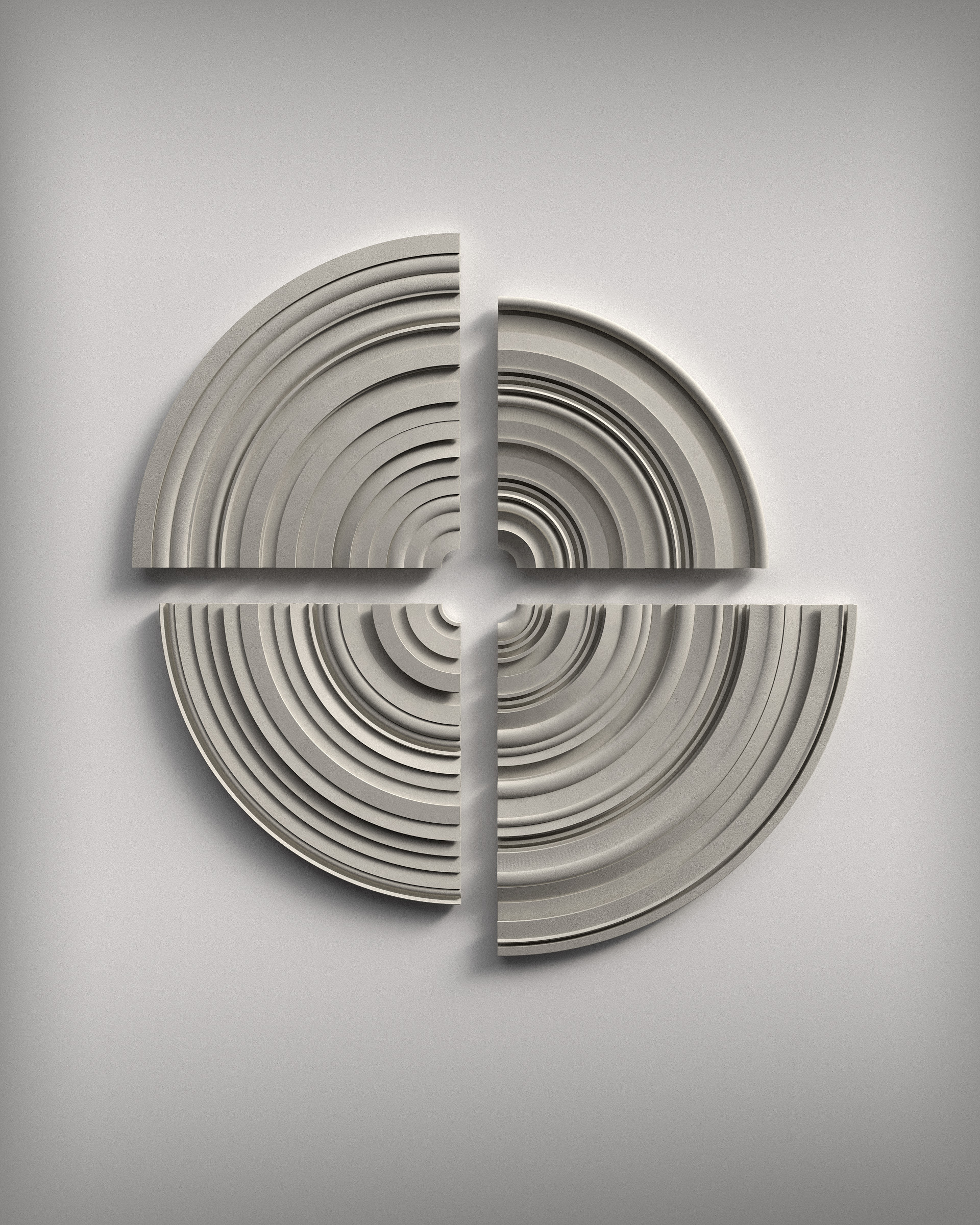
Boats in a harbour 2026, dyed nylon, edition of 3, 766 x 758 x 30 mm $5500
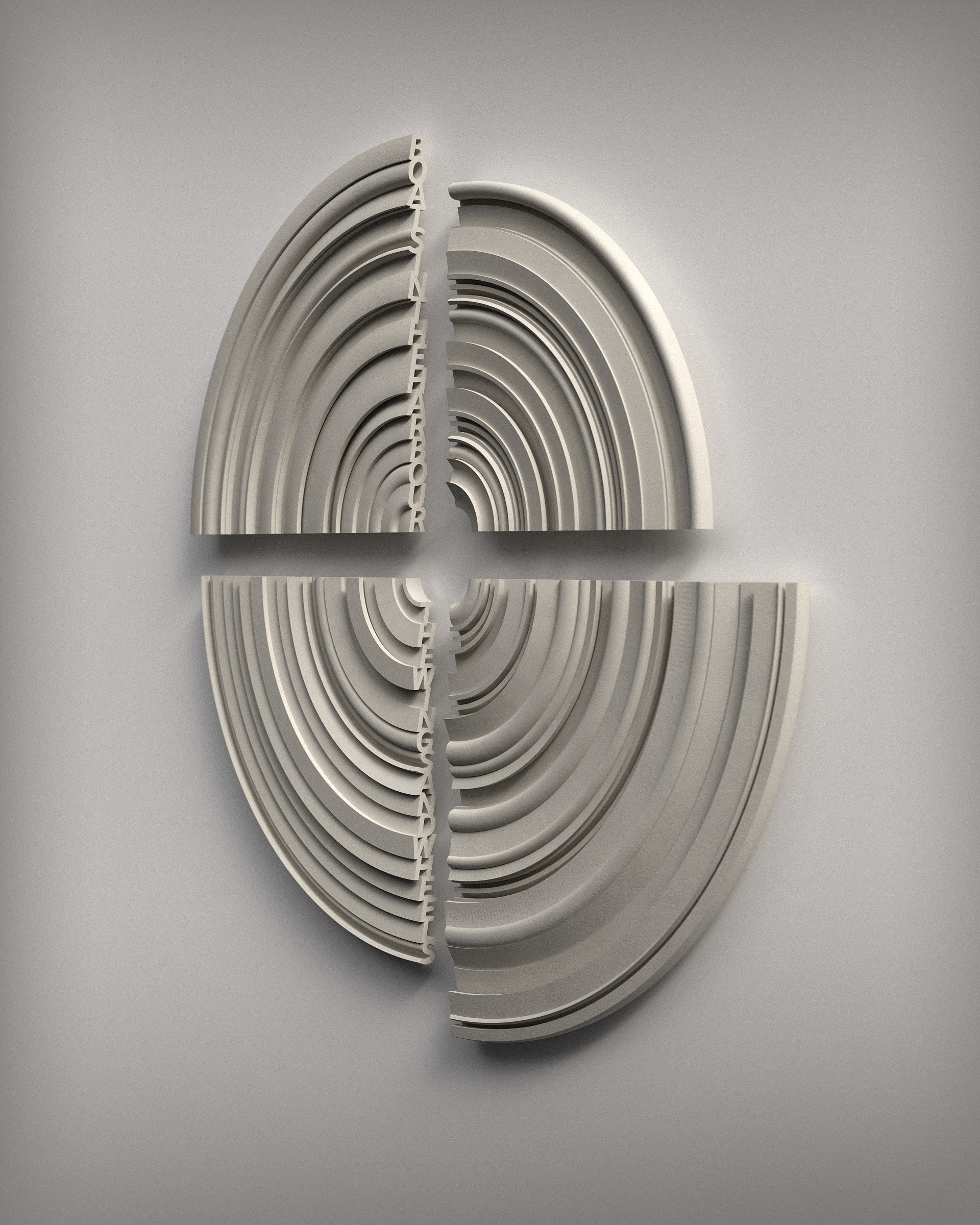
Boats in a harbour [profile]
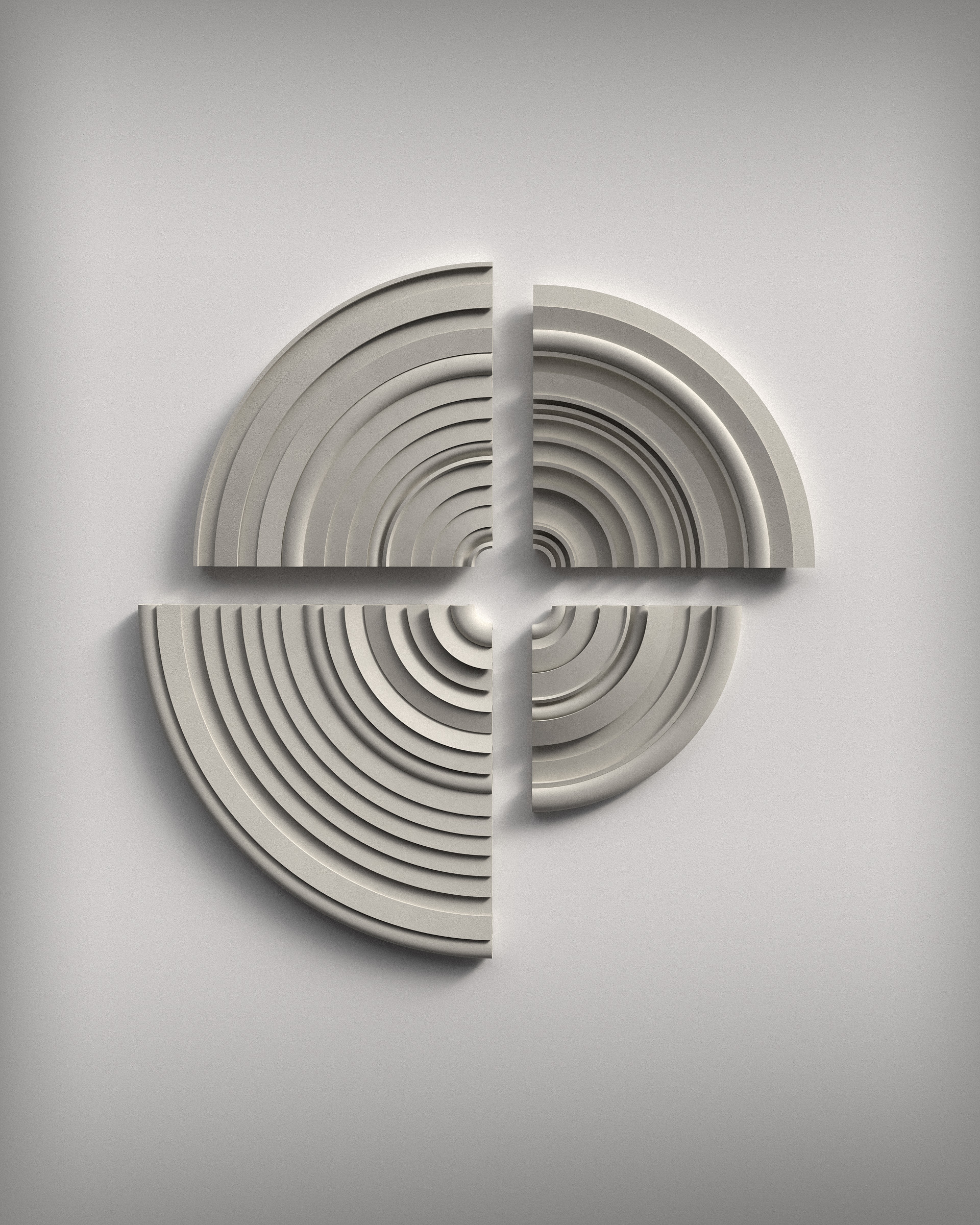
The world spins 2026, dyed nylon, edition of 3, 710 x 735 x 30 mm $5500
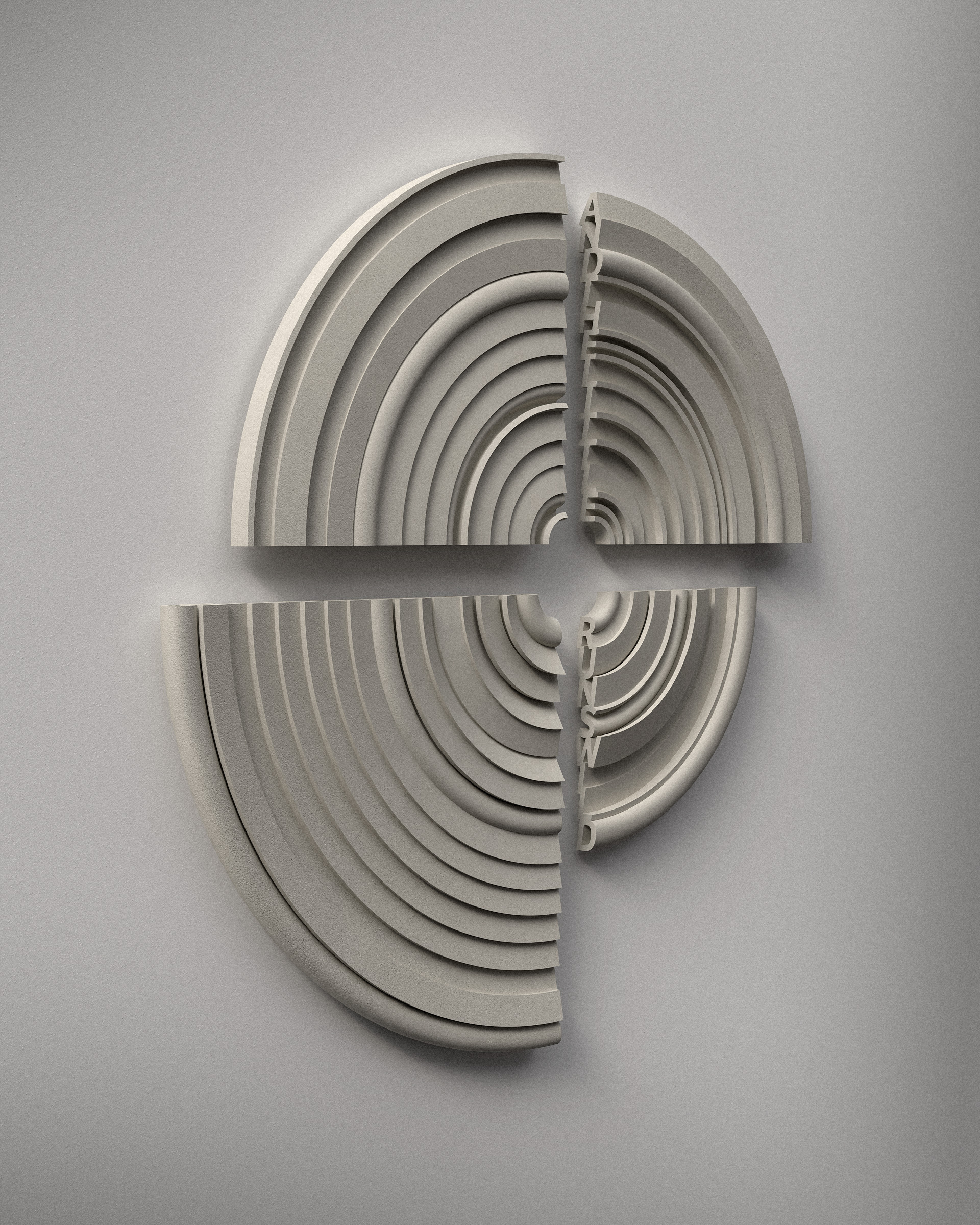
World Spins [profile]
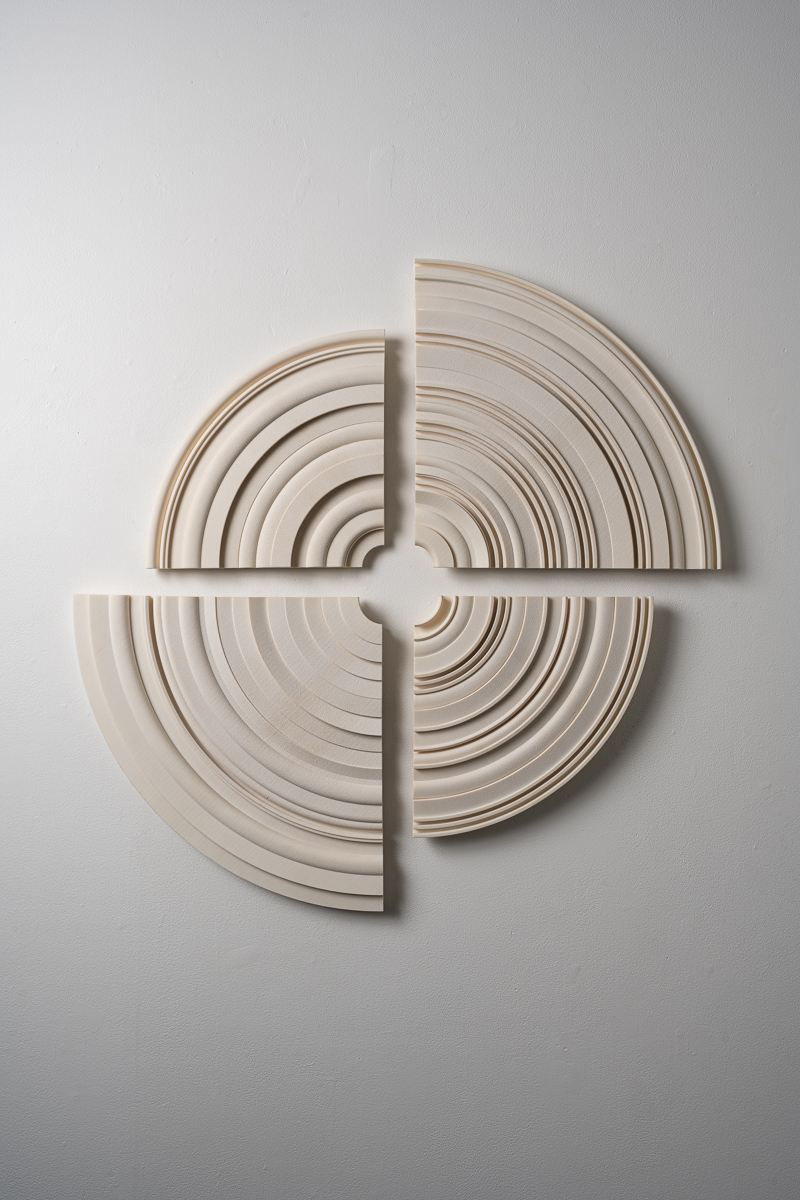
Stone, 2025, dyed nylon, edition of 3 $5500
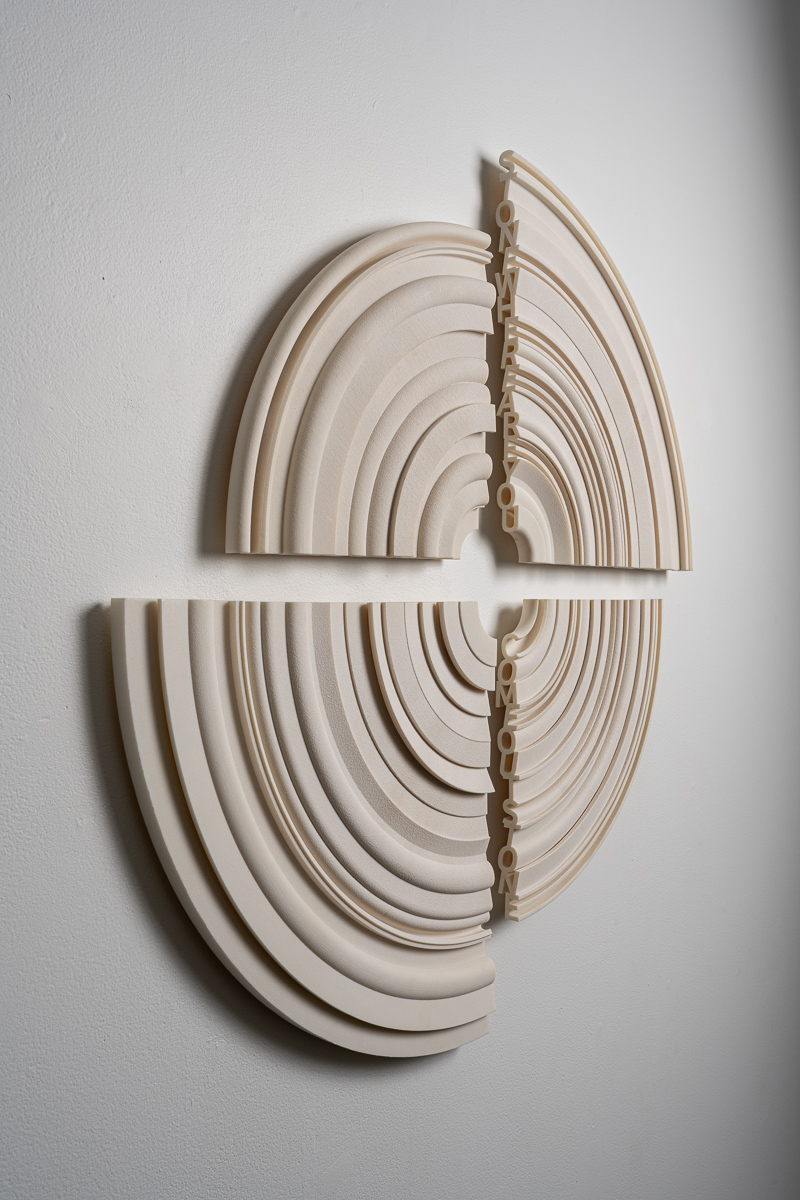
Stone [profile]
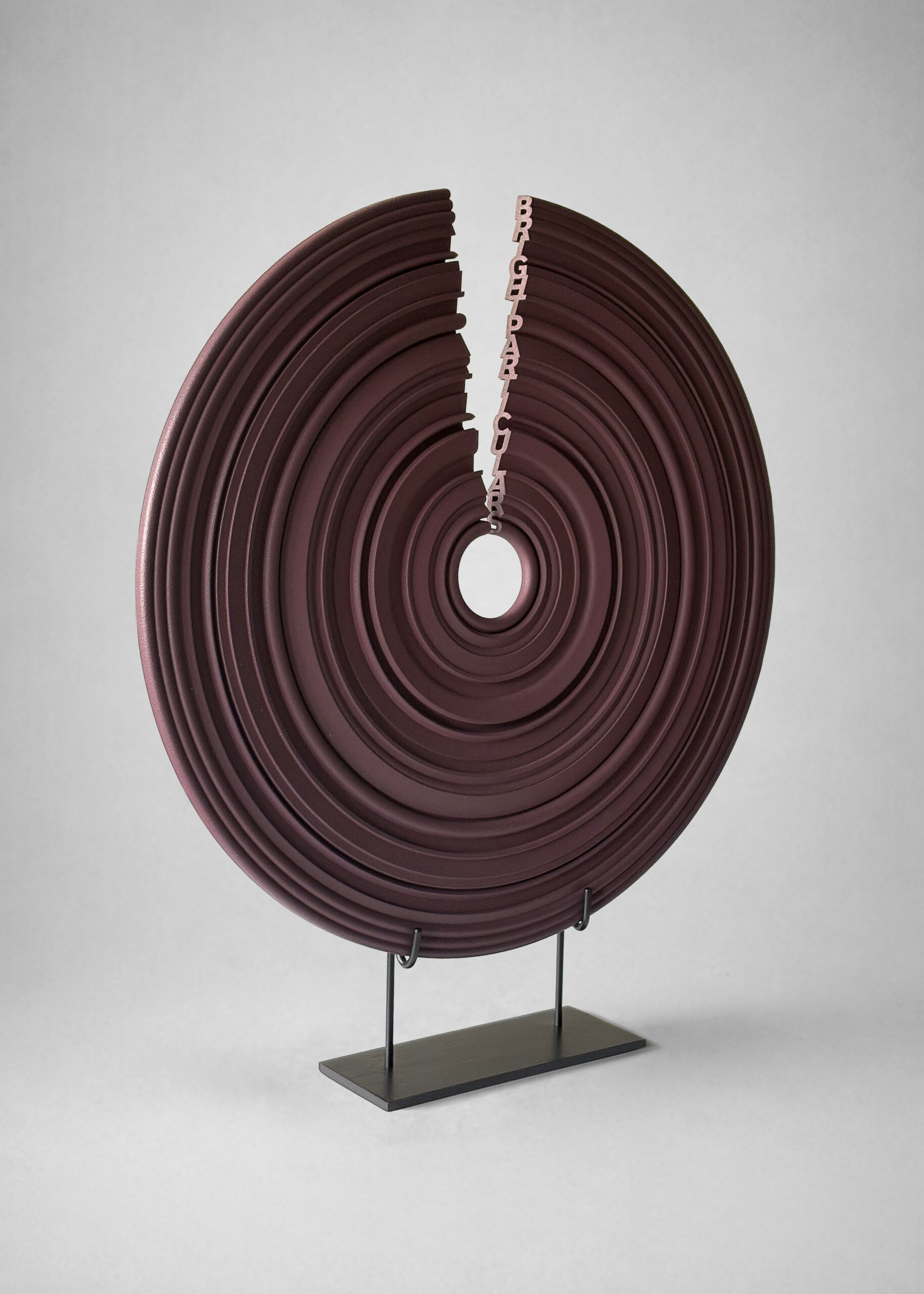
Bright Particulars 2026, dyed nylon on steel stand, edition of 3, 360 x 360 x 20 mm $2900
Upside Down Ducks 2026, dyed nylon on steel stand, edition of 3, 360 x 360 x 20 mm $2900
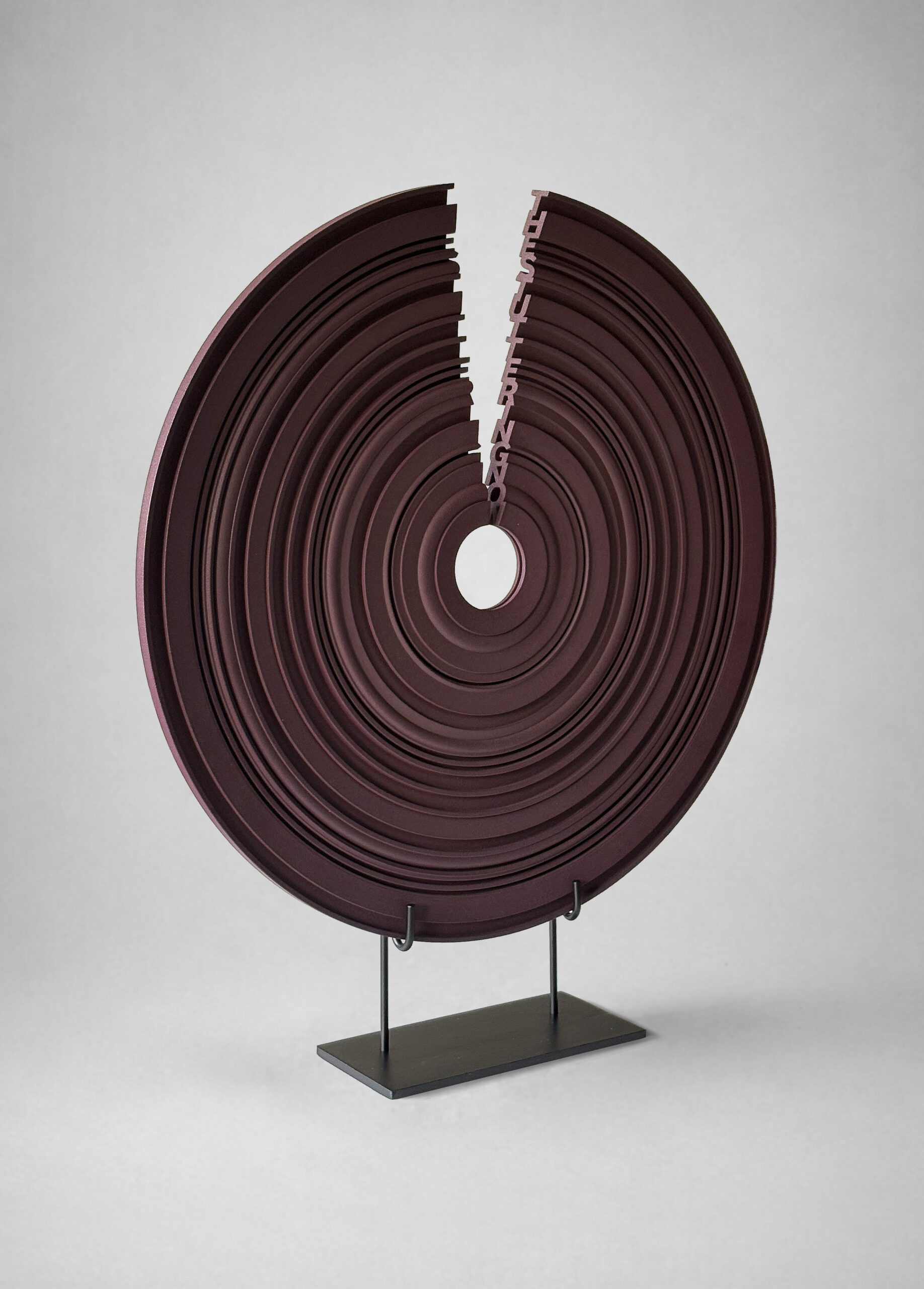
The Stuttering Now 2026, dyed nylon on steel stand, edition of 3, 360 x 360 x 20 mm $2900
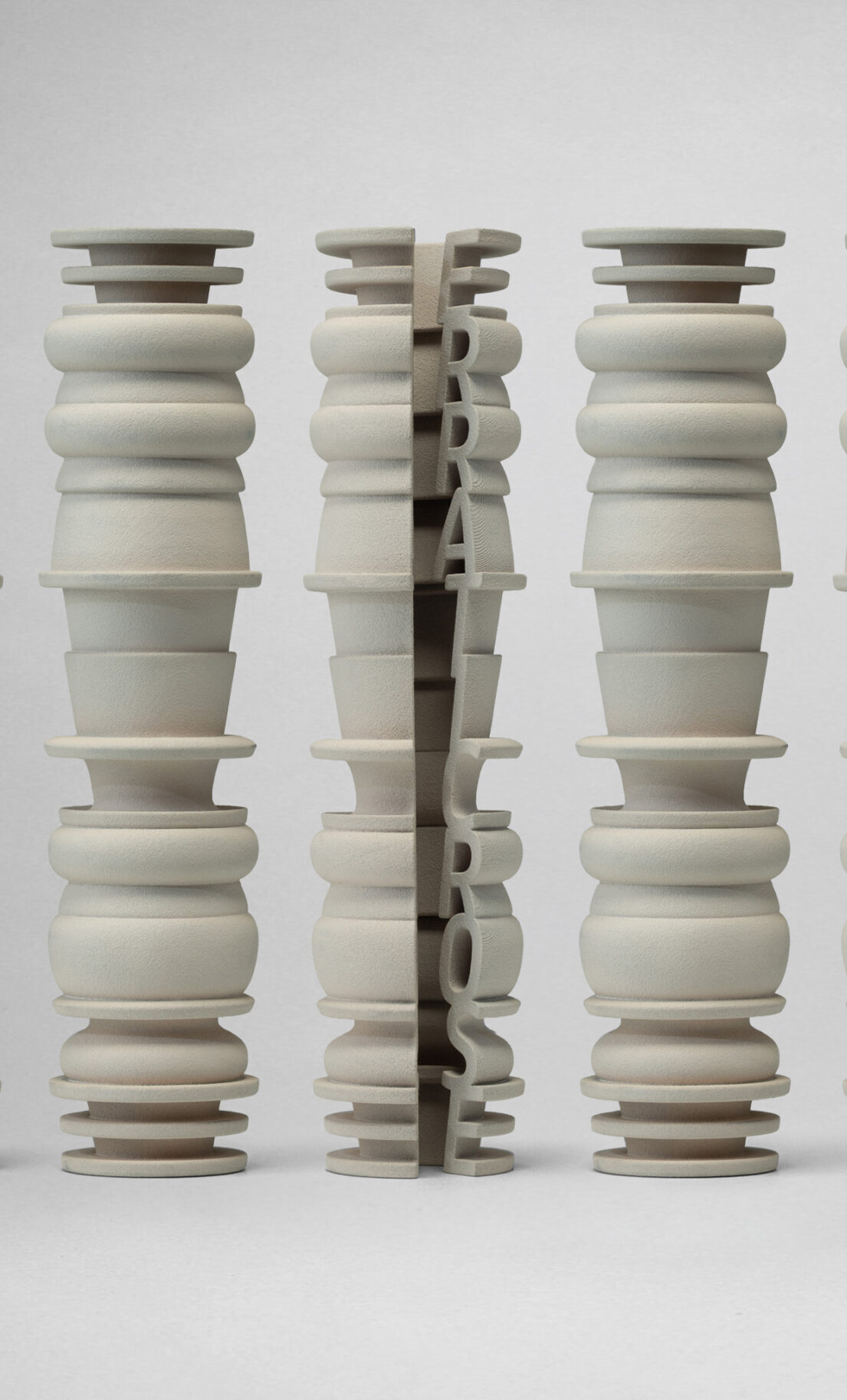
Erratic Rose 2026, dyed nylon, edition of 25, 230 x 54 x 54 mm $550
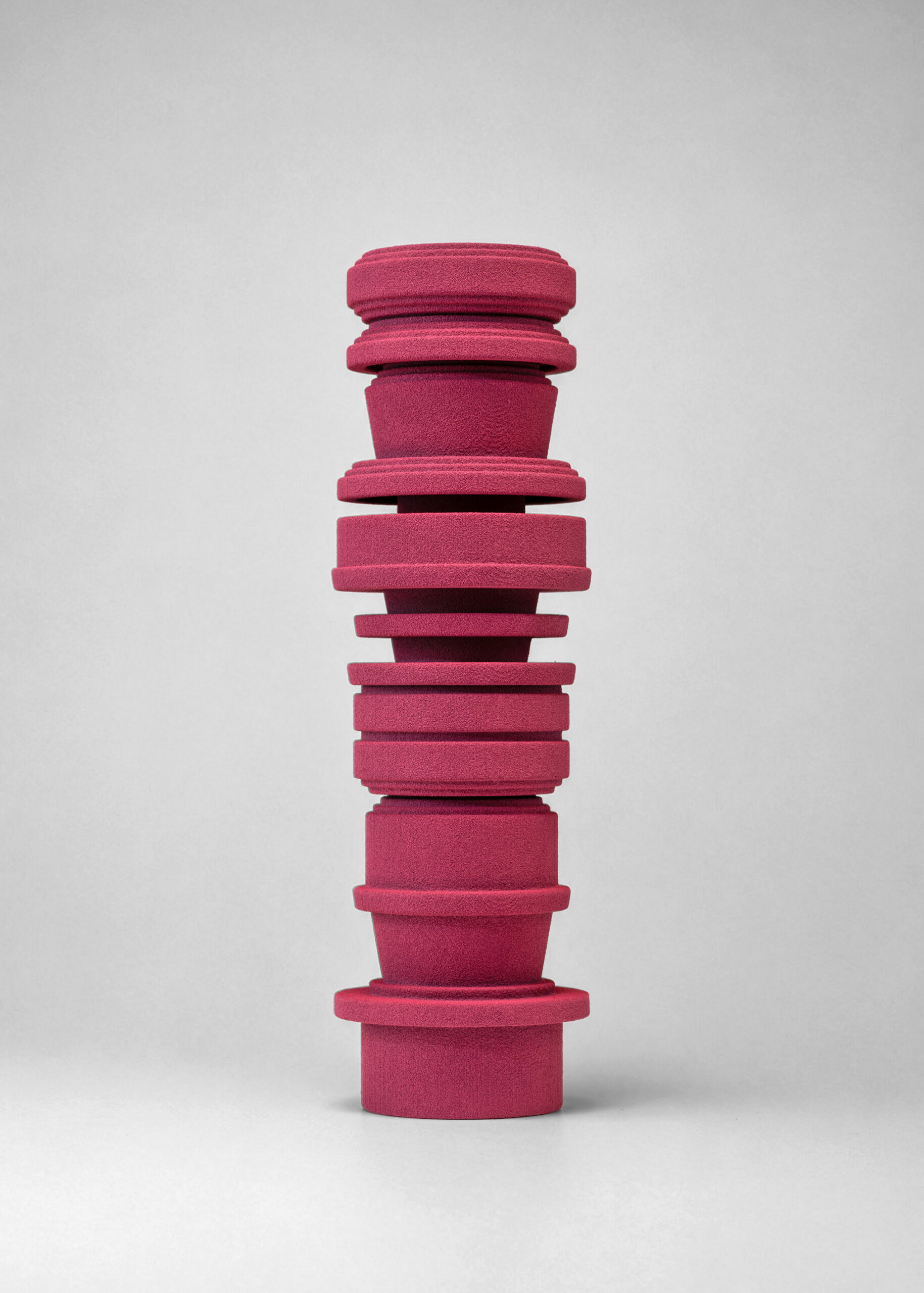
Ragebait 2026, coated quartz sand, edition of 5, 302 x 92 x 92 mm [front view] $2800
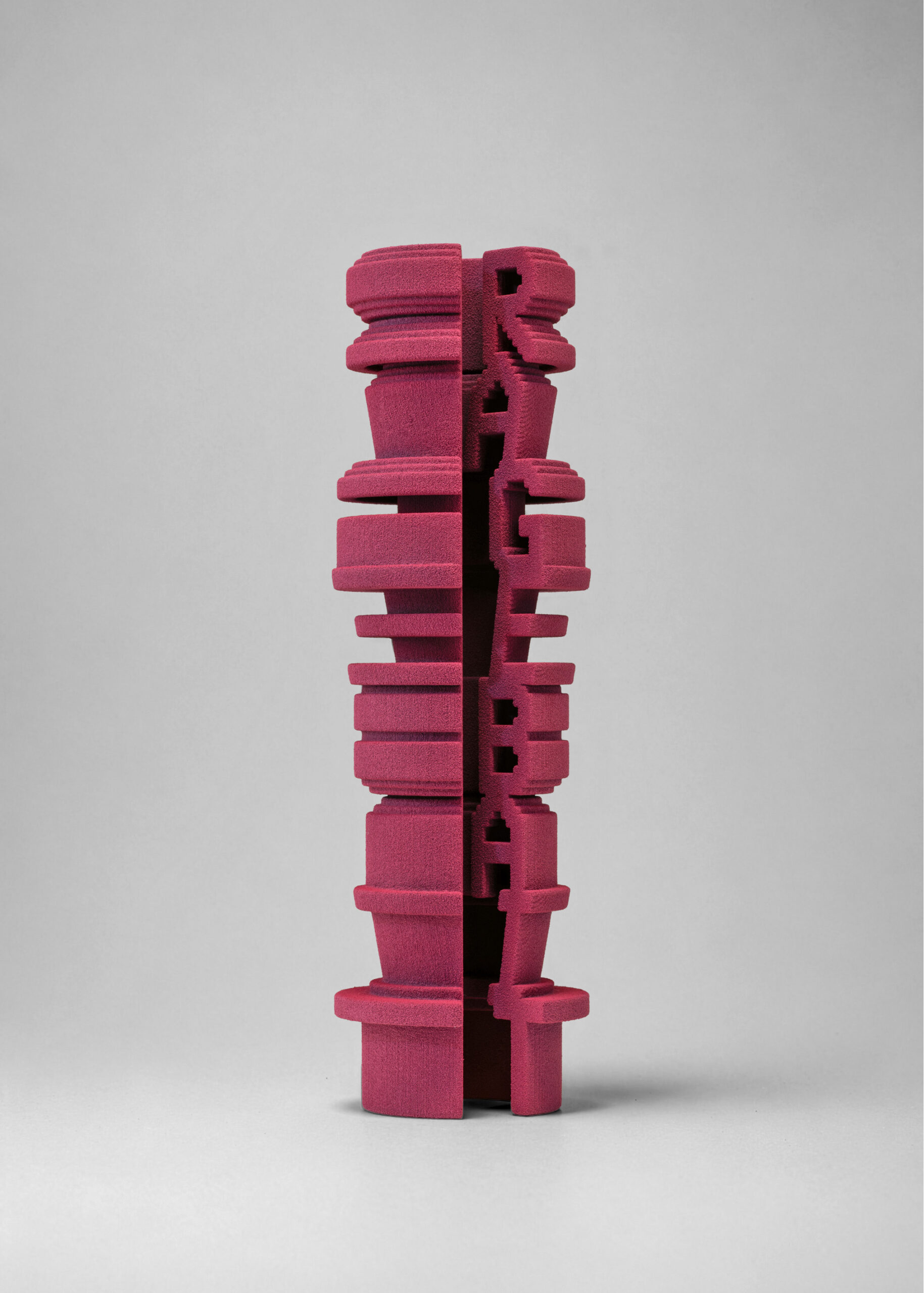
Ragebait [word view]
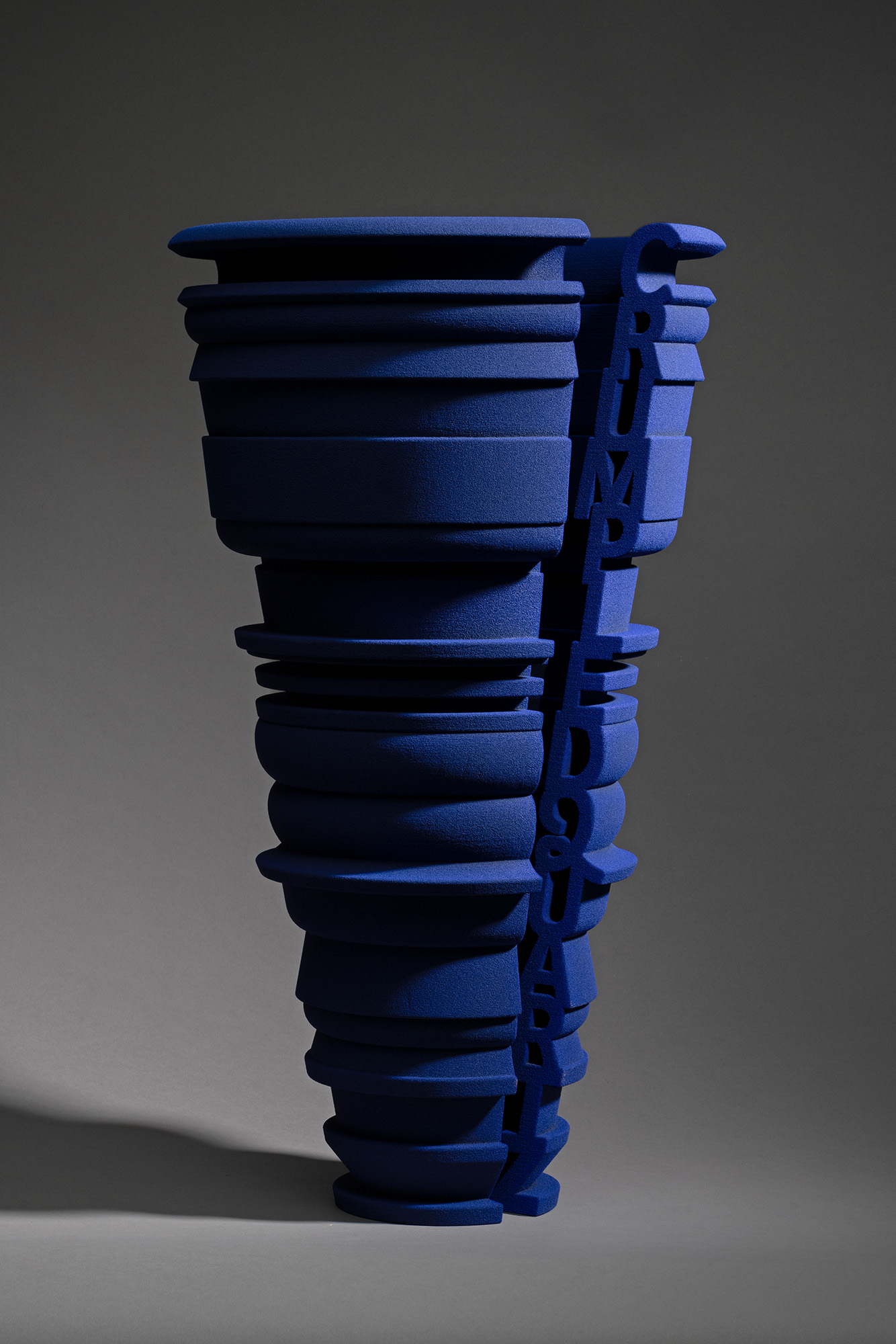
Crumpled Quartz [word view]
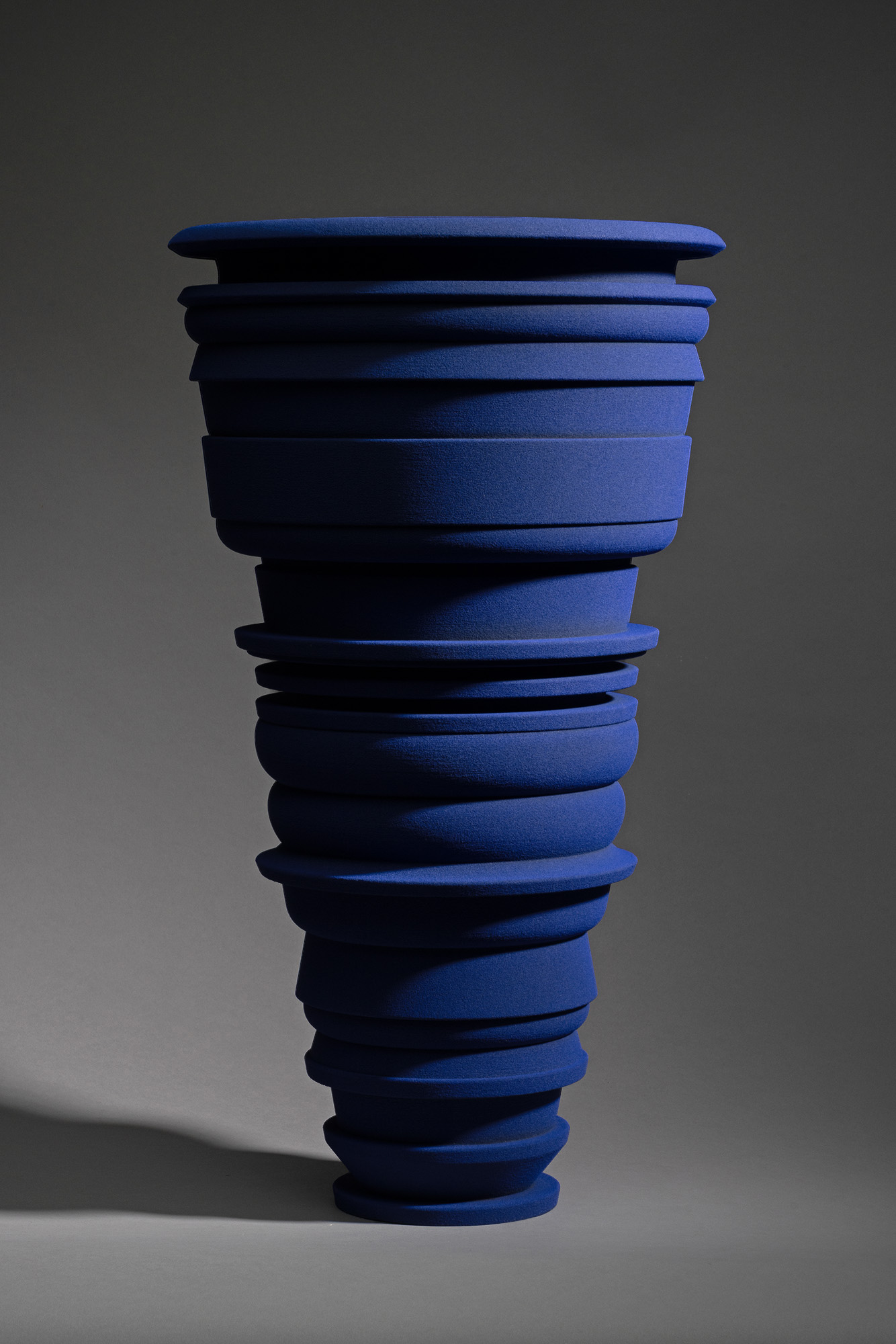
Crumpled Quartz 2025, coated quartz sand, unique work, 520 x 320 x 320 mm [front view] $7500