
Gregor Kregar
Iridescent reflections
30 June – 18 July 2026
Iridescent reflections
30 June – 18 July 2026
Contagious Imagining
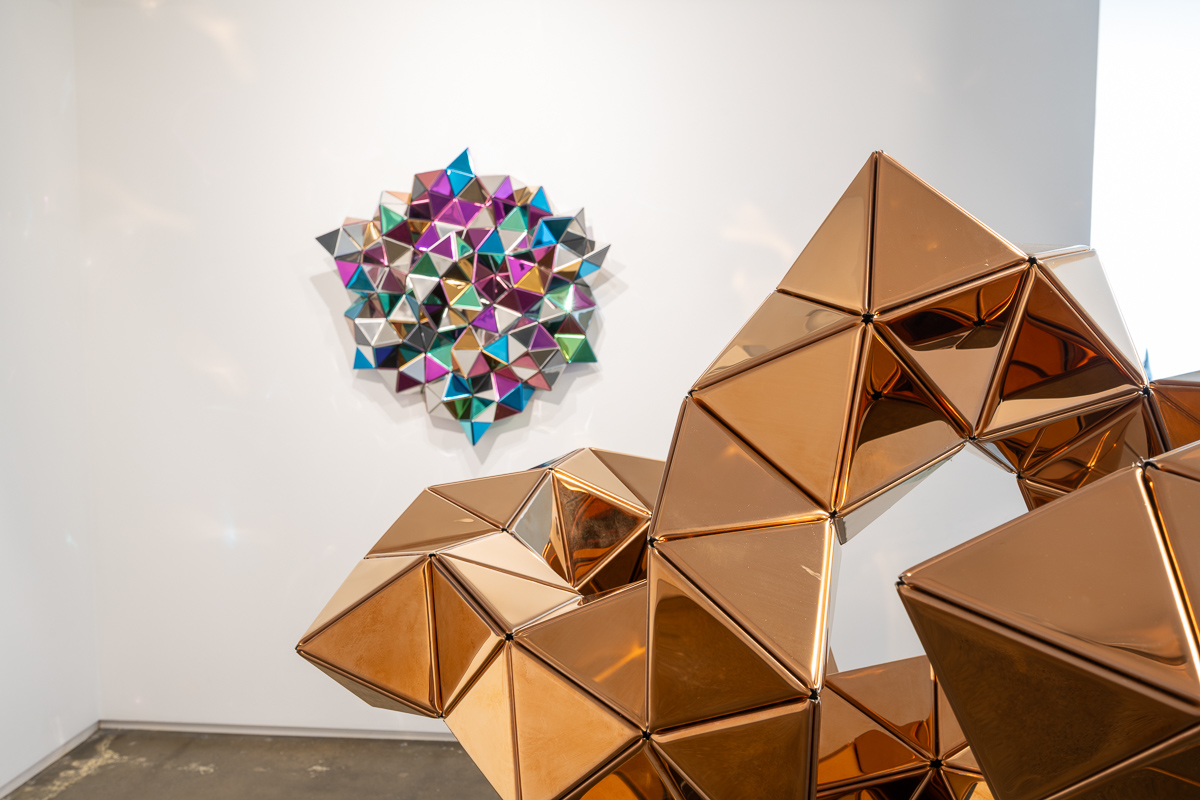
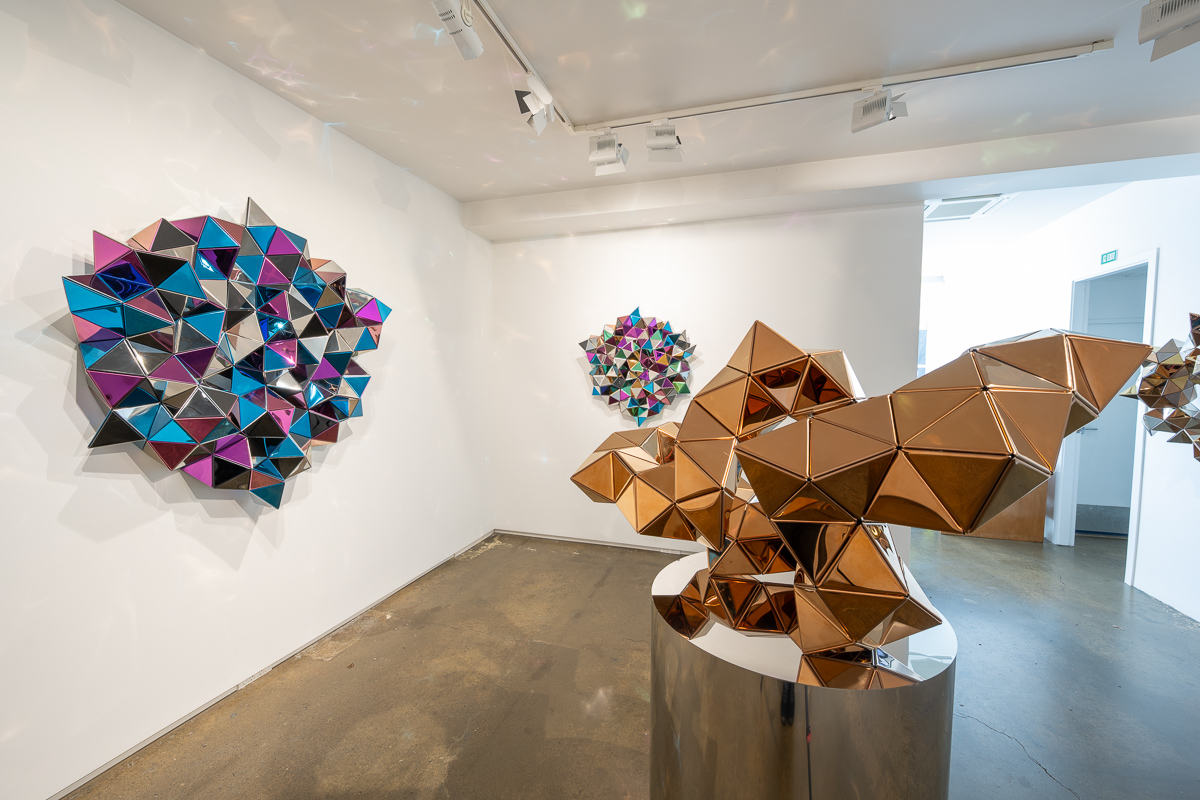
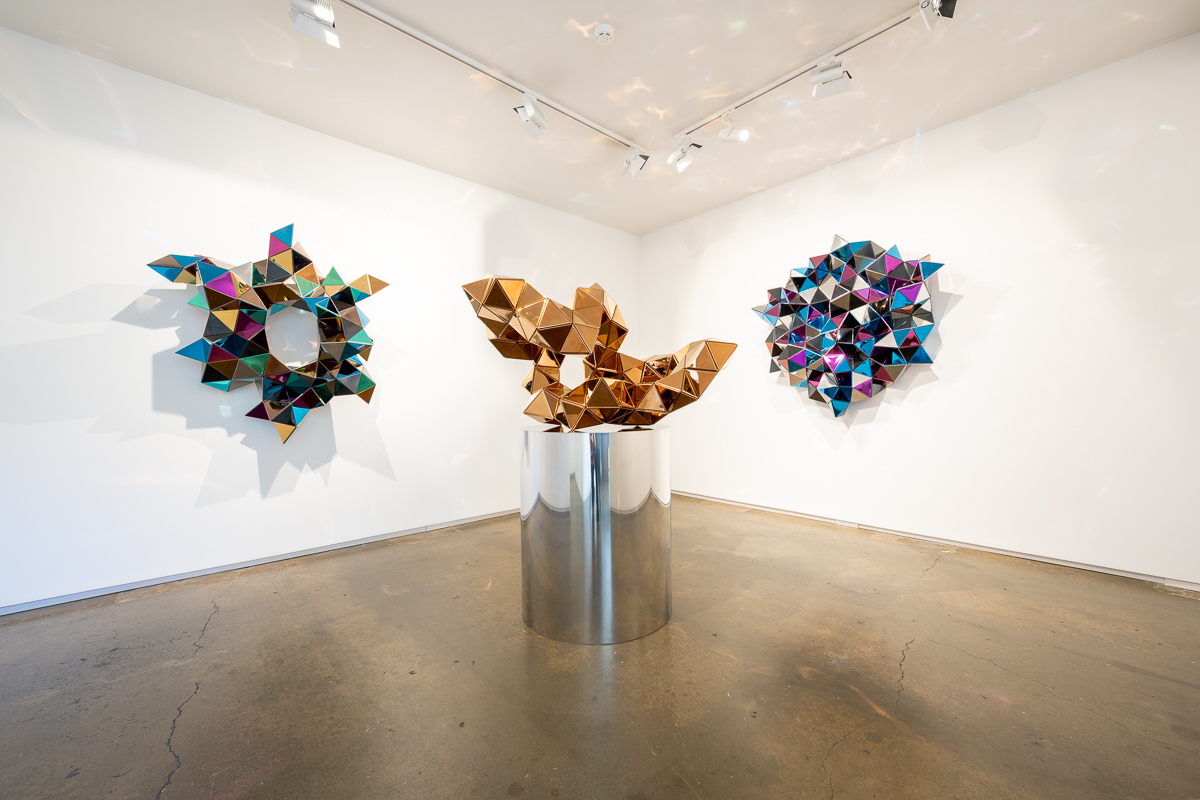
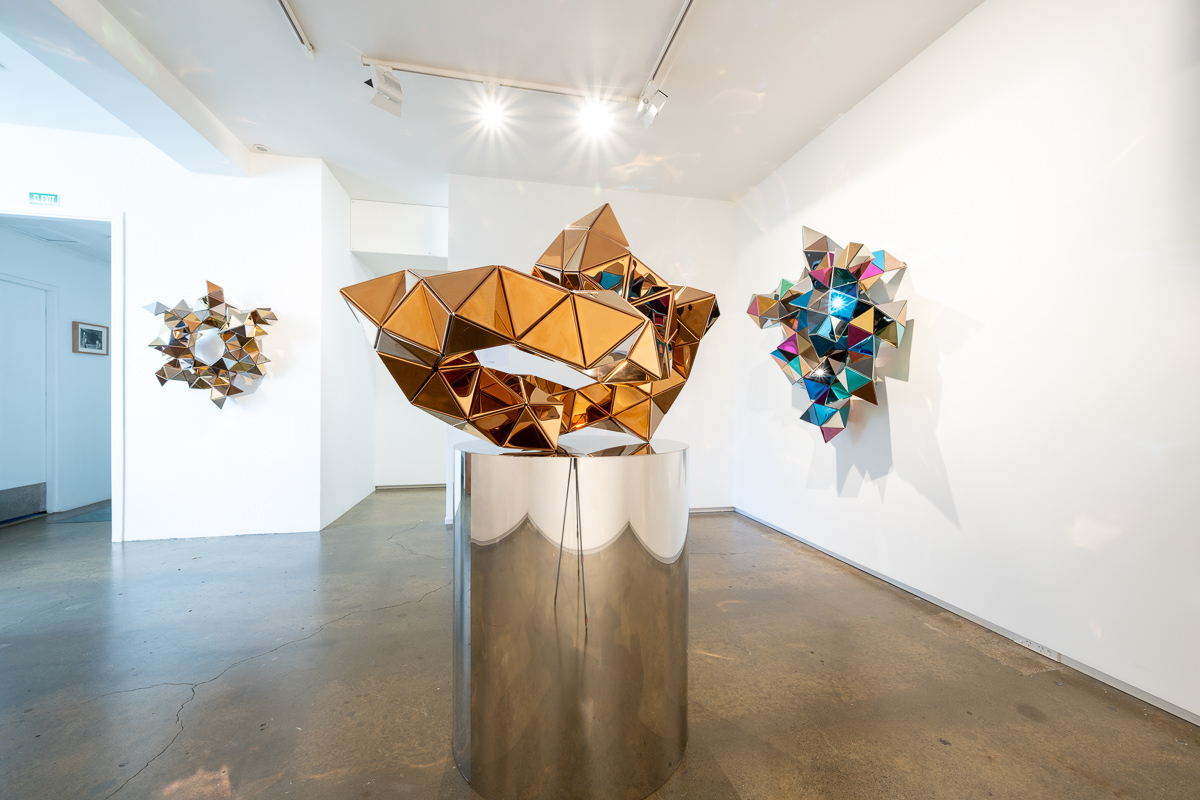
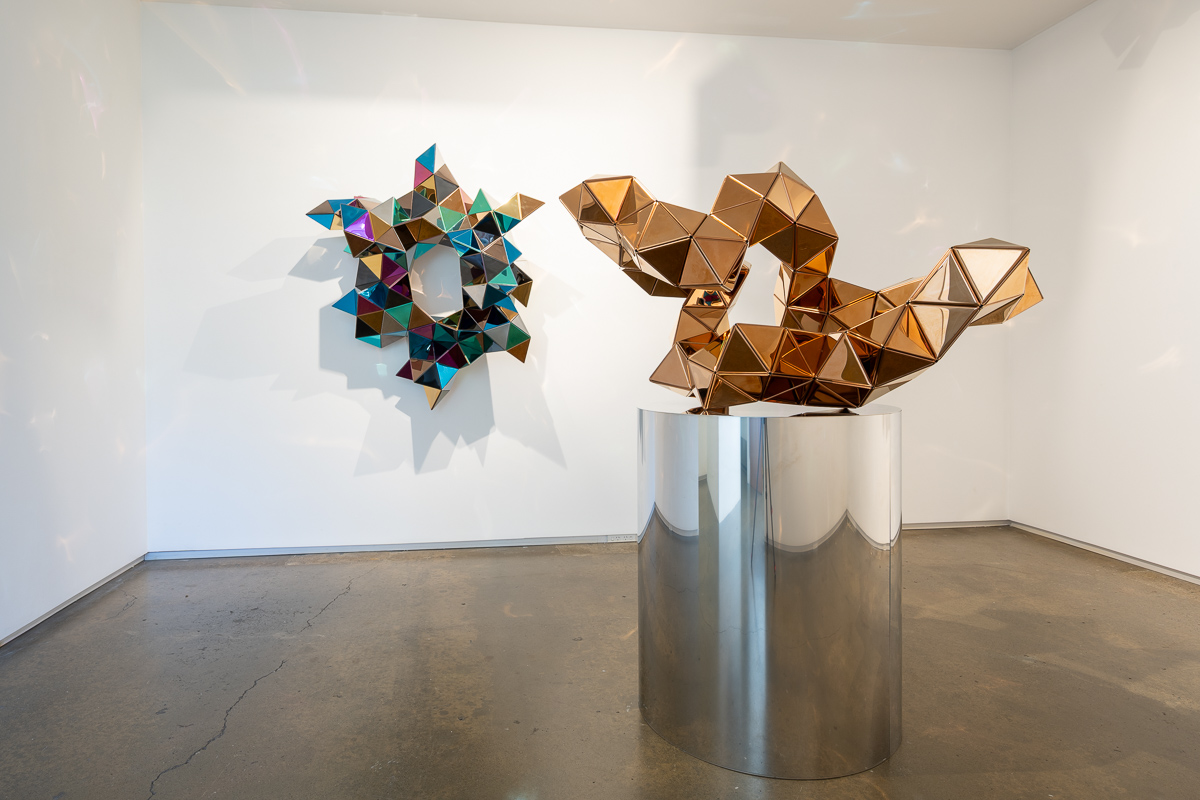
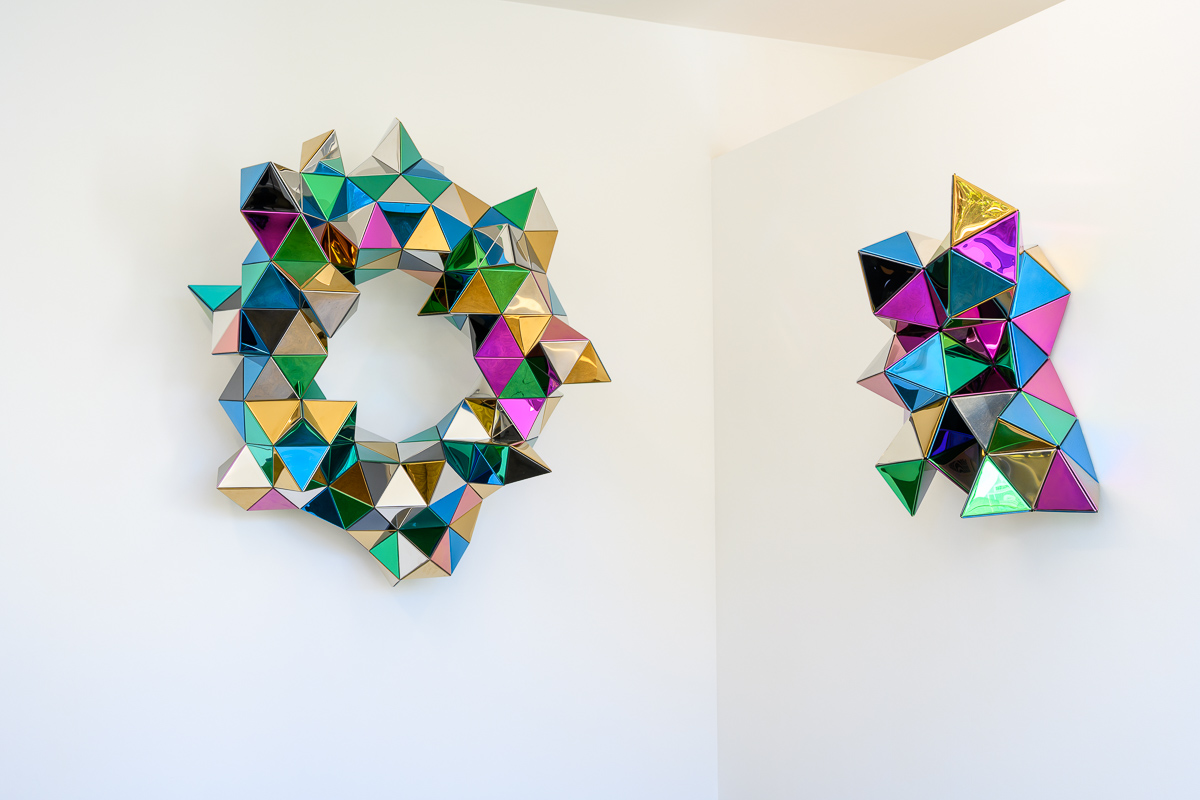
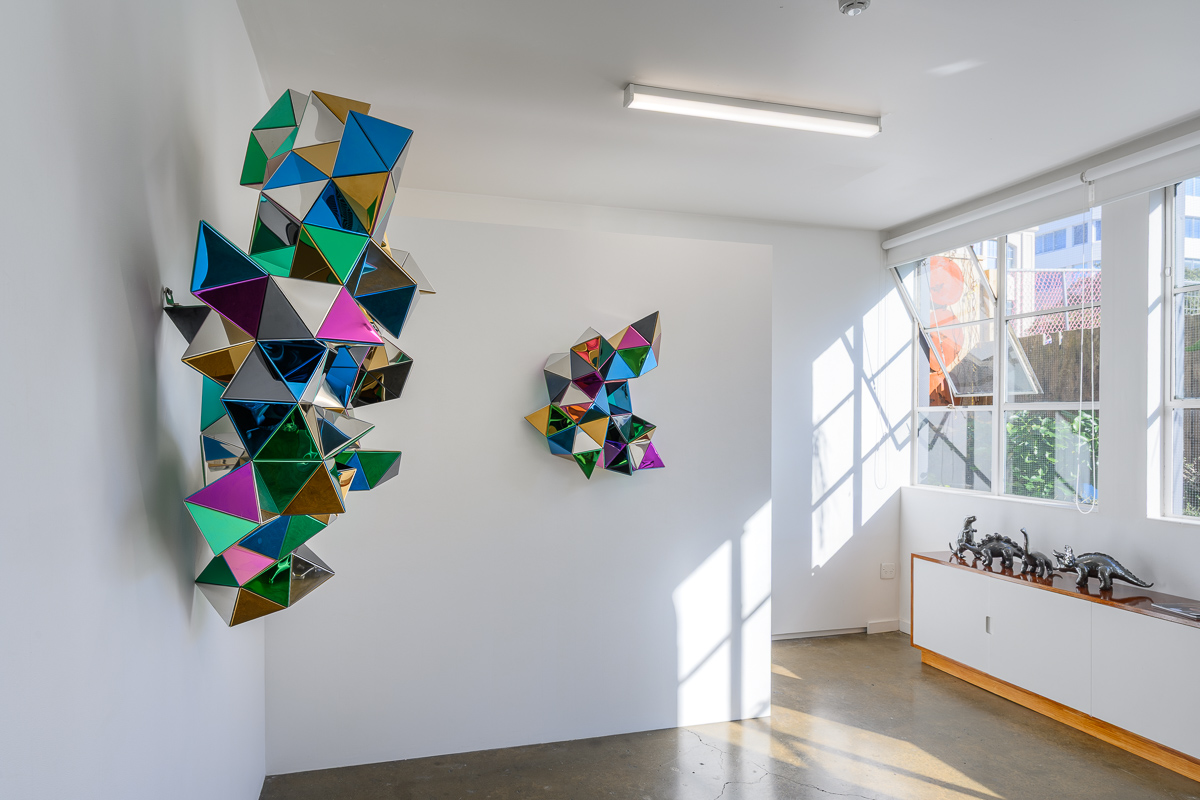
To have one’s head in the clouds is, ordinarily, an accusation of daydreaming and a severe lack of serious attention. Gregor Kregar has spent a career reclaiming the idiom, allowing clouds to become catalysts for reverie and shaping them into a collaboration between atmosphere and imagination. Clouds are among the most familiar and elusive forms in nature. At once ordinary and extraordinary, they possess a peculiar presence. Kregar’s cloud sculptures grow out of this tension. Suspended between observation and invention, they translate the fleeting language of weather into clusters of faceted stainless steel forms, iridescent with titanium treated colour. Their reflective surfaces catch and scatter light, producing shifting fields and awakening a human impulse to find meaning within form.
Constructed from identical geometric components and assembled by hand through an act of patient, Sisyphean repetition, the sculptures draw upon mathematical principles that describe how matter takes on form: bubbles, foams, crystals and clouds of gas. At first glance, they might be mistaken for elaborate disco balls, their dazzling surfaces concealing the rigour of their construction. But beneath the aesthetic seduction is a precise geometry, one that holds a more unsettled image. In fractured form, it offers a portrait of a world increasingly shaped by polarisation, competing realities, and identities that no longer sit easily within a single frame
Shaped by the turbulence of twentieth century Slovenia, Kregar came of age during a period of rapid fragmentation that produced a social and psychic environment in which meaning itself became unstable. Following the collapse of Yugoslavia, systems shifted, certainties dissolved, institutions rebranded or disappeared overnight, languages and identities were reorganised along newly hardened lines, and the ordinary continuity of public reality could no longer be taken for granted. In such conditions, humour functions as a way of registering contradictions. What emerges is a distinctly dry, often understated irony in which the absurd becomes desperately necessary. Kregar’s work seems to inherit something of that spirit. It resists neat conclusions and tends to appear at the edge of seriousness, and in doing so reveals its own fragility.
The philosopher Slavoj Žižek, also Slovenian, has given perhaps the most explicit theoretical shape to this condition. Žižek is, famously, very funny: a chain-smoking, lisping public intellectual, prone to off-colour jokes and theatrical sniffling into the microphone. His ideas are the product of a failed collective project. From this position, collectivity is not built on unity or agreement, but on pluralism: many voices speaking at once, sometimes in harmony, often in tension, and yet sustaining a shared social world.
What Žižek describes in philosophical terms, Kregar’s sculptures seem to hold physically: systems that do not resolve into unity, but remain open, fragmented, and in motion.
Throughout human history, we have turned to the sky and found animal forms in the canvas of the clouds, a phenomenon known as pareidolia. Yet what appears light and insubstantial is materially immense: a cloud can weigh as much as five hundred thousand kilograms, roughly the equivalent of one hundred elephants.
Gregor Kregar’s clouds initially register as abstract, buoyant forms, their irregular contours suggesting meteorological systems held in suspension. At close range, what previously appears coherent, begins to come apart. The surface gives way to discrete triangular faces, each one acting as a small reflective plane. Light, space, and surrounding bodies are broken and redistributed across its surface. What emerges is a shifting field of partial reflections: the room, through movement, and presence, continually reorganised according to position and perspective. The geometry itself remains exact, but what it produces is never fixed. It changes and reconfigures alongside the viewer. In this sense, the work echoes Žižek’s observation that societies are not held together by consensus, but by the ongoing work of managing contradiction.
This idea resonates in Aotearoa New Zealand, where Bowen Galleries sits only a short walk from Parliament. We are living through uncertain economic and social conditions, where life is often described in terms of exhaustion. The sense of strain is widely felt, though it does not resolve into any collective political narrative. Instead, it circulates unevenly, shaping how value, labour, and attention are understood.
The remedy for this condition may be found in beauty and poetics, which can hold what politics alone often struggles to sustain: contradiction and the unresolved. They make it possible to stay with complexity without flattening it, to keep nuance intact rather than letting it slip into certainty. In doing so, they open a space in which the future can be reimagined, including whatever it is that we continue to look for in the clouds. Clouds invite us into a form of collective imagining, where visions of the world can become shared and contagious, appealing to people’s greater instincts and capacities. Clouds drift and transform, bound to dreaming. Like thoughts moving through air without settling into fixed form. In the end, they are among the oldest and most democratic of phenomena: something everyone shares, and no one owns.
And here we come to the function of art. People are drawn to it and continue to be, because it generates a visceral and curious energy that resists easy explanation. It is precisely this relational asymmetry that makes Gregor Kregar an artist for these unsettled times.
Dina Jezdić
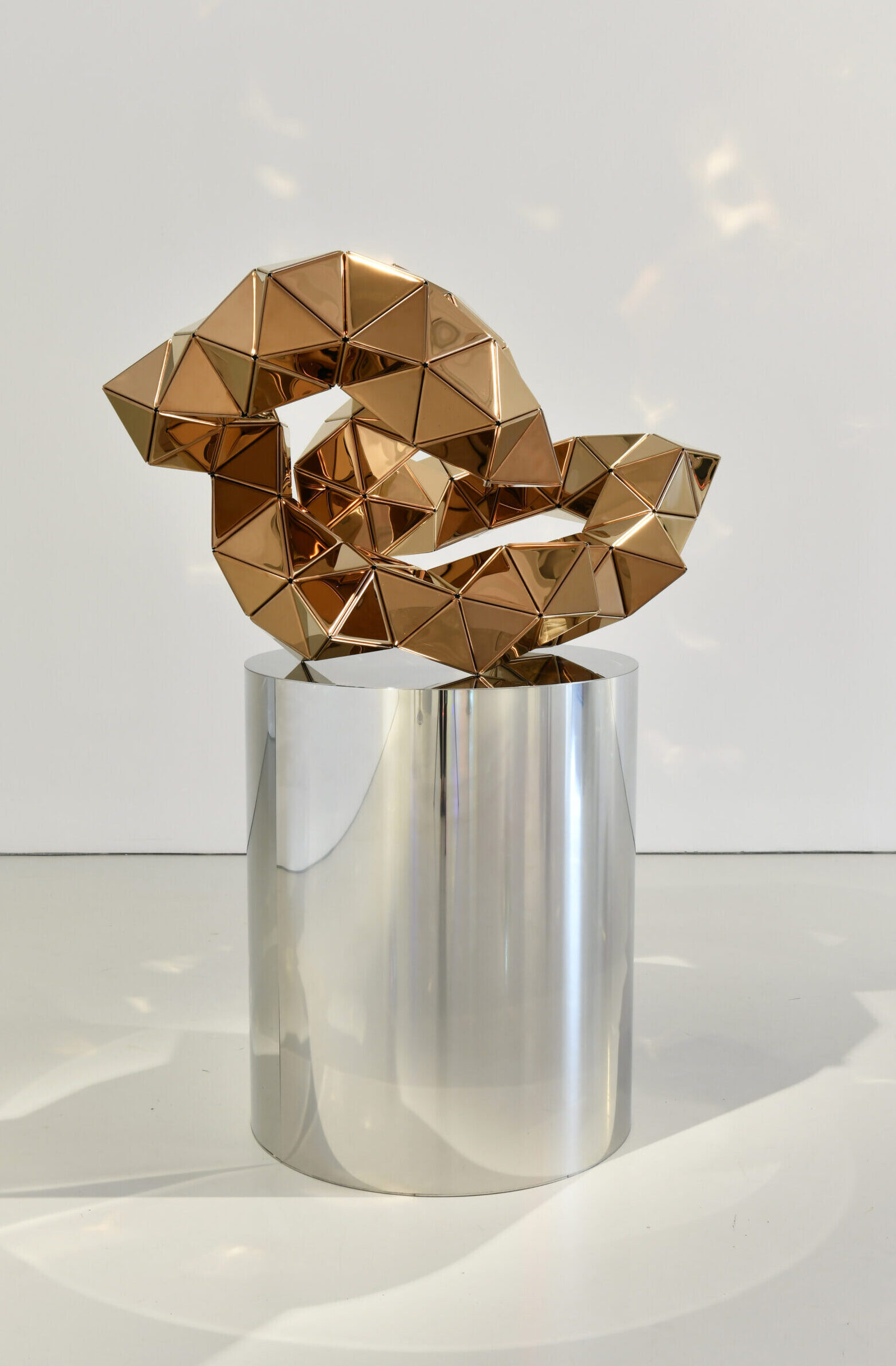
Fractured Geometry, Rose Bronze (2025) titanium coated stainless steel with stainless steel base, sculpture: 1300 x 800 x 750 mm; sculpture: 750 x 750 x 900 mm $33 000
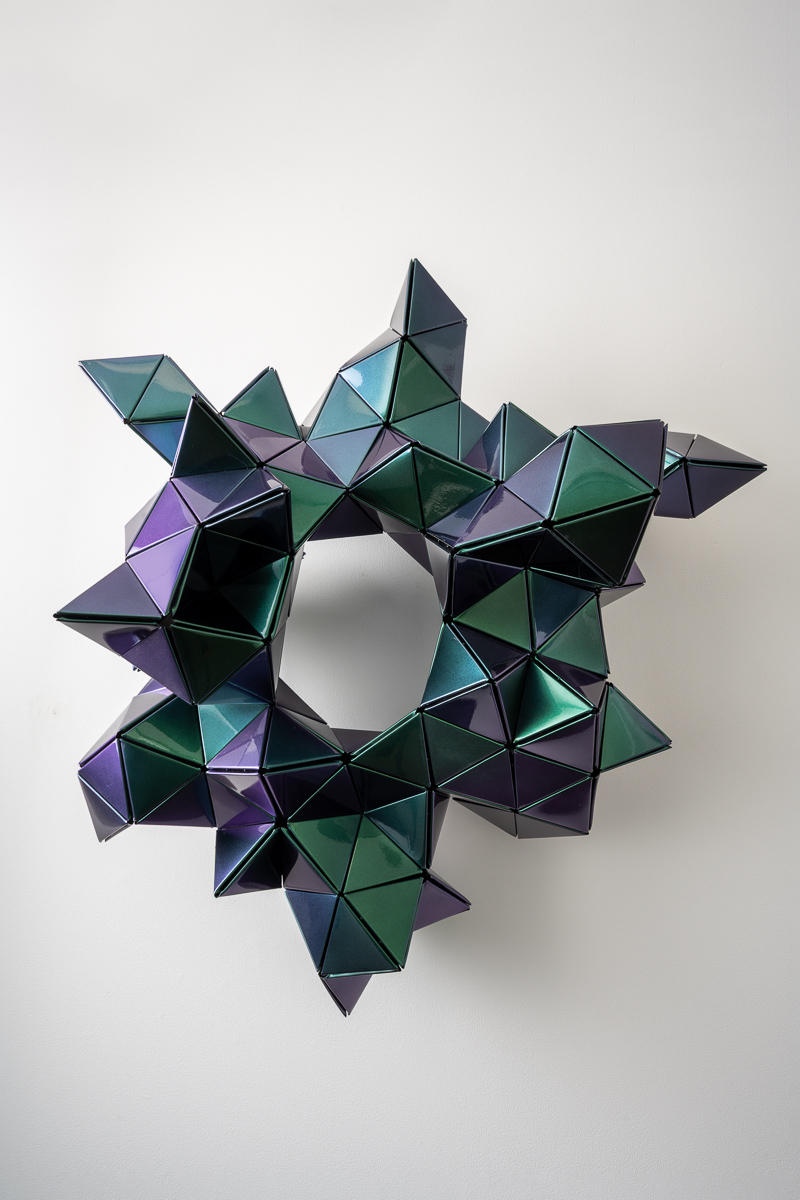
Atomic Cloud #6 (2026), Harlequin automotive paint, aluminium, 840 x 700 x 350 mm, $14 500
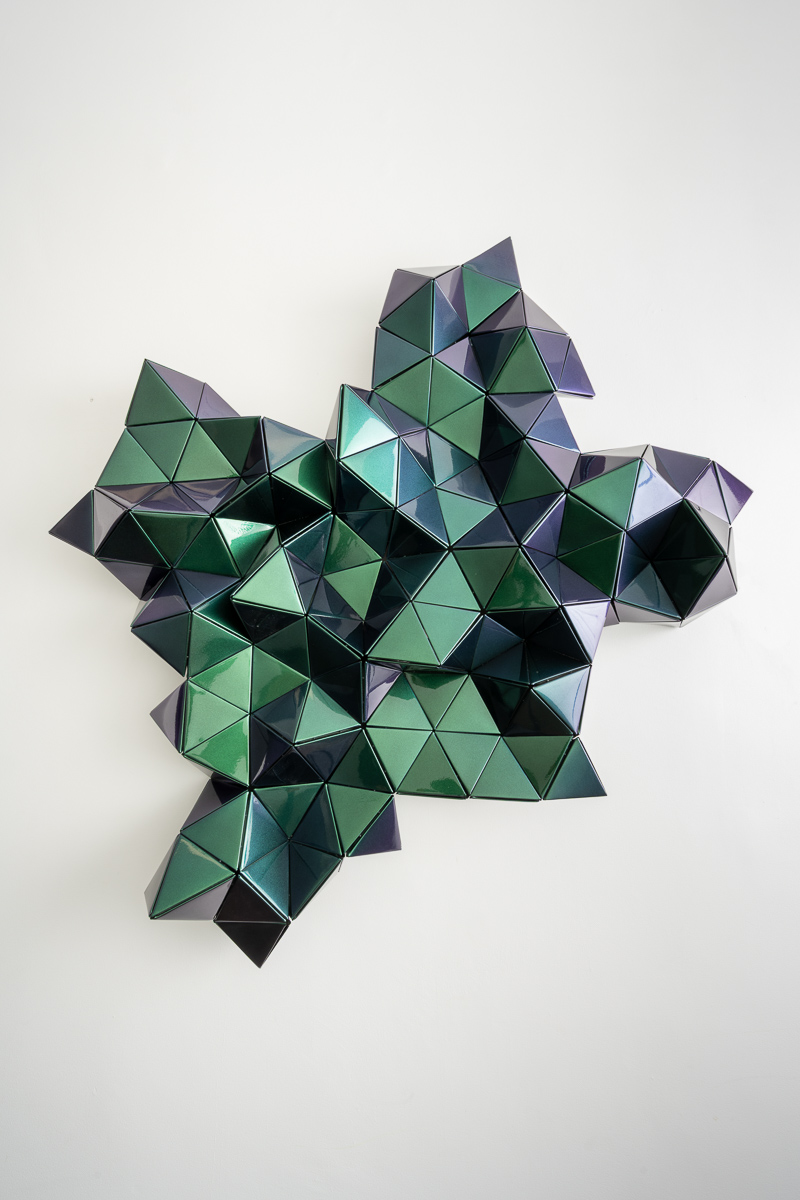
Atomic Cloud #5 (2012-2016), Harlequin automotive paint, aluminium, 1250 x 1050 x 150 mm, $16 000
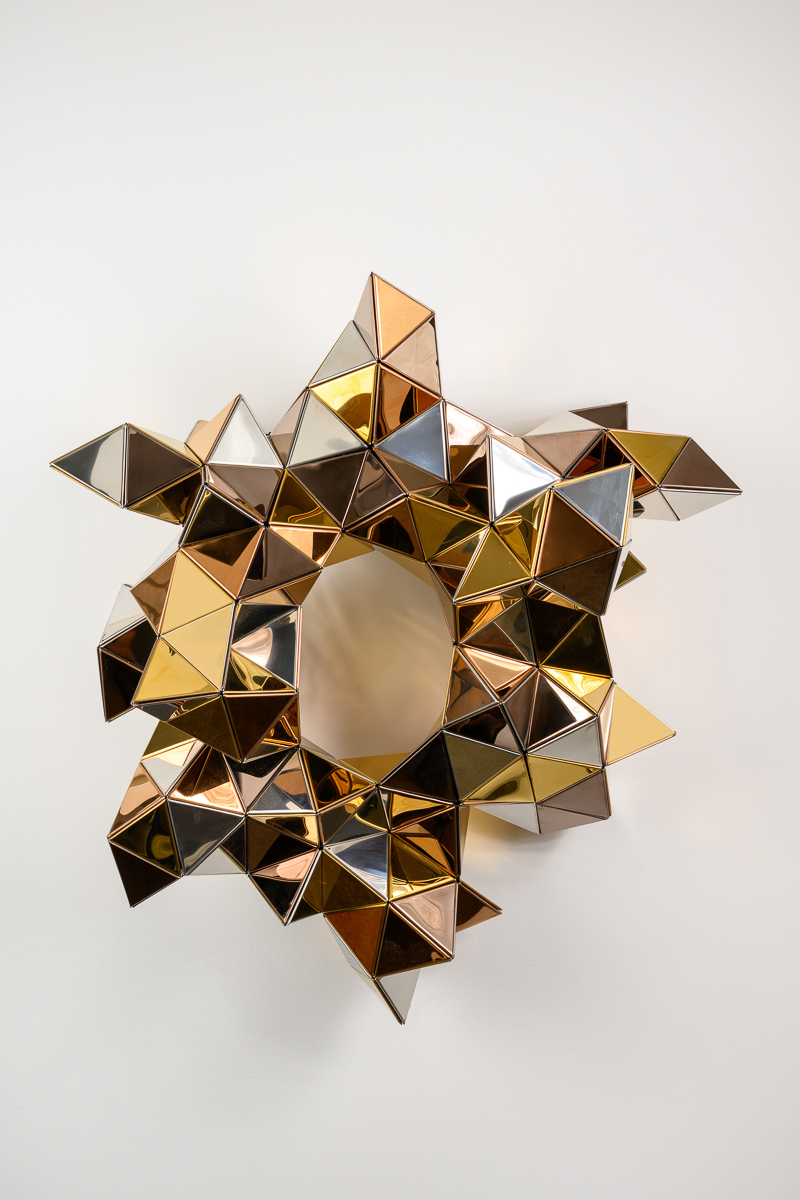
Iridescent Cloud #17 (2026), Titanium coated stainless steel, 950 x 820 x 350 mm, $18 000
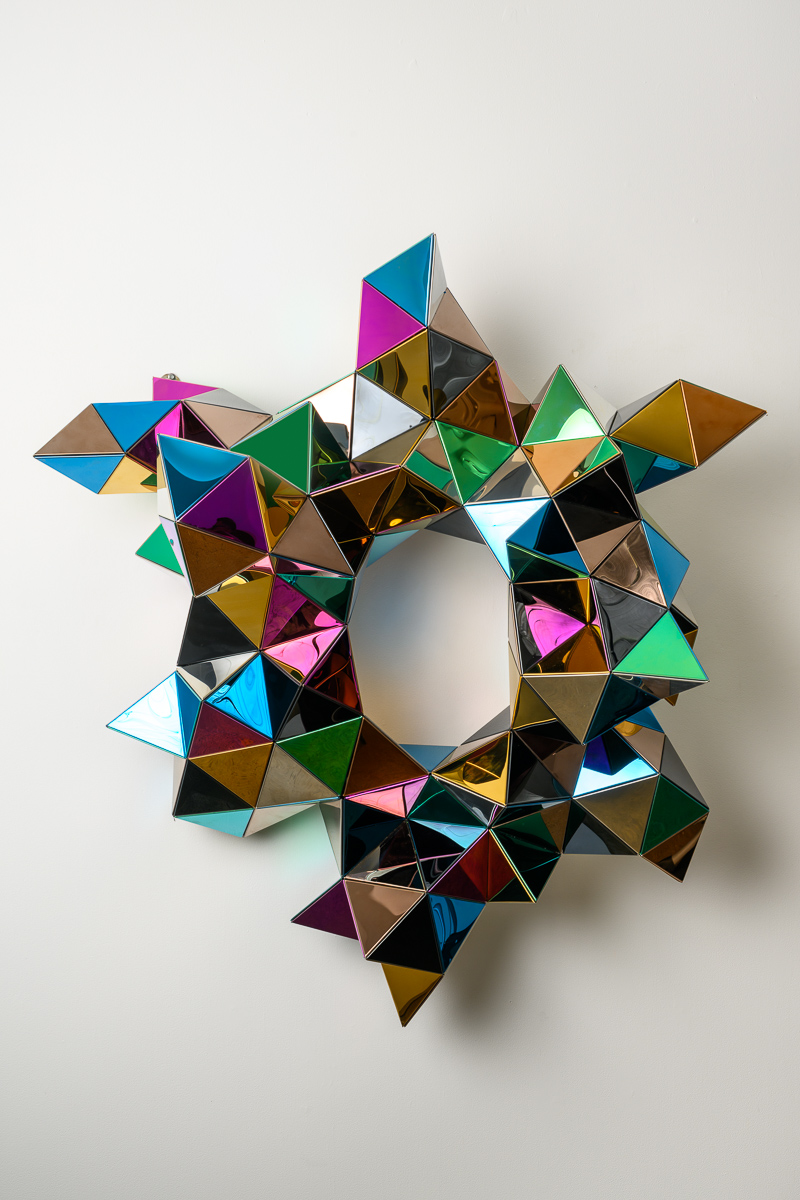
Iridescent Cloud #15 (2026), Titanium coated stainless steel, 1360 x 1160 x 560 mm, $26 000
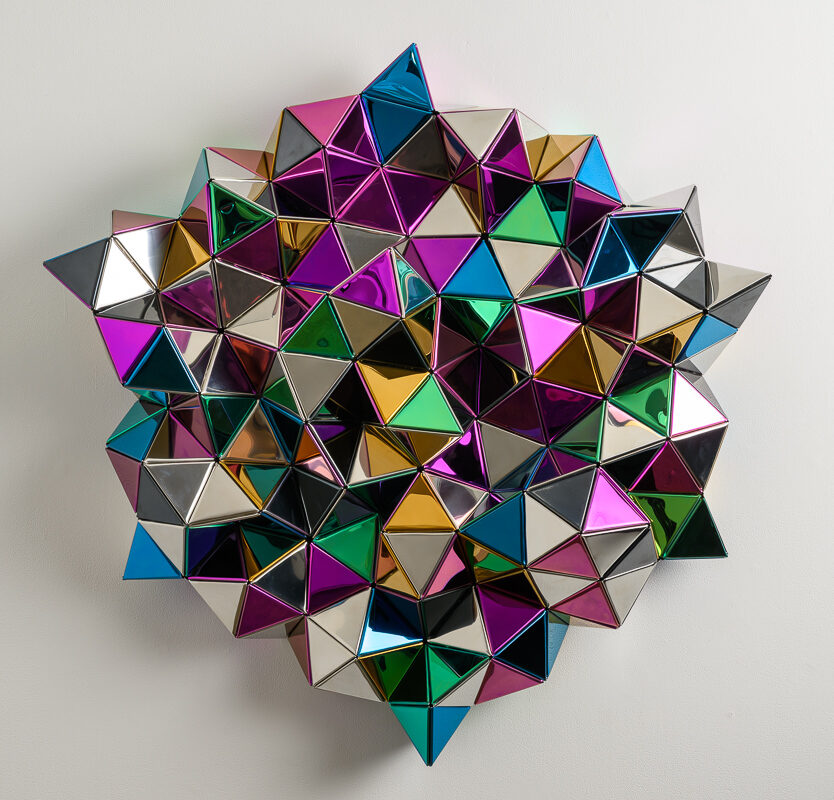
Iridescent Cloud #11 (2025), Titanium coated stainless steel, 980 x 1000 x 2080 mm, $15 500
Iridescent Cloud #11 (2025), Titanium coated stainless steel, 980 x 1000 x 2080 mm, $15 500
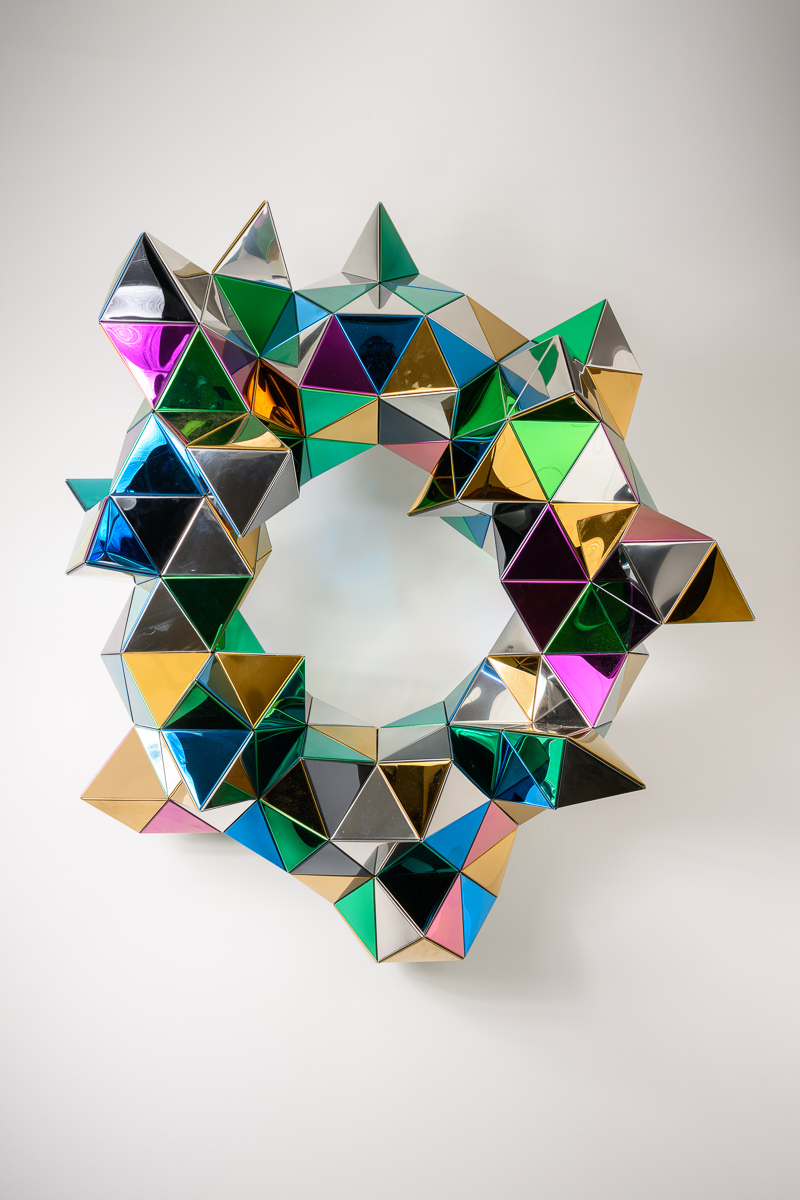
Iridescent Cloud #16 (2026), Titanium coated stainless steel, 1330 x 1150 x 550 mm, $26 000
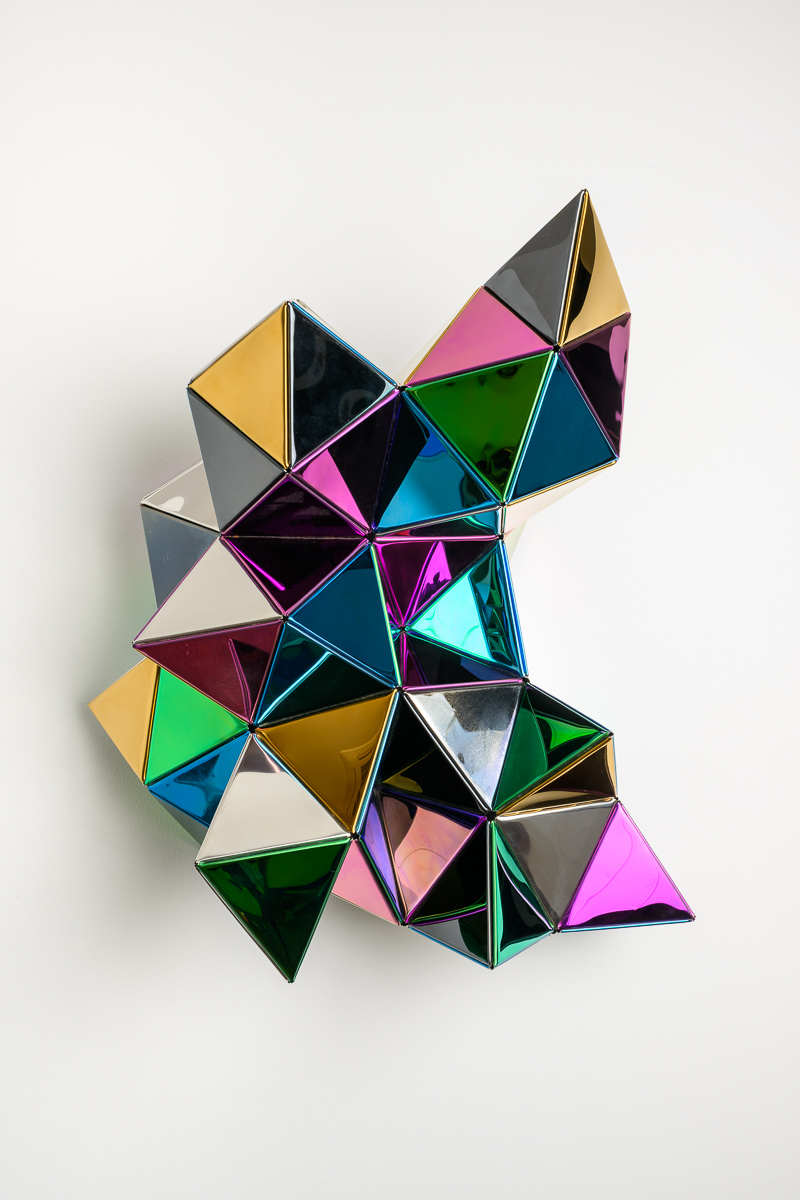
Iridescent Cloud #14 (2026), Titanium coated stainless steel, 850 x 650 x 400 mm, $12 000
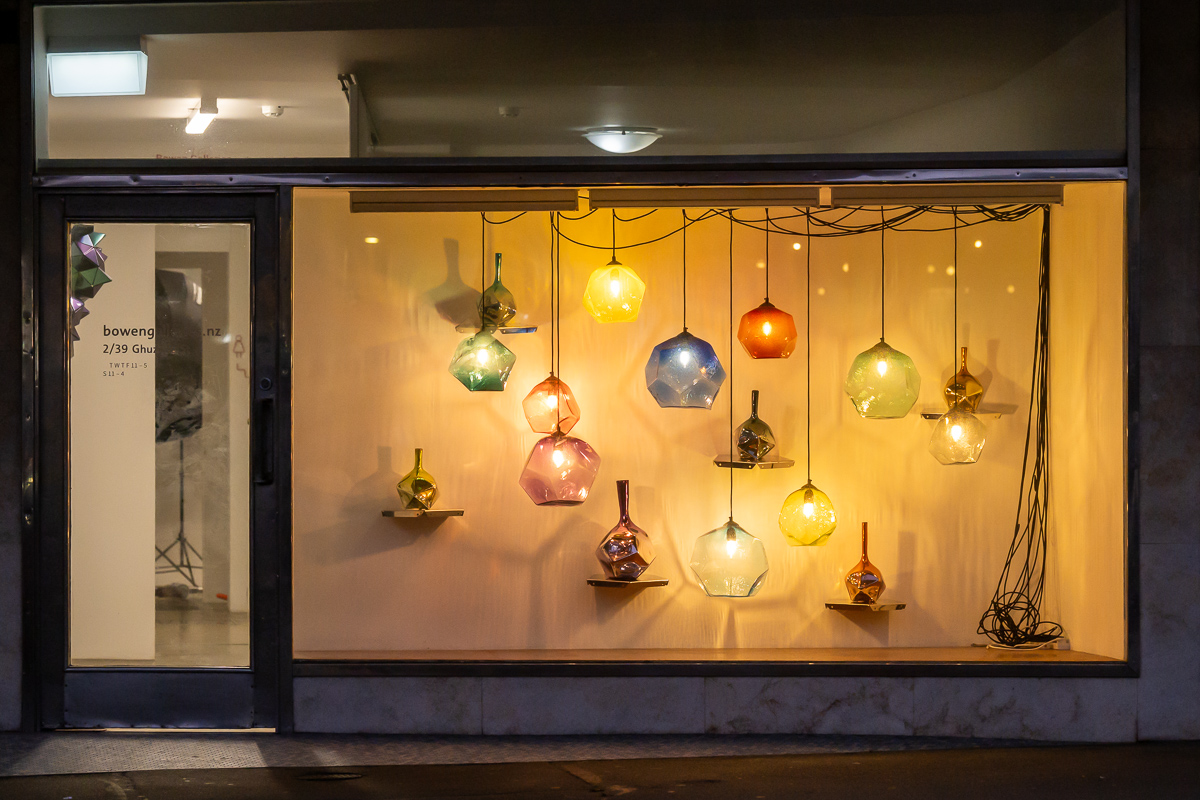
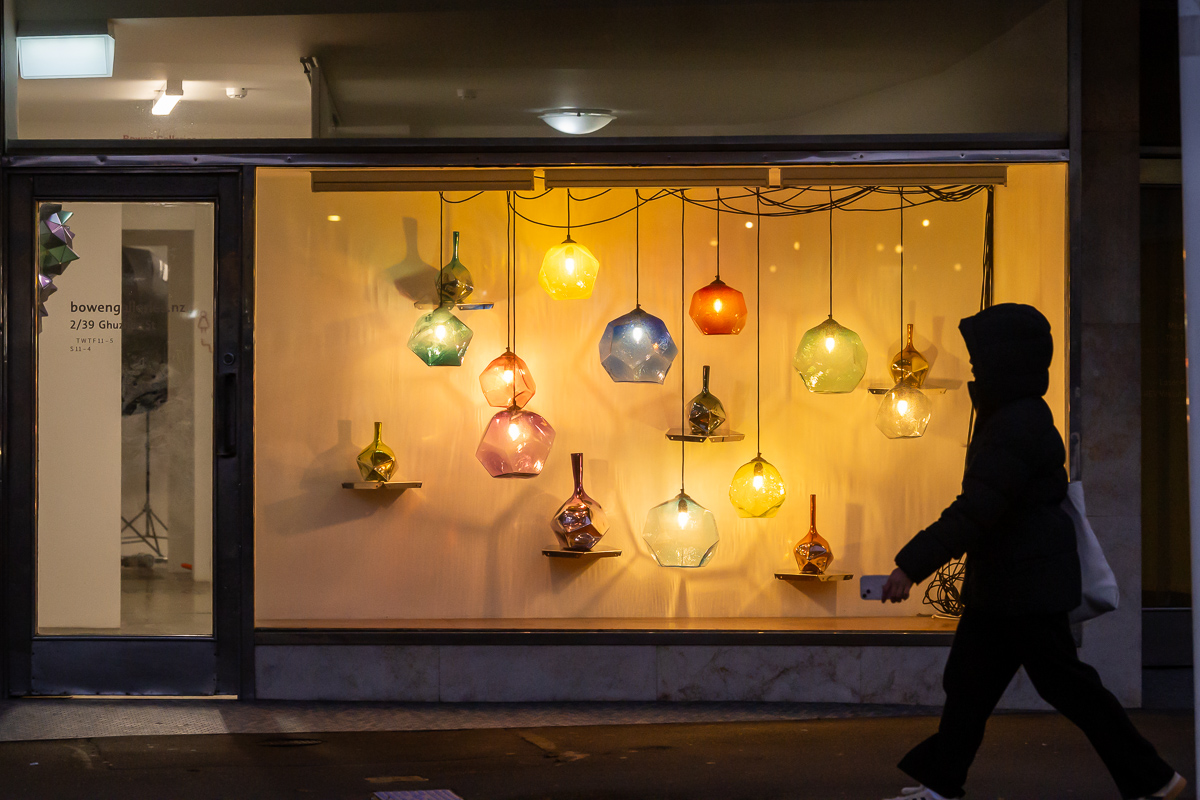
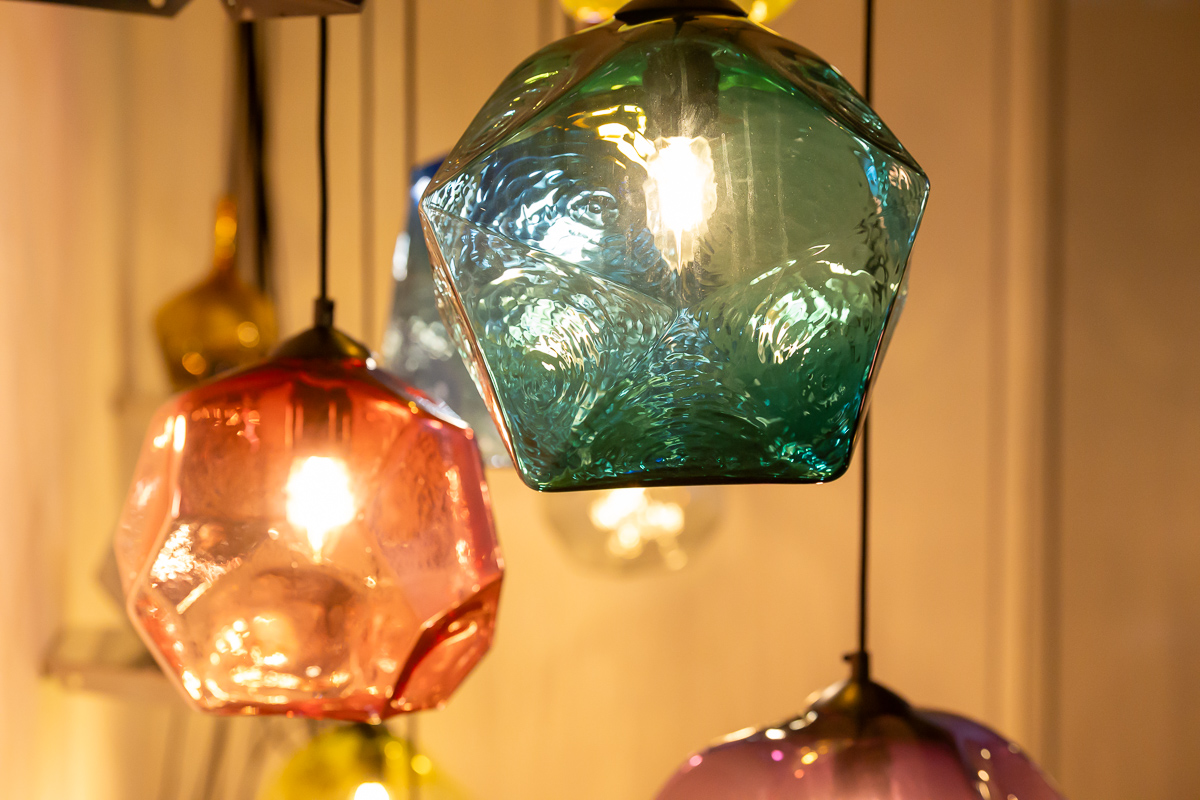
Pendant lights (2026), hand blown glass, small $1800, medium $2200, large $2800
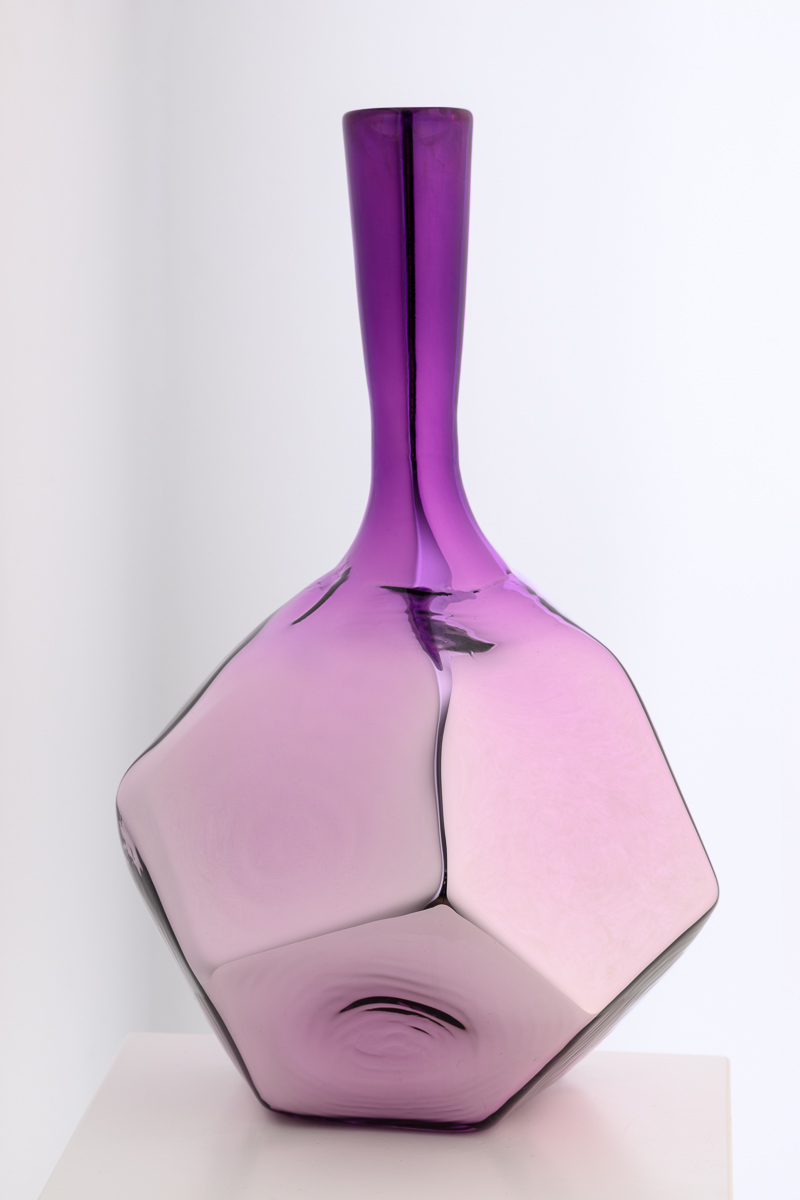
Mirrored vase large (2026), Hand blown glass, 420 x 230 x 230 mm, $3500
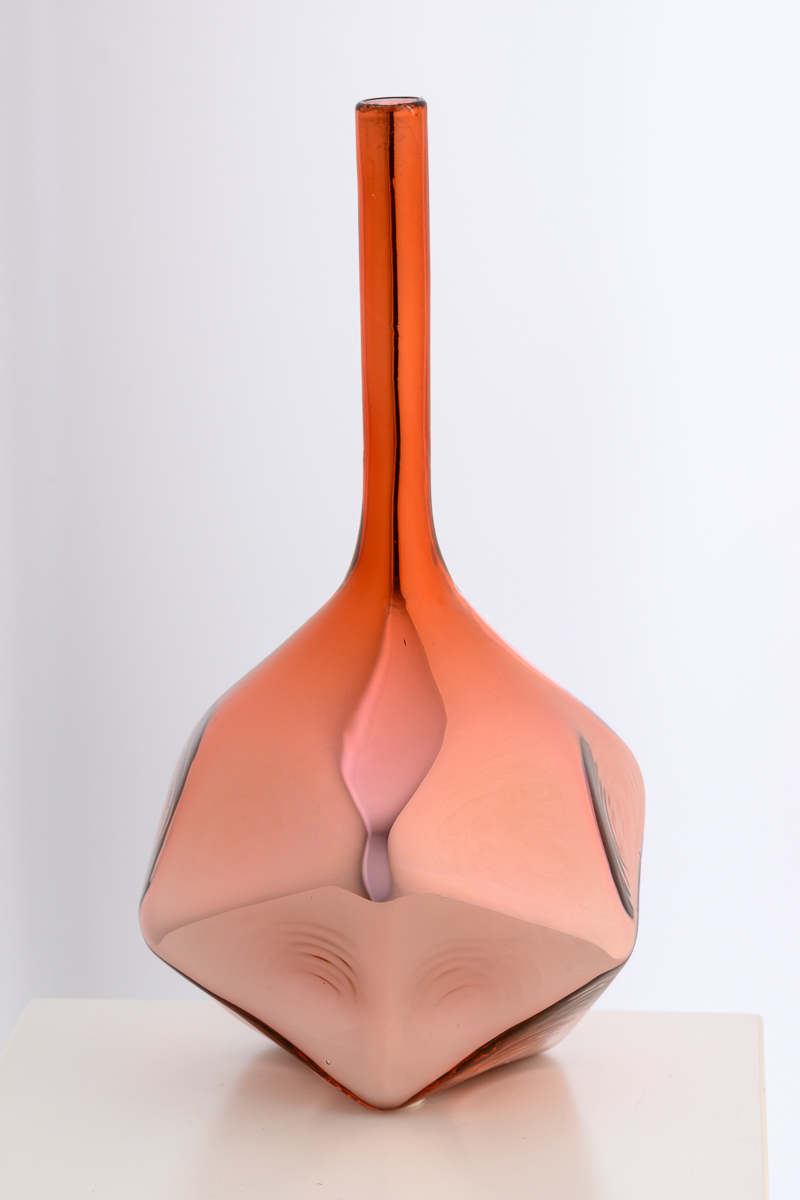
Mirrored vase small (2026), Hand blown glass, 330 x 155 x 155 mm, $2200
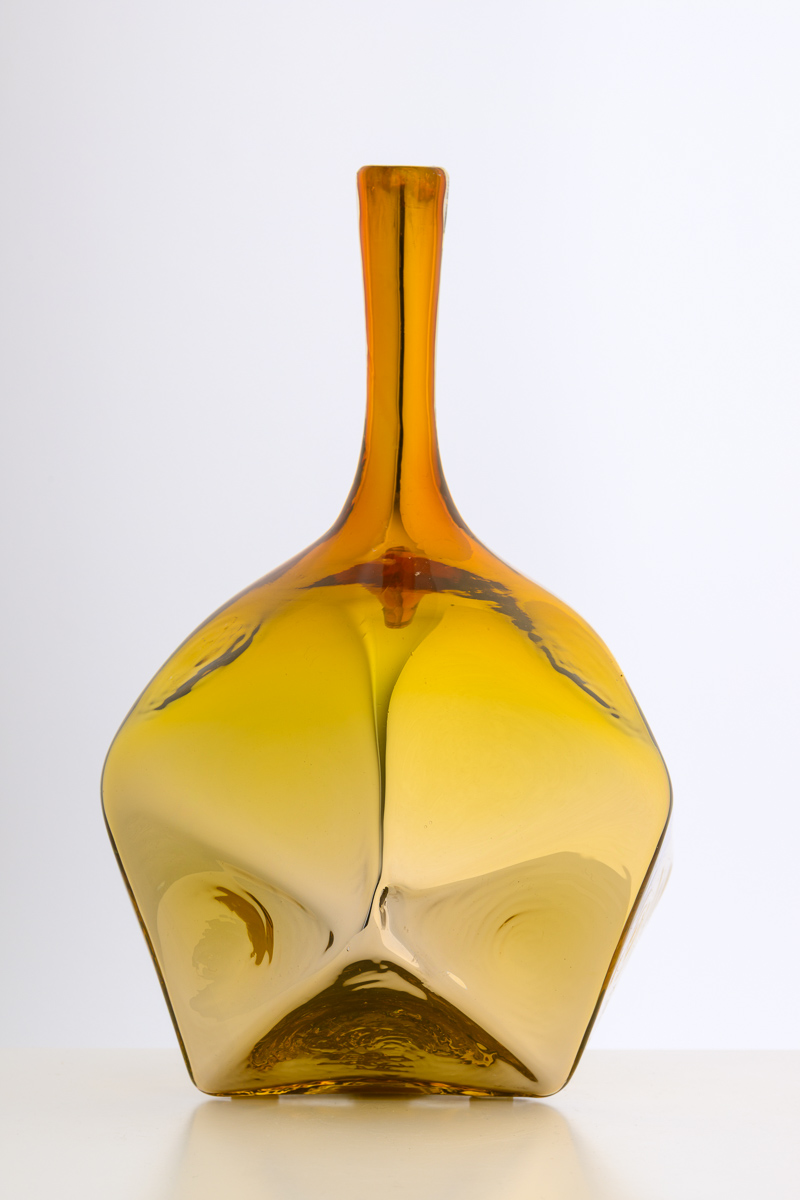
Mirrored vase small (2026), Hand blown glass, 270 x 175 x 175 mm, $2200
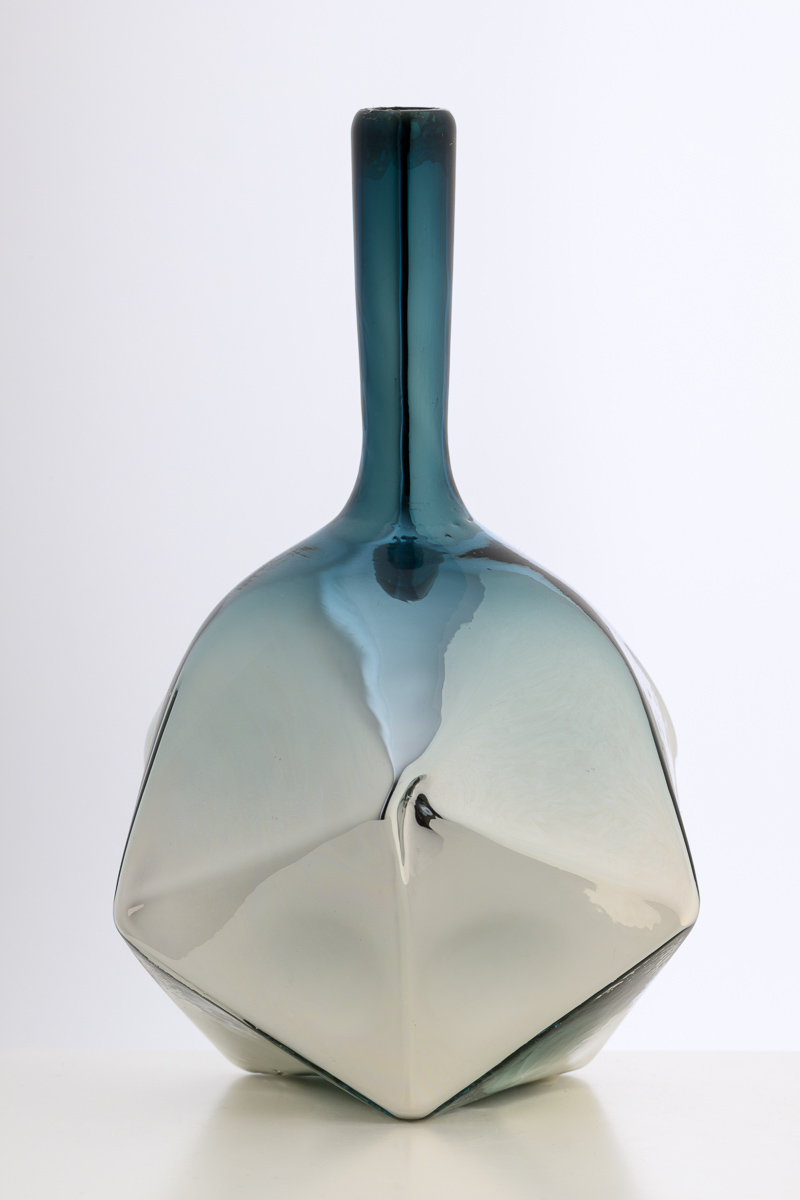
Mirrored vase small (2026), Hand blown glass, 280 x 155 x 155 mm, $2200
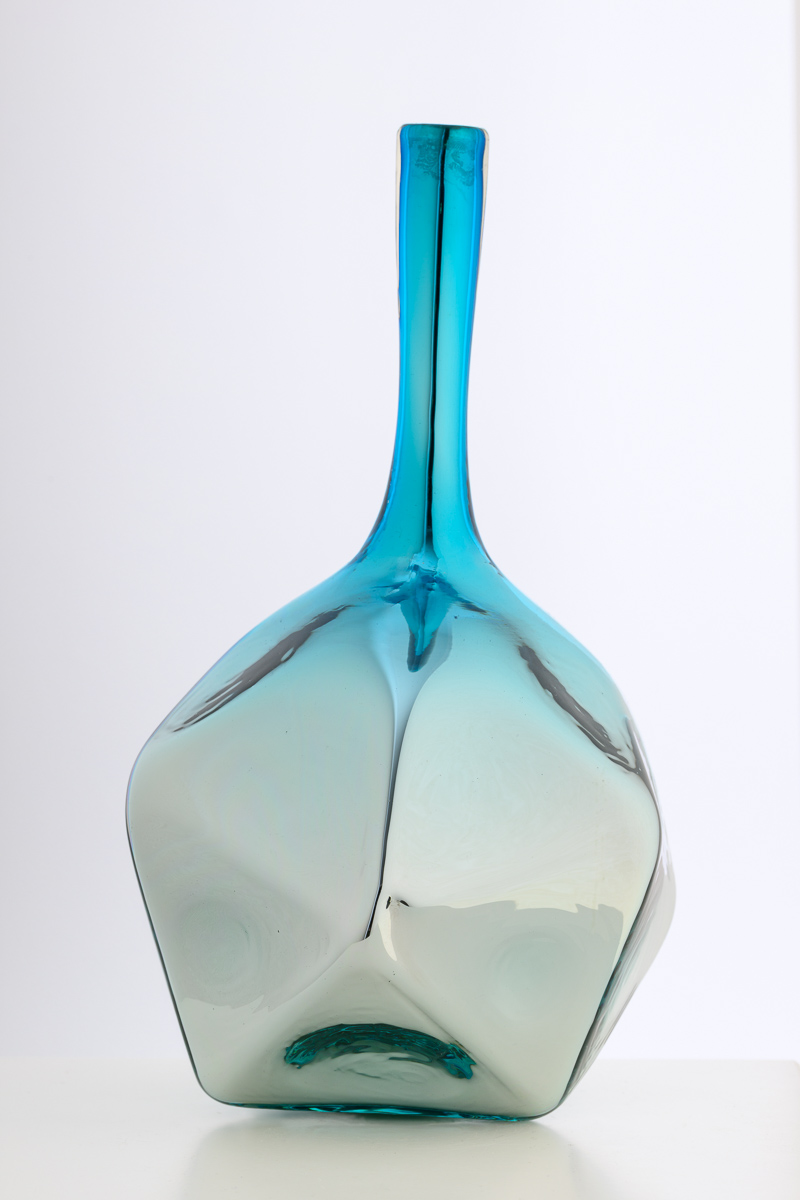
Mirrored vase small (2026), Hand blown glass, 300 x 180 x 180 mm, $2200
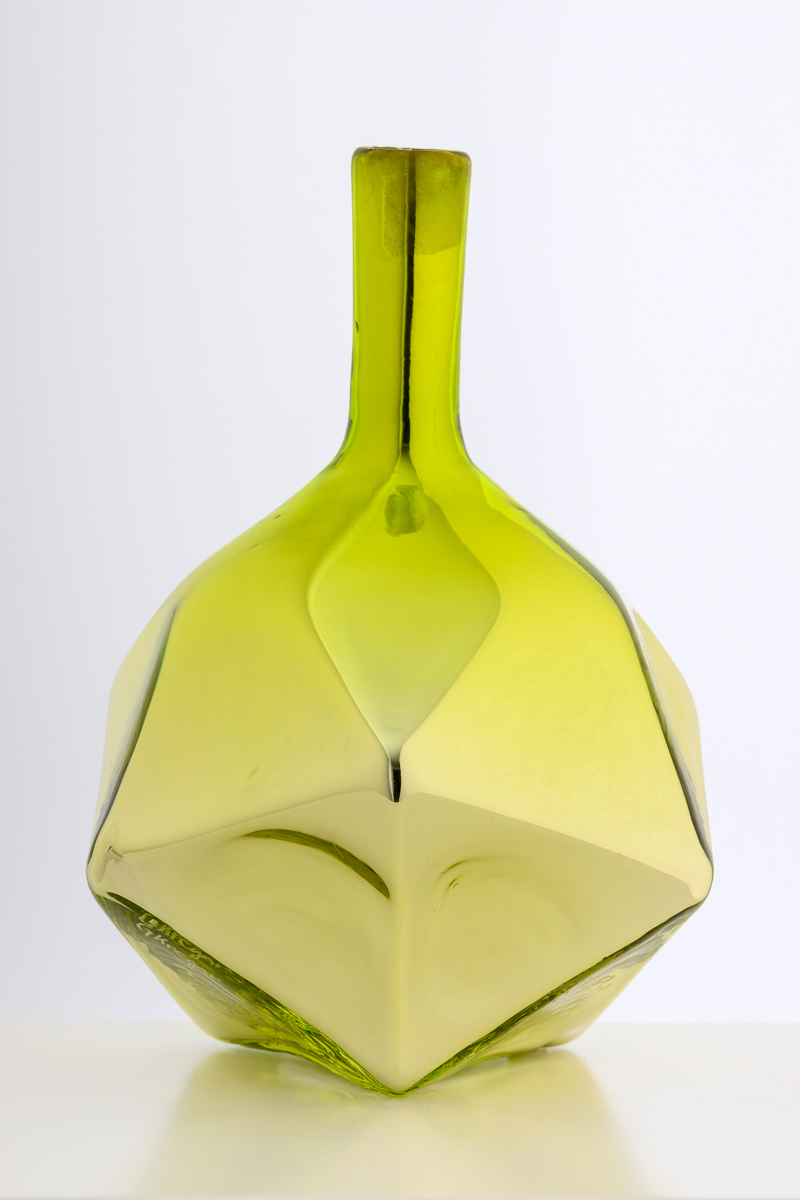
Mirrored vase small (2026), Hand blown glass, 255 x 180 x 180 mm, $2200